



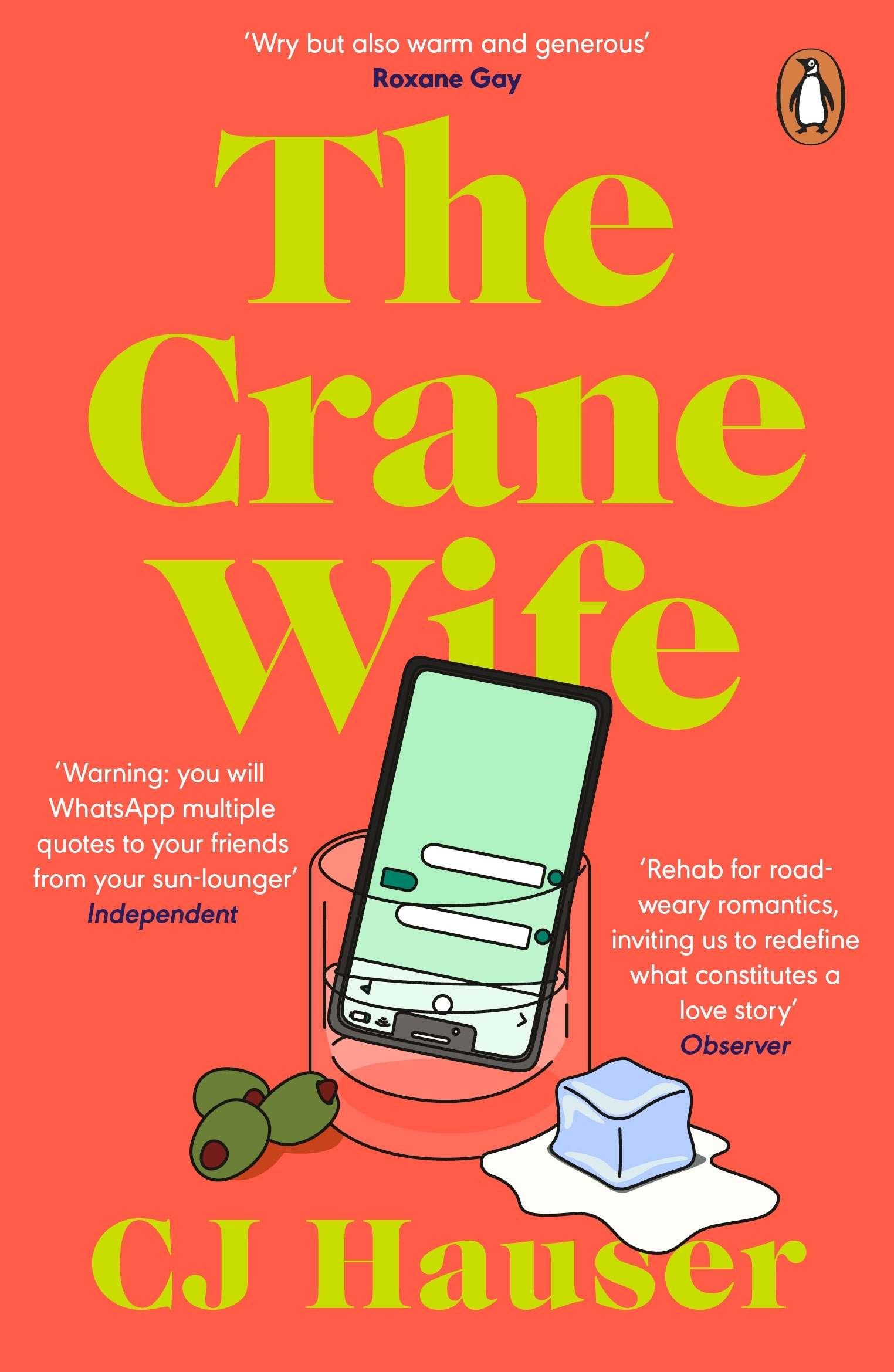
Some memoirs are relatively straight-forward. An author simply writes about a particular event or time in her/his life, just a snapshot for readers, rather than a whole autobiography.
And because a memoir, by definition, is written in the first person, the author can reveal as much, or as little, of their own character as desired.
In The Crane Wife‘s case, Hauser has chosen to produce a memoir written as a series of essays. Yes, she is a fairly central character in most of them; yes, they tell stories about her life, and particularly her loves; but refreshingly, these essays reveal a lot about Hauser, particularly what she sees as major personality flaws.
In the eponymous essay which features the Japanese folklore tale about the crane wife, who erases herself by plucking out her feathers every night so her husband does not realise she is a crane, Hauser reveals why she backed away from a marriage (and no reader could blame her!) but she saw her basic need to be reassured of her fiance’s love as a negative trait, and her forbearance of his infidelity as being ‘needy’.
Hauser writes honestly about Tinder dates; her first love; an almost obsessive interest in Katherine Hepburn’s character in The Philadelphia Story, as well as relating to the second Mrs de Winter in Rebecca; her bisexuality; and in a penultimate essay, a visit to a fertility clinic with a friend, combined with a half-expressed wish to have her double-D tits (her word, as ‘breasts’ does not work for her) reduced.
As for love, she concludes with the knowledge that her father’s love for her is the best one can hope for. It’s a book worth re-reading for its frankness and intimacy, and she even provides an annotated chapter list, with content warnings for sensitive readers.
Reviewed by Jennifer Somerville



0 Comments