



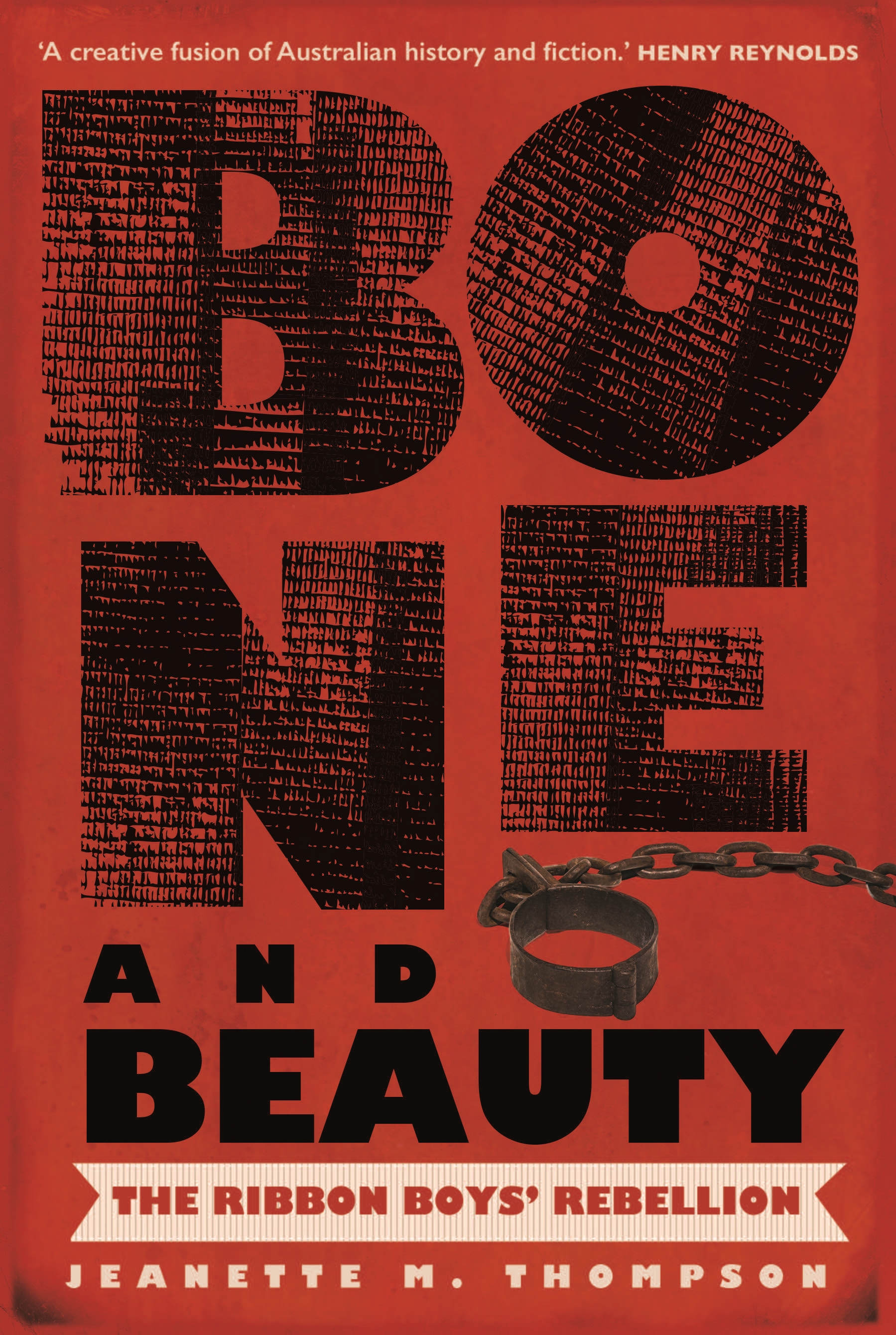
Ned Kelly, in his Jerilderie letter of 1879, referred to the convicts who were his fellow Irishmen as ‘all of true blood, bone and beauty … true to the Shamrock and a credit to Paddy’s land’. Thompson, who has used that quote as this book’s preface, has researched much of Australia’s colonial history. She maintains that when the beauty of heart and mind dissolve, only the bones of recorded fact remain.
Those bones, in this book that she terms ‘creative non-fiction’, are the recorded details of the convict uprising at Bathurst in 1830, and she has built on those to provide an account that is almost overwhelming in its detail, whether fact or fiction.
In that year, a group of Irish convicts, all working on properties around Bathurst, were inflamed by the death of their Irish rebel hero, Jack Donohue, at the hands of mounted police, to liberate 80 government servants from the surrounding farms. At the end of their first day of freedom, they had murdered an overseer, liberated an army of men and stolen the horses of the mounted police.
As the group moved around the district, losing deserters and informers along the way, they amassed arms, food and horses with the aim of travelling further out from the settled areas. Central to the story is one of the rebel leaders, Englishman Ralph Entwistle, transported to New South Wales and sent to work on a farm near Bathurst. Like most of those convict farm workers, he was treated badly, and did not have enough to eat.
That it would all end badly was fairly obvious, but the Ribbon Boys, as they called themselves, being younger than the rebel Ribbonmen of Ireland, had some fine old adventures on the way. It’s a ripping read.
Reviewed by Jennifer Somerville


0 Comments