


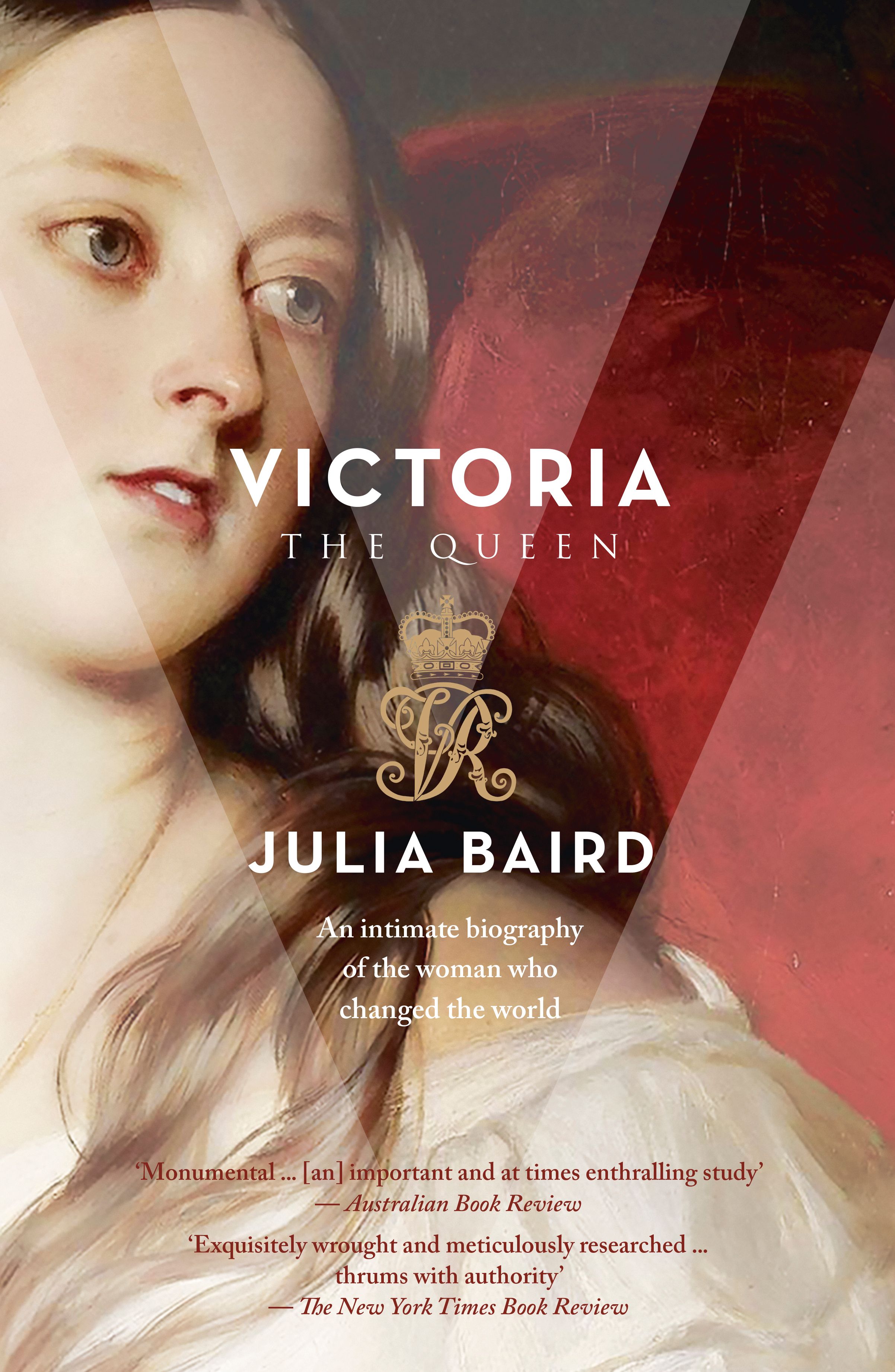
Biographies of constitutional monarchs can be tricky things. The fact is that these guys don’t get to do much. The last English monarch to have much of a real say in politics was probably Charles II. His brother got the heave-ho for daring to produce a viable (Catholic) heir and since then no-one (other than the propounders of Brexit) has ever challenged the supremacy of parliament. The Australian governor-general indeed has more power, at least on paper, than a British monarch, who is limited to advising and warning. So the question is, why bother with a biography of someone whose main claim to fame is their ancestry?
In Victoria, Julia Baird manages to come up with a satisfactory answer to this question. Back in the 1960s and ’70s, ‘we are not amused’ was shorthand for both Victoria’s and the Victorian era’s stuffiness, but Baird (following in the footsteps of most modern scholarship on Victoria) finds her to be libidinous and passionate, honest and intelligent and, perhaps most surprising, free of racial and class prejudice.
But what Baird most admires about her subject is her ability as a woman to control her own destiny in an age when women had few legal rights and no political status. She fought these battles with her mother and her mother’s creepy adviser, John Conroy, with her beloved husband, Albert, and with a series of British prime ministers, including men of the calibre of Disraeli (whom she liked) and Gladstone (whom she couldn’t bear).
Inevitably, there is the usual stuff about John Brown and Victoria’s reprobate sons as well as some of her egregious royal rellies such as Leopold II of Belgium, who presided over the deaths of millions in the Congo.
But Baird is also clearly fascinated by Victoria’s relationship with Albert and gives this intellectual, repressed and well-intentioned man a better review than he often gets. This is a good read and Baird has managed to find a fresh angle from which to appraise Britain’s second-longest reigning monarch.
0 Comments