



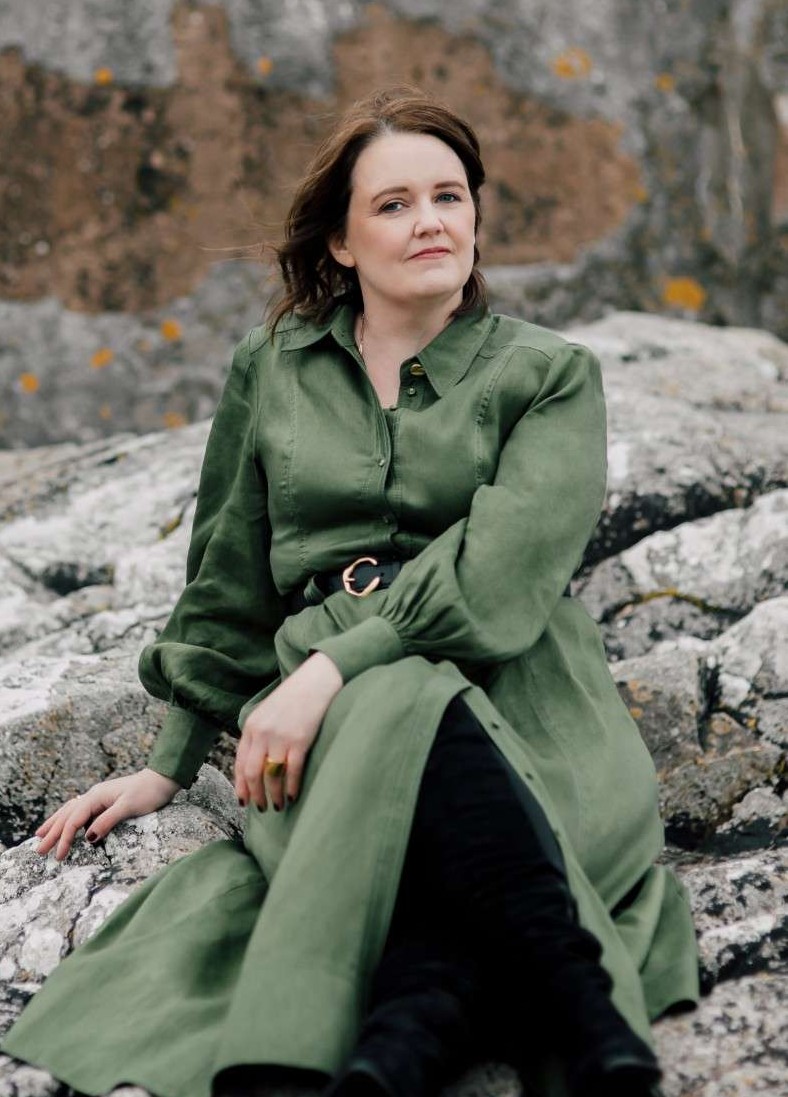
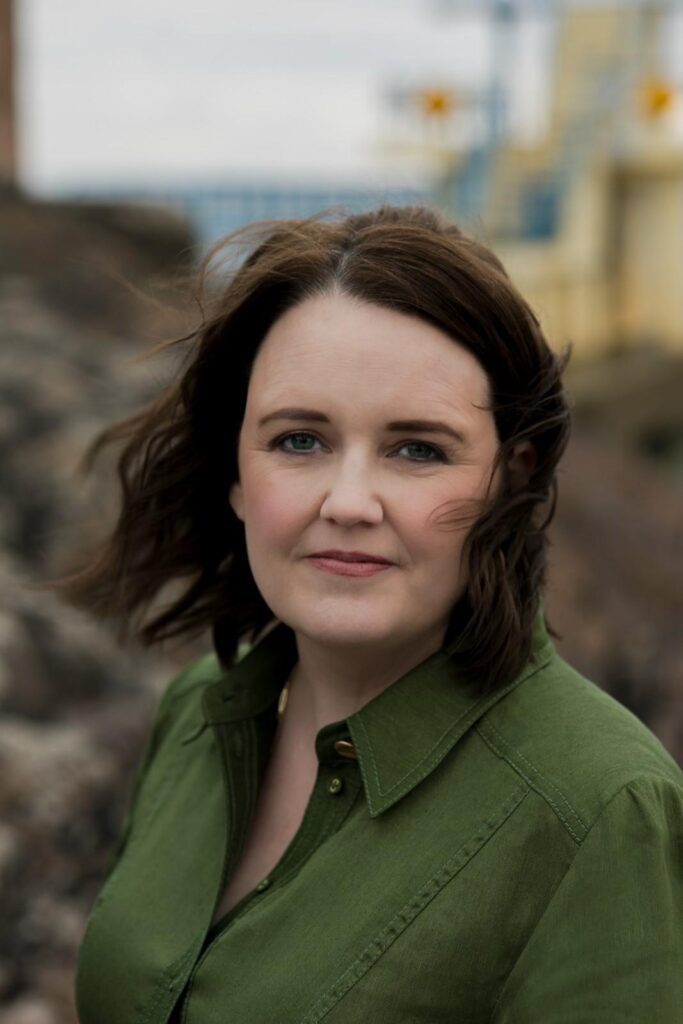
Bestselling author DERVLA McTIERNAN tells ROWENA MORCOM that it was a haunting Melbourne image that inspired Three Reasons for Revenge, a tense, psychological thriller exploring justice, power, and meticulously planned revenge.
MEET DERVLA MCTIERNAN
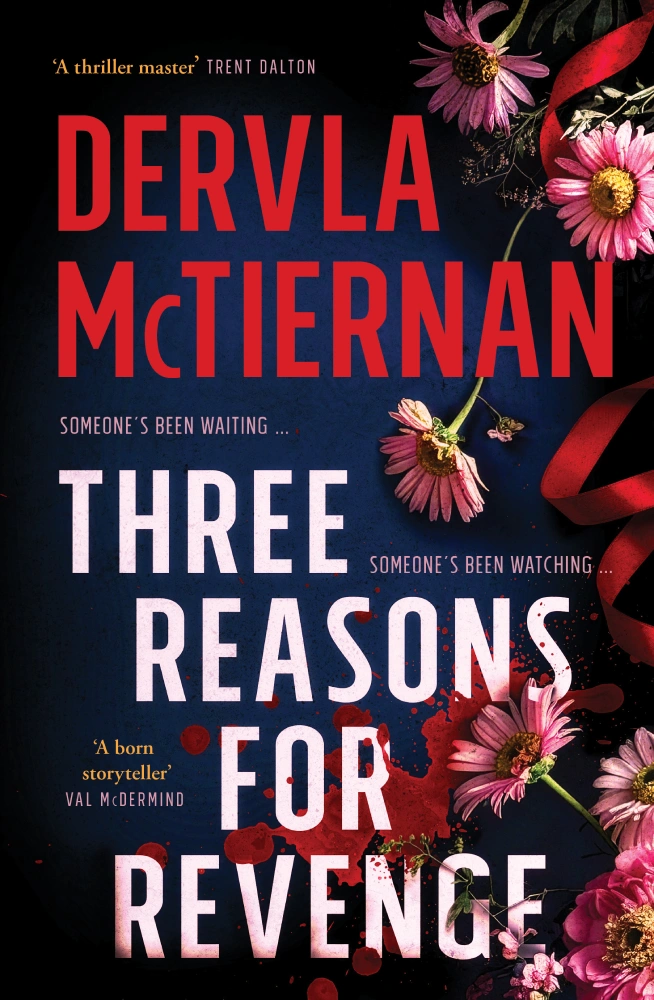
It was an image that sparked the idea for Dervla McTiernan’s latest book, Three Reasons for Revenge.
‘It’s a motorbike courier moving through the streets of Melbourne in the very early morning, before the city has properly woken up, the light still grey and foggy’, she tells me. ‘The courier is carrying three parcels, and they’re quietly and methodically delivering them to three very different homes across the city. I knew, in that first flash of the idea, that inside each parcel was something that had been carefully designed to destroy the person who received it. Tailored destruction.’
Dervla McTiernan is best known for her ‘Cormac Reilly’ series which includes The Ruin, The Scholar, The Good Turn and The Unquiet Grave, all bestsellers. Three Reasons for Revenge is her third stand-alone thriller. The synopsis is intriguing.
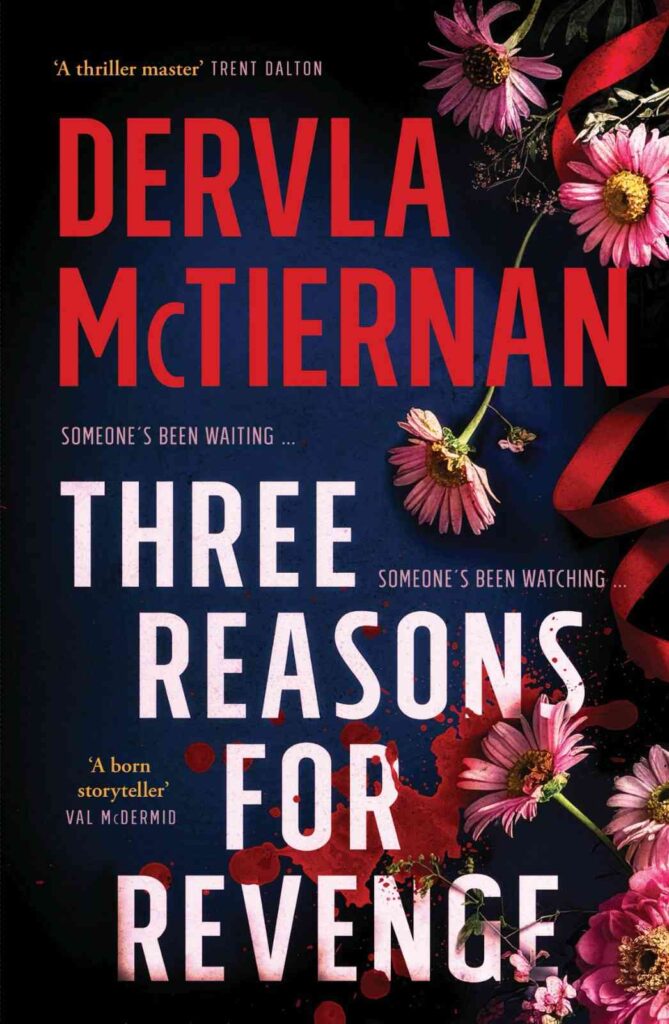 Three gifts. Three victims. One deadly game. Alexis Turner walks into the police station to report an assault. By the end of the day, she is nowhere to be found.
Soon after, three identical packages arrive at a respected psychologist’s home, a socialite’s mansion, and a struggling single father’s run-down apartment. Each gift is perfectly tailored to its recipient – and each will tear apart their life.
Detective Sergeant Judith Lee is smart and experienced, but this is no ordinary case. Someone with intimate knowledge of their targets is orchestrating these attacks. She’s convinced it connects back to Alexis Turner.
As she races to uncover the link between three seemingly unrelated people, Judith realises she’s no longer just investigating the game – she’s being forced to play.
A central theme to the book is being part of the game – the novel isn’t just about solving a crime – it’s about characters being manipulated into a carefully constructed psychological contest. Was there a real-world case or theme that inspired this premise?
 ‘There wasn’t a specific real-world case. When I look back at where this book came from, I think it was a slow accumulation of ideas – books I’ve read, films I’ve seen, articles I’ve come across over years – all colliding together in the back of my mind until something sparked. If I’m being honest, I suspect the idea of a box containing something terrible probably has its roots in Seven. Any gen Xer who saw that film almost certainly has that final scene permanently etched into their memory. Brad Pitt. The box. You know the one. Some images stay with you for 30 years and eventually find their way into your work whether you intend them to or not.’
Dervla tells me she does her writing in her office, upstairs in their house, tucked into the eaves, so the ceiling is a bit crooked.
‘There’s a small window set quite high in the wall that I can’t actually see out of. Books everywhere, of course. Various inks for my pen. The old notebooks from previous books are all crammed into a cupboard beside me, which I find oddly comforting, like they’re still nearby. I’ve never been the kind of writer who overhauls the space from book to book. No Pinterest mood boards, no carefully curated objects chosen for each new story. Though I do think that sounds like a lovely idea, and I keep telling myself I’ll try it some day.’
Dervla is interested in the ‘big moral questions’. Her work as a lawyer in Ireland obviously comes into play – justice, power, and responsibility, but she’s also interested in the ‘gap between what’s legal and what’s right, and in the ways systems can fail people without anyone technically breaking the rules.’ As she has lived in both Ireland and Australia with different cultural landscapes, I asked if that had an influence on her writing voice or the stories she chooses to tell.
‘It’s a genuinely hard question to answer about yourself, I think. What I know for certain is that my Irishness is woven into everything I do, whether I’m conscious of it or not. But I’ve also lived in Australia for 14 years now. I’ve had the experience of arriving somewhere foreign to me, of raising children in a culture that wasn’t the one I grew up in, and of slowly, over time, falling in love with that culture and that country. All of that is part of who I am now too. And I draw on myself when I write – my experiences, my feelings about the world, the things I find myself caring about.
 I don’t make conscious choices about it. It’s more that I write about what matters to me, and what matters to me comes from the life I’ve lived. Both lives, as it turns out.’
Dervla has found enormous success with her books, both locally and internationally. Over one million copies sold and What Happened to Nina? is currently in development to be adapted for screen. I asked her, as she looks back at her writing career, what piece of advice would she give the Dervla who was just beginning to write her first book?
‘Worry less. Enjoy the journey more. I am, by nature, a worrier, and a writing career, no matter how fortunate you’ve been, is not something you can ever take entirely for granted. There’s always something to be anxious about if you go looking for it. And I’ve been so fortunate. There have been moments in this career that I still can’t quite believe were real. So, I think I’d tell myself to slow down a little. To stop and notice how extraordinary it all is, while it’s happening.
MORE QUESTIONS FOR DERVLA
Have your writing routines or habits changed since you first started writing?
Yes and no. When I started, my children were four and six, and I was still working about thirty hours a week. I’d work in the mornings, spend the afternoons with the kids, and write every evening from eight until ten. That was it. Two hours a night, and I wrote the first two books that way. After that I became a full-time writer, which sounds like it should mean more writing time – and sometimes it does – but a career, as it grows, generates its own demands. Emails, events, promotional work, all the things that are part of being a published author. The closer you get to a publication date, the less time you seem to have. What hasn’t changed, though, is the actual nature of the work. I still believe, as I believed at the beginning, that writing is rewriting. That there are no shortcuts. That you have to find the story through the writing of it, and that means overwriting, and scrapping large sections, and being fairly ruthless with yourself. If anything, I’ve just made peace with that reality. The habit is the same. The acceptance has deepened.
Have you been tempted to write a book outside of your usual genre?
I’d love to write a middle grade novel someday. I have a couple of ideas that I genuinely love, and I’ve been turning them over for about two years now. But there’s always another crime novel I want to write first, and those keep taking precedence. Whether I’ll ever get there, I honestly don’t know. I hope so. Watch this space.
After just publishing the most recent book in the series last year, how do you divorce yourself from the characters in your series to write a standalone? Don’t the characters from intrude at all?
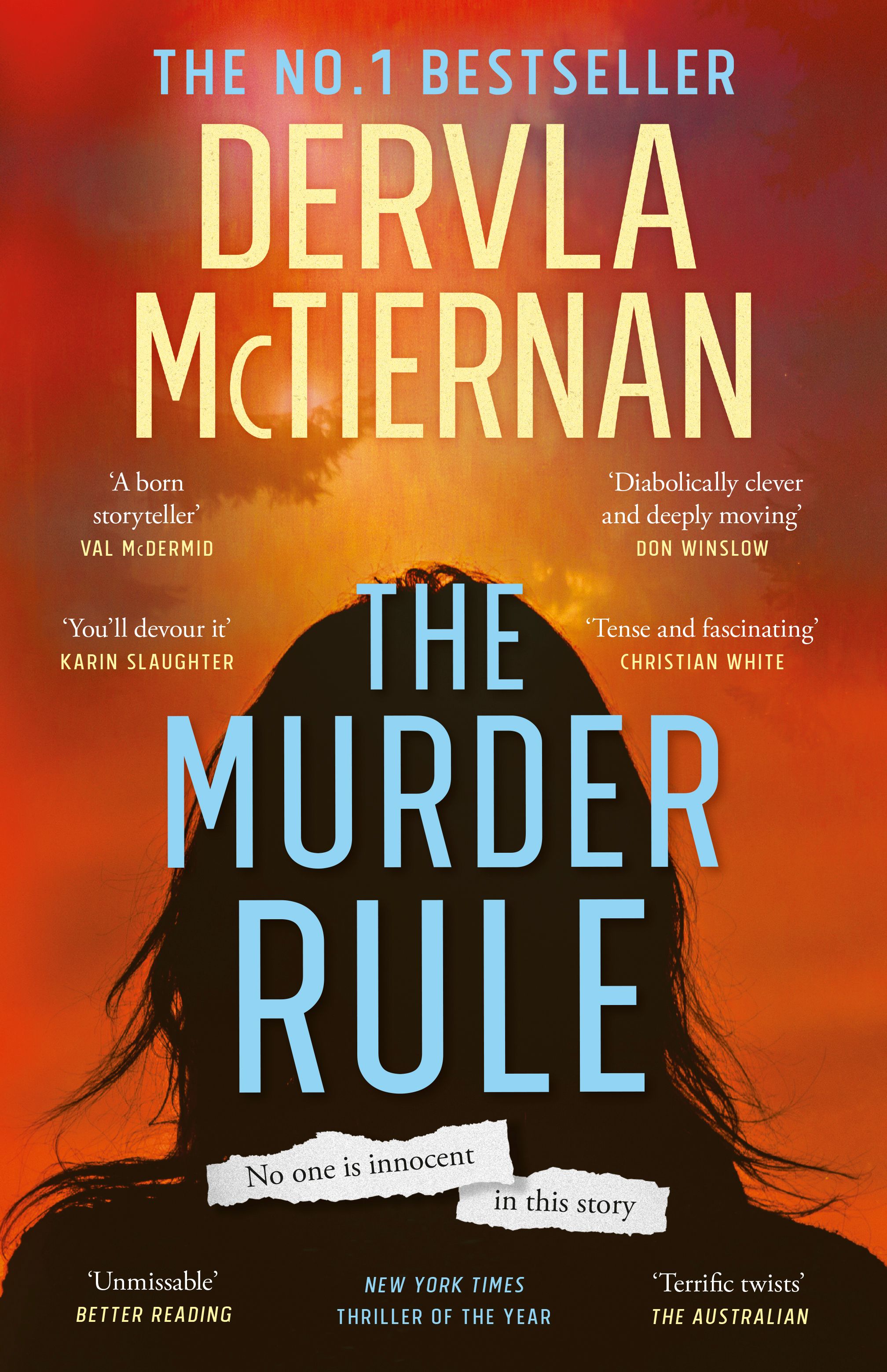 ‘Honestly, they don’t. I think that’s because when I’m writing a novel, that book becomes completely all-consuming. It’s the only story I’m living in. The characters feel real to me in a very immediate way, and my mind doesn’t tend to stray back to the people from previous books. If anything, I’m occasionally distracted by whatever I’m going to write next. But books I’ve already written feel finished, in a way. They’ve been sent out into the world and they belong to readers now. The new characters get my full attention.’
‘Sometimes a character arrives almost fully formed that happened with one of the characters in What Happened to Nina, but more often they begin as what I’d describe as a smudge of an idea, and the detail fills in slowly over time. The central character in Three Reasons for Revenge is Judith Lee, a woman in her 40s, a tough and deeply experienced detective. When I started writing, I knew the outline of her, but not the texture. The nuances of who she really was, where she’d come from, what had shaped her, all of that became clearer the further I got into the story. I think that’s my favourite part of the process, actually. That slow coming-into-focus.
Do you build detailed backstories of your characters before writing, or discover them as the story unfolds?
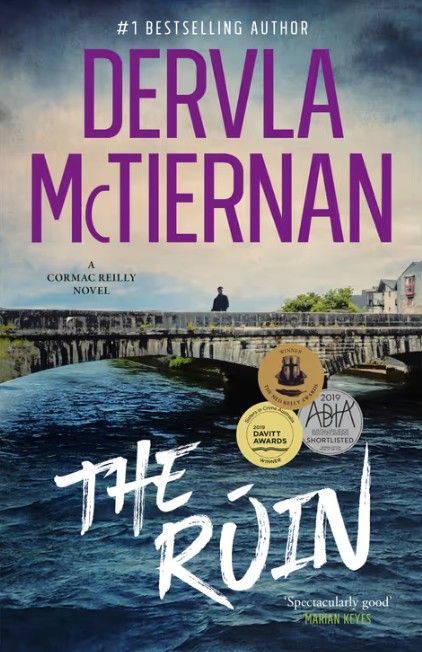 Both, in truth – and sometimes the detailed backstory I’ve carefully built turns out to be completely wrong, which is fun! I always start by hand, in a notebook, long before I go near the computer. I’ll write in a stream-of-consciousness way about who this person is – their family, their history, their friends, whether they have enemies, what they’re afraid of, what they want. Everything and anything that might make them a little more real to me. And I’m often genuinely surprised in that process. New ideas arrive that I wasn’t expecting, and those are usually the best ones. The notebook is really where I find the story, as much as the characters.
When you are plotting a new book, what does your planning process look like?
It starts, as everything does for me, with a hardback notebook and my pen. I’ll write for days, sometimes weeks, mostly in that stream-of-consciousness way, finding the story, working out who the characters are, trying to understand how all the pieces fit together. By the time I actually begin writing the book, I do need some kind of outline, but it doesn’t have to be exhaustive. I just need to know enough to get started. Then I write around thirty thousand words by which point I feel I’ve really found the characters and understood what the book wants to be. At that point, I’ll typically scrap most of what I’ve written, draw up a much more detailed outline, and start again properly. It sounds chaotic from the outside. From the inside, it’s the only way I know how to do it.
ABOUT THE AUTHOR
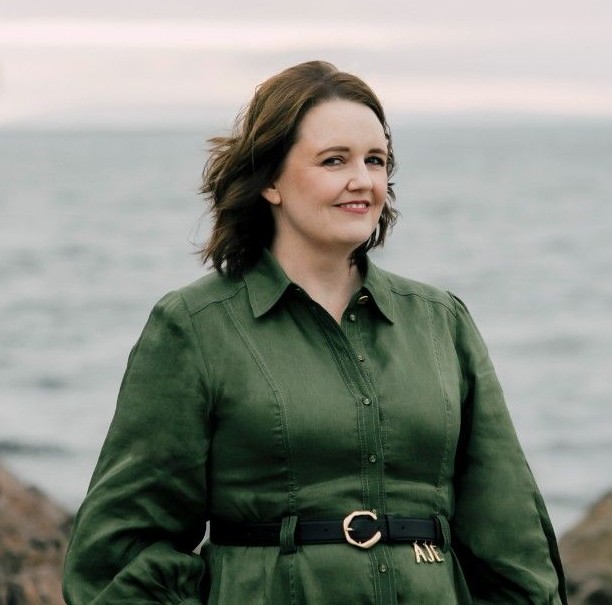 Number one internationally bestselling author Dervla McTiernan is the critically acclaimed and award-winning author of six novels, including the much-loved ‘Cormac Reilly’ series and two number one bestselling standalone thrillers, The Murder Rule and What Happened to Nina?, both New York Times Best Thrillers of the Year and both currently in development for screen adaptation. Dervla is also the author of four novellas, and her audio novella, The Sisters, was a four-week number one bestseller in the United States. Before turning her hand to writing, Dervla spent twelve years working as a lawyer in her home country of Ireland. Following the global financial crisis, she relocated to Western Australia where she now lives with her husband, two children and too many pets.
Visit Dervla McTiernan’s website here.
Follow Dervla McTiernan on Instagram here.
Read more on the Harper Collins website here.


0 Comments