




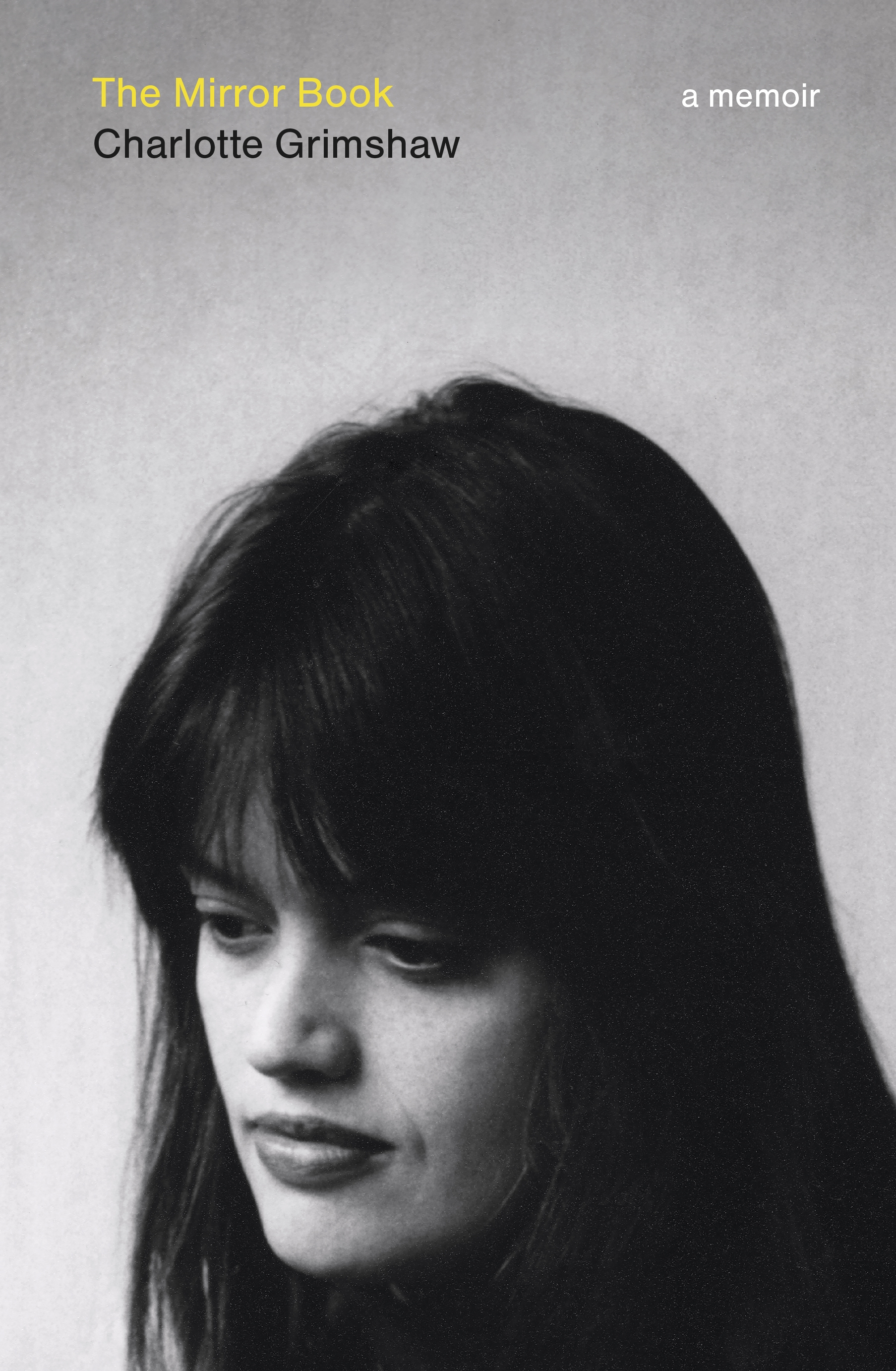
At the heart of the better memoirs – and this is one of the best – is a search for answers. Grimshaw’s quest is centred around her family. There is a disconnect between the memories held by different family members: why is that and why can’t it be resolved?
Charlotte Grimshaw was born into a literary family. Her father is the poet and author, CK (Karl) Stead. Karl and wife, Kay, present a formidable, united front. Charlotte is the middle child, between older brother, Oliver, and younger sister, Margaret. The Steads followed Karl as he pursued his writing and teaching career from their native Auckland home to France and England. When asked about his family life, he described it as full of ‘endless jokes, songs and a minimum of piety’. That’s not how Charlotte remembers it.
She remembers Karl as being a frequently absent, authoritarian figure with arbitrary rules for the children (oddly often regarding food), all unfailingly backed by Kay. Events – good or catastrophic – were to be handled in writerly fashion: ‘It’s material. Go and write a story about it.’ This instruction eventually launched Grimshaw’s own (very successful) literary career, but also became a point of contention. (Who owns this ‘material’?)
Grimshaw’s teenage life teetered between wandering the streets at night and excelling at school. She recalls Kay’s reactions as observational, rather than maternal. Kay’s only attempts at intervention were to suggest that Charlotte should rebel at school.
This memoir includes insights into how her memories have shaped her writing, replete with pertinent examples. Some of Karl’s writing is included as well, along with generous analysis. Grimshaw’s writing is inquisitive, introspective and incisive. The result is a beautifully realised memoir.
Reviewed by Bob Moore



0 Comments