




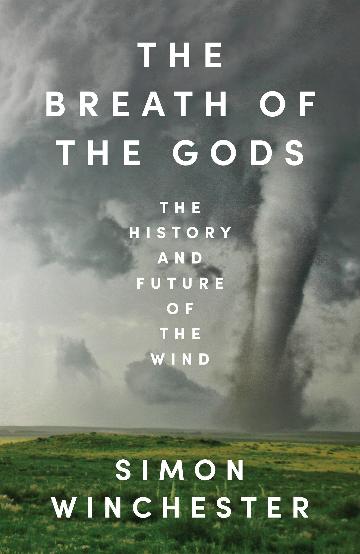
The wind is ‘invisible and inexplicable’ and is represented more by its impact and effects. Winchester asks: ‘Just what is the wind, and why on earth does it blow?’ The diversity and scope of the intriguing wind-related stories from around the world are entertaining and enjoyable, a delightful fresh breeze.
I enjoyed the blend of everyday, tangible and historical stories mixed with the more profound, conceptual and ageless mystery of air in motion. Winds know no political boundaries.
The content, rhythm and tone of this book changes (like the wind). The short sub-chapters regularly switch pace, tone and focus. The reader travels swiftly from Mesopotamian moving air, tumbleweeds, kites and musical oboes to the time when Krakatoa erupted and Edvard Munch painted The Scream. Greek wind gods, airfoils and aviation disasters, singing sand, Chernobyl and 1974’s Cyclone Tracy. There are poems about wind and regular references of its impact on literature. (Frankenstein, Wuthering Heights and the tornado from The Wonderful Wizard of Oz.) Storms and other wild weather around the world are getting worse. But it’s not always about frightening winds and destruction; there’s an unsettling phenomenon called ‘stilling’, which is a complete lack of wind.
The Breath of the Gods includes dozens of photos and a glossary featuring hundreds of names and descriptions of different winds: Arashi, Santa Ana and Sirocco to Willy-willy and Zephyr.
This is an enlightening and satisfying read.
Book review by Mark Parry
 ABOUT THE AUTHOR
 ABOUT THE AUTHOR
Simon Winchester is the New York Times best-selling author of The Professor and the Madman. His recent titles include The Perfectionists and Land. Winchester was awarded an Order of the British Empire (OBE) for his services to journalism and literature.
He lives in Massachusetts and New York City.
Visit Simon Winchester’s website



0 Comments