


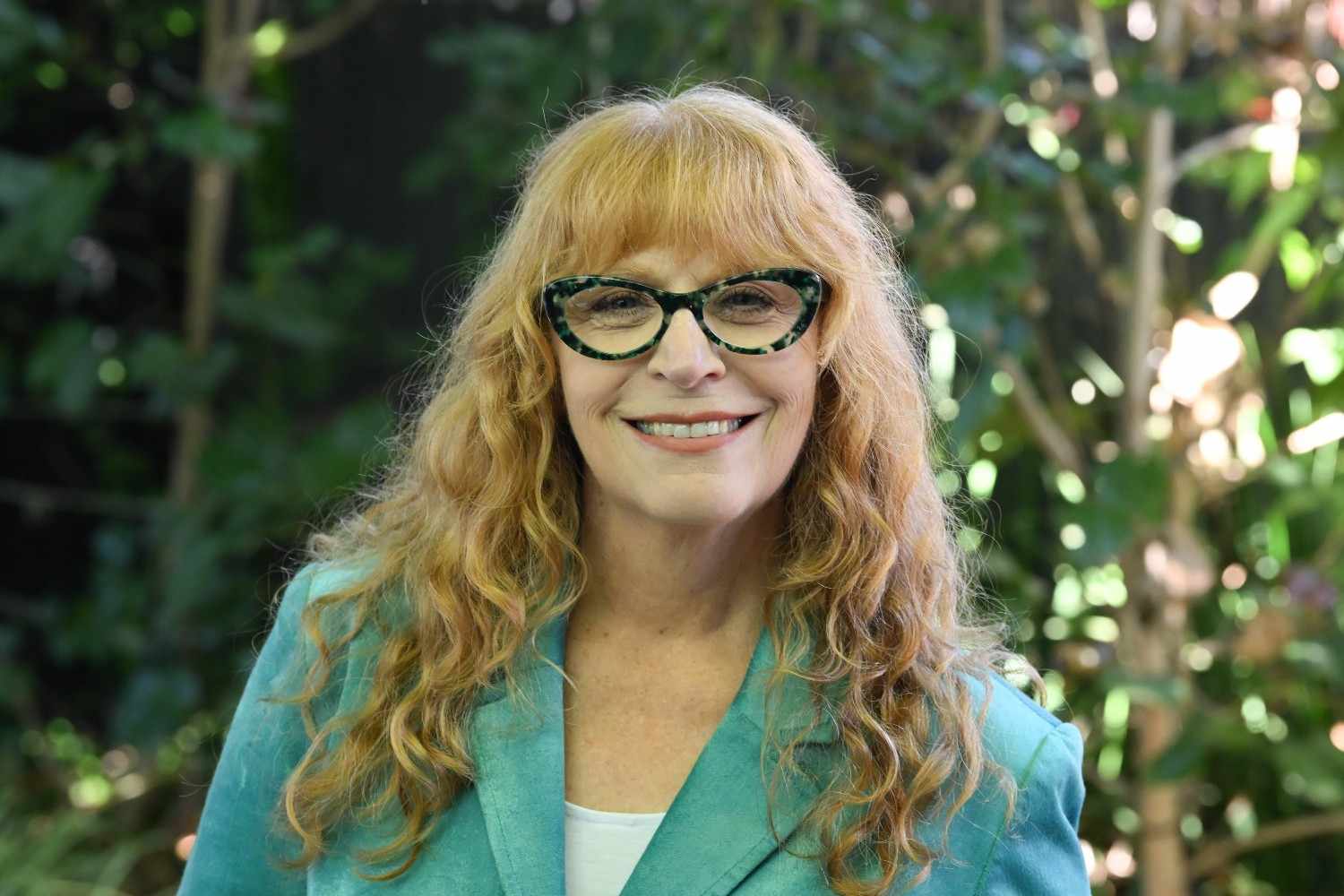
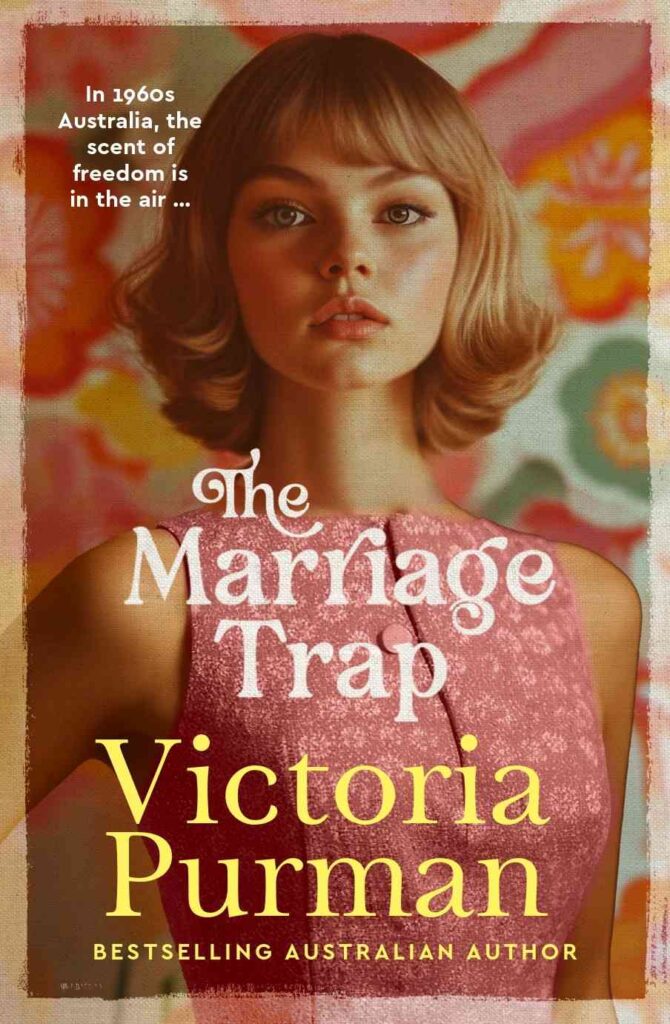
VICTORIA PURMAN’s new book, The Marriage Trap takes a look at the 1960s, and the effects of the pill, rebellion and new ideas on ordinary Australian women. We asked Victoria to share five surprising things about herself.
MEET VICTORIA PURMAN
1. I’m a terrible writing procrastinator. I’ve been published for coming up on 13 years and my process hasn’t changed in all that time, despite my best efforts and not-so-subtle nudges from my publisher. I’m very easily distracted from the book I’m working on. I put it down to my first career as a radio and television journalist. Because everything in that profession happens so quickly and up to the minute, I think my creative process has been trained that way. Even if I love the idea of the book I’m writing, I have no trouble finding a million other things to do instead, which include, in no particular order: playing with my Golden Retriever Maisie; reading other people’s books; heading to my office/sewing/craft room to do something else that’s creative; or op-shopping. Which takes me to number two.
 2. I’m a dedicated op-shopper. There is nothing more addictive that finding a bargain at the op shop, whether it be a vintage designer jacket or handbag or pair of shoes; the out-of-print book you’ve been searching for; the vintage tablecloth which will make a brilliant upcycled shirt; or that vintage piece of china made in Japan in the immediate post-war period. Yes, I’m addicted to them all. Which takes me to number three.
3. In 2025, I didn’t buy one brand-new piece of clothing or pair of shoes. Being a dedicated op-shopper, every time I visit a store, I see for myself just how much clothing we consume. As my little one-woman protest against this over-consumption (and waste), I decided to stop buying new things. Instead, I thrifted the entire year (full disclosure: when I was in Perth last September giving a library workshop, I walked to the venue and created a blister, so I had to replace the shoes pronto). Which takes me to number four.
4. I upcycle second-hand clothes and textiles. My latest creation is a shirt fashioned from a donated hand-embroidered tablecloth. The craft in the stitching is so exquisite and detailed and the shirt has turned out better than I imagined. Past generations of women were so talented in crafts like embroidery, knitting, crocheting and sewing and I can’t bear to see their creations languishing unloved and unforgotten. I have a pile of homemade quilts, tablecloths and really old-fashioned things like duchess sets for dressing tables and embroidered doilies that I pounce on when I find them in op shops or online for sale or donation. I’ve made shopping bags and little purses decorated with upcycled embroidery. I’ve embroidered onto op-shopped jeans, and I’ve redesigned dresses into skirts and crocheted blankets into warm winter vests. Which takes me to number five.
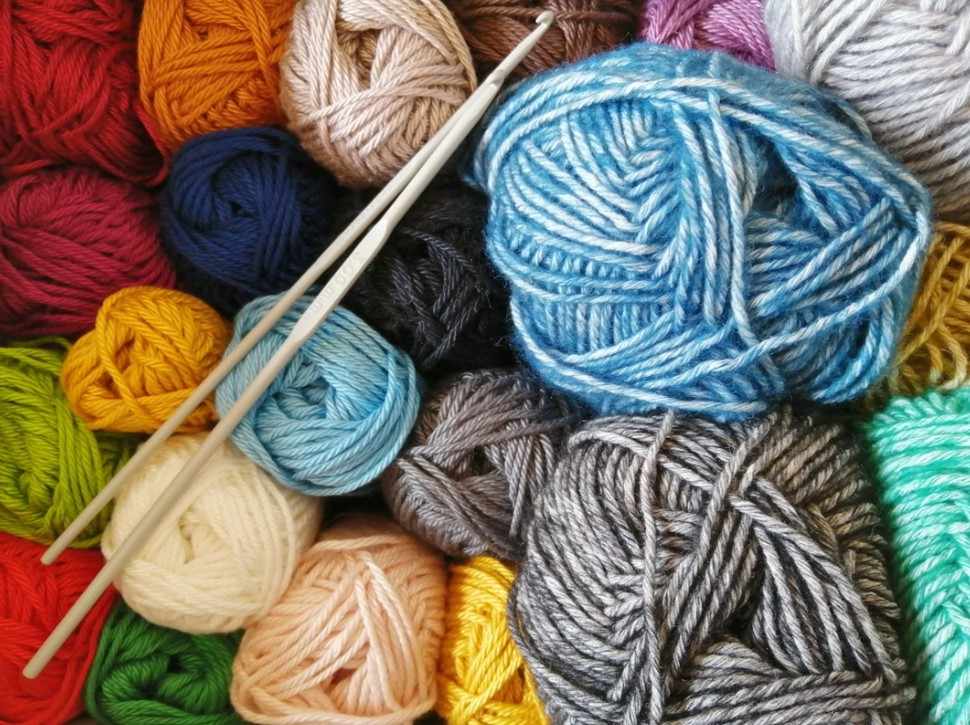 5. I am determined to be a better knitter. Despite my mother’s best efforts, I’m a pretty rubbish knitter. I mean, how many scarves can a girl make? When I admitted this on my social media, one of my fabulous readers sent me a pattern for fingerless gloves which she assures me are a good place to start. So that’s my challenge when I’m finished writing my book that is due for release in 2027. Which takes me back to number one …
ABOUT VICTORIA PURMAN
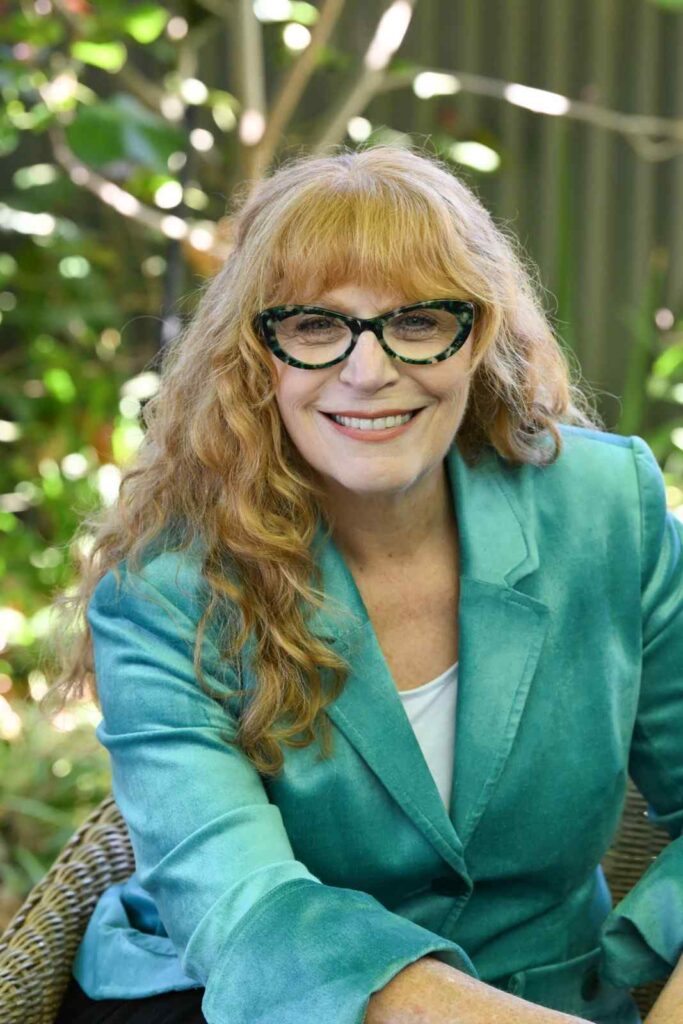 Victoria Purman is an Australian top ten and USA Today bestselling fiction author. Her last book The Radio Hour was an Australian bestseller, as were her previous novels. Her earlier novel The Three Miss Allens was a USA Today bestseller. She is a regular guest at writers festivals, a mentor and workshop presenter and has been a judge in the fiction category for the Adelaide Festival Awards for Literature and the 2022 ASA/HQ Commercial Fiction Prize.
Visit Victoria Purman’s website here
Follow Victoria Purman on Instagram here
Read more on the Harper Collins website here
(4/5)
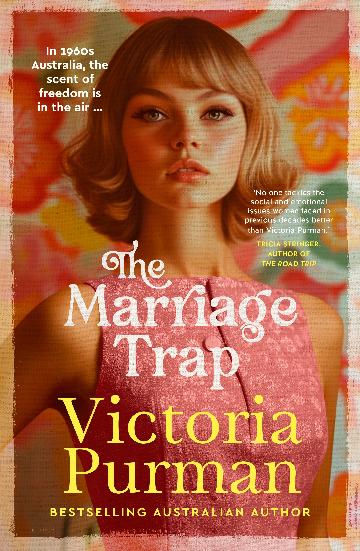
The Marriage Trap is a historical fiction novel set in the 1960s in Adelaide, Australia, centering on the Langley family and the shifting expectations placed on women during a decade of social upheaval. The story explores puberty, sex, marriage, gender roles, the influence of the Catholic church, and the arrival of the contraceptive pill – an innovation that challenged entrenched cultural, medical, and religious expectations
The novel follows three generations of women – particularly Cathy and her younger sister Evelyn – as they confront the realities of womanhood in a restrictive era. Cathy resists the expectation that marriage will define her life, while broader societal forces (family, community, church, and medical authority) push back against female autonomy
The 1960s setting isn’t just background – it shapes every decision the characters make. The tension between tradition and change feels authentic and immediate, as do the impact of historical events such as the assassination of President Kennedy, The Beatles’ trip to Australia, the introduction of decimal currency, and more
The Marriage Trap is a thoughtful, emotionally engaging novel that blends personal stories with broader historical change. While it may not reinvent the genre, its Australian setting and focus on reproductive freedom give it a distinct and meaningful edge.
The novel tackles serious issues – gender inequality, reproductive rights, and societal pressure – with clarity, whilst highlighting “personal and moving insights” into the limited roles available to women at the time
By showing different ages and viewpoints within one family, the story highlights how attitudes evolve (or resist change). This layered approach adds emotional depth.
At its core, the book is about choice, or the lack of it, and how even small acts of resistance can have lasting consequences
In my opinion, stories about women’s liberation in the 1960s are common. Readers of similar novels (e.g. Lessons in Chemistry) may find some of the themes predictable, but I did enjoy this book.