




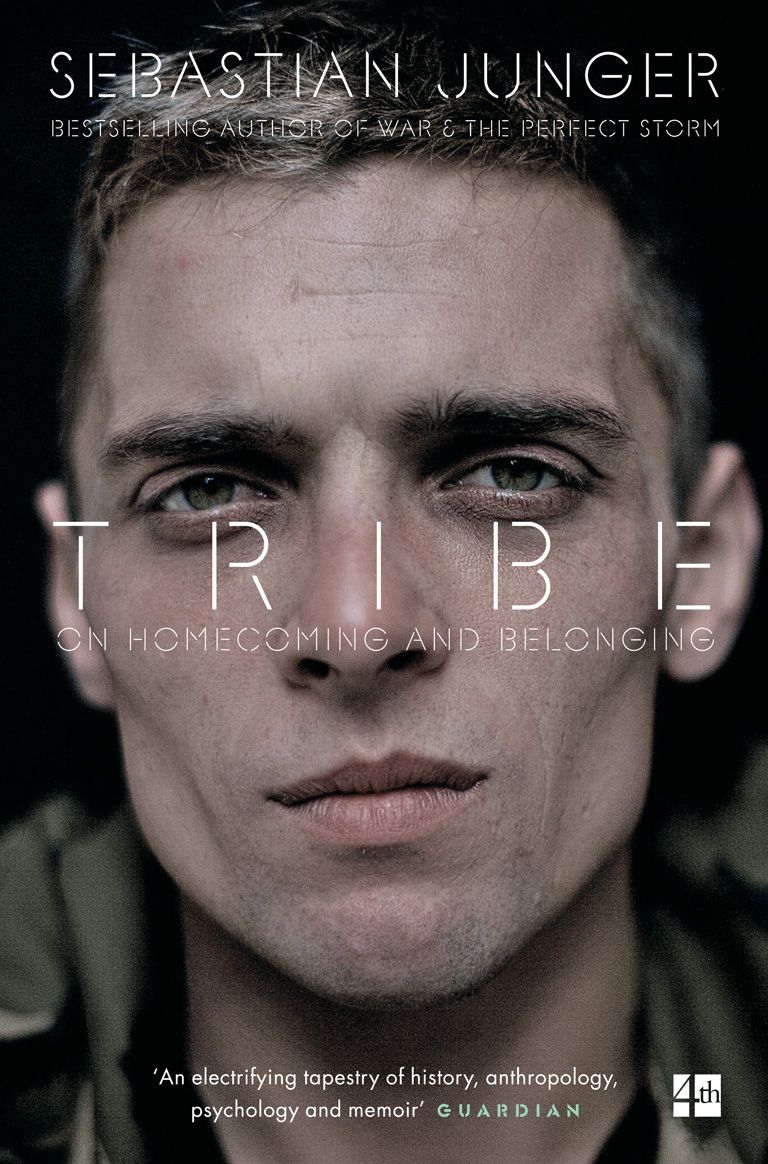
This provocative book from Sebastian Junger, a prize-winning author, war journalist and documentary filmmaker, tackles the issue of post-war life for American war veterans.
It explores a component of PTSD experienced by veterans after they return home, namely the result of their separation from their military community after they reintegrate into civilian life. Junger also examines how each case of PTSD is experienced differently, depending on the veteran’s pre-war life. He follows this observation with a discussion of the erosion of community and solidarity in affluent societies. Junger also argues that the affluence of western societies leads to increased feelings of loneliness and isolation for post-war combat veterans.
The author points out that tribal societies are exemplars of loyalty and a sense of social belonging. He notes that there are documented cases of white Americans who have left their communities to join Native American tribes, yet there are relatively few instances of the reverse taking place.
Junger exalts the practices of tribal societies by focusing intently on the positive attributes of Native American culture, but he fails to adequately examine the less attractive aspects of tribal life, such as higher levels of disease, infant mortality and poverty. He investigates trauma and violence in everyday life – as opposed to that perpetrated in war – and he posits that by working to eradicate conflict in favour of peace, mainstream American society also diminishes community spirit. I, however, disagreed with his analysis that some people feel more comfortable in war than peace.
Reviewed by Amy Bennett-Simeon



0 Comments