


Wow! This memoir is not for the faint hearted. Readers familiar with Elizabeth Gilbert’s earlier works, Eat Pray Love and Big Magic, will know her as a writer who inspires and empowers through journeys of self-discovery. This book is very different. It’s the kind of memoir you may need to put down occasionally, just to catch your breath.
At 55, Gilbert is alone after the loss of her partner, Rayya Elias, to pancreatic cancer. Rayya was not just a lover – she was Gilbert’s obsession. Their bond began decades earlier, when Gilbert first met and was struck by the radiant halo of light she seemed to carry.
Bold, brash, funny, wise, and sober – Rayya was unlike anyone Gilbert had ever encountered. Though married at the time, they formed a deep friendship. Years later, when financial success allowed Gilbert a life of generosity, she offered Rayya a home after she became homeless. When Rayya received her terminal cancer diagnosis, they moved beyond friendship into a love affair.
Gilbert bravely confronts her destructive patterns of love and addiction, while Rayya abandons sobriety. Together they spiral, until Gilbert finds her way back to recovery.
All the Way to the River is Gilbert at her most vulnerable. She offers it in the hope that readers facing similar struggles will find solace, and a more nourishing way of life.
Reviewed by Sue Stanbridge
 ABOUT THE AUTHOR
 ABOUT THE AUTHOR
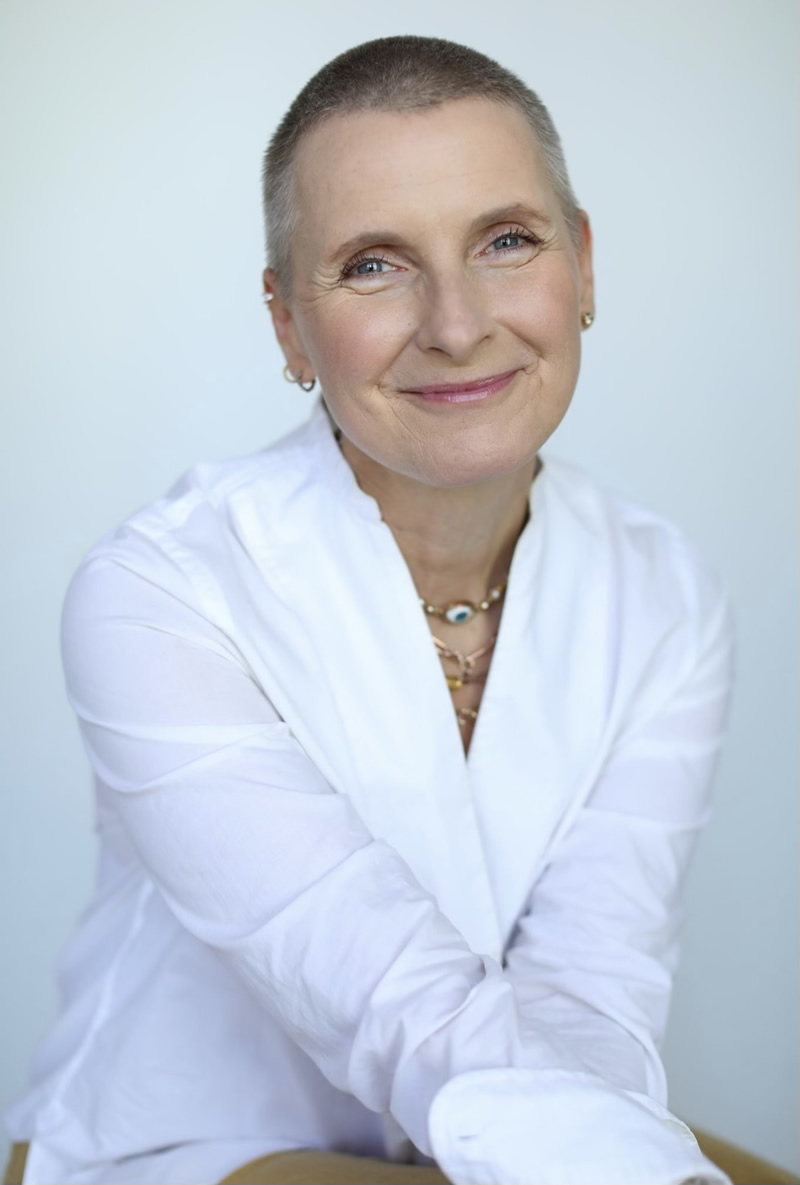
Born in Waterbury, Connecticut, Elizabeth grew up on a small family Christmas tree farm, then attended New York University, where she studied political science by day and worked on her short stories by night.
After college, she spent several years traveling around the country, working in bars, diners and ranches, collecting experiences to transform into fiction.
These explorations eventually formed the basis of her first book – a short story collection called PILGRIMS, which was a finalist for the PEN/Hemingway award, and which moved Annie Proulx to call her “a young writer of incandescent talent”.
During these early years in New York, she also worked as a journalist for such publications as Spin, GQ and The New York Times Magazine. She was a three-time finalist for The National Magazine Award, and an article she wrote in GQ about her experiences bartending on the Lower East Side eventually became the basis for the movie COYOTE UGLY.
In 2000, Elizabeth published her first novel, STERN MEN (a story of brutal territory wars between two remote fishing islands off the coast of Maine) which was a New York Times Notable Book. In 2002, Elizabeth published THE LAST AMERICAN MAN – the true story of the modern day woodsman Eustace Conway. This book, her first work of non-fiction, was a finalist for both the National Book Award and the National Book Critics Circle Award.
Elizabeth is best known, however for her 2006 memoir EAT PRAY LOVE, which chronicled her journey alone around the world, looking for solace after a difficult divorce. The book was an international bestseller, translated into over thirty languages, with over 12 million copies sold worldwide. In 2010, EAT PRAY LOVE was made into a film starring Julia Roberts. The book became so popular that Time Magazine named Elizabeth as one of the 100 most influential people in the world.

0 Comments