


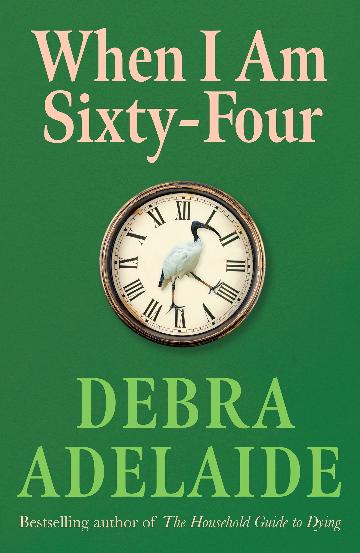
When an author such as Adelaide writes that her latest small gem of a book is ‘autofiction’, one scrambles for a definition of that word, even while realising that the work is a paean of love and friendship for a late fellow writer.
That Beatles song, used in the title, had a special significance for Carey, who at the end of her life was deeply depressed and believed she was fated to end her life at 64, as had her late father. Adelaide’s work of autobiographical fiction combines facts from her own life, Carey’s life and some fiction, but it is a seamless presentation for the reader.
Dedicating When I Am Sixty-Four to ‘her dear friend Gab’, and noting that it is based on her real friendship with Gabrielle Carey, Adelaide reveals details of that friendship, starting at primary school, despite widely differing households and family attitudes.
Carey gained early prominence as a writer while still a teenager when she and fellow teen, Kathy Lette, wrote Puberty Blues.
It was when she and Adelaide were young mothers that they re-connected and they shared career paths as academics as well as writers.
So while the story ostensibly is about how Carey lived the last months of her life, it delves deeper, with Adelaide confessing to continual ‘imposter syndrome’, despite her own successes. She never considered her conservative family background as interesting as that of Carey’s.
Her finely-drawn account shows Carey as depressed and forgetful and, as Adelaide later realised, running away from her own life, despite having written bestselling non-fiction books.
Those books often confronted her own challenges, but as she never wrote about the final part of her life, when despair left her wordless, Adelaide has done it for her, peeling back the layers to tell two women’s stories.
Reviewed by Jennifer Somerville
ABOUT THE AUTHOR
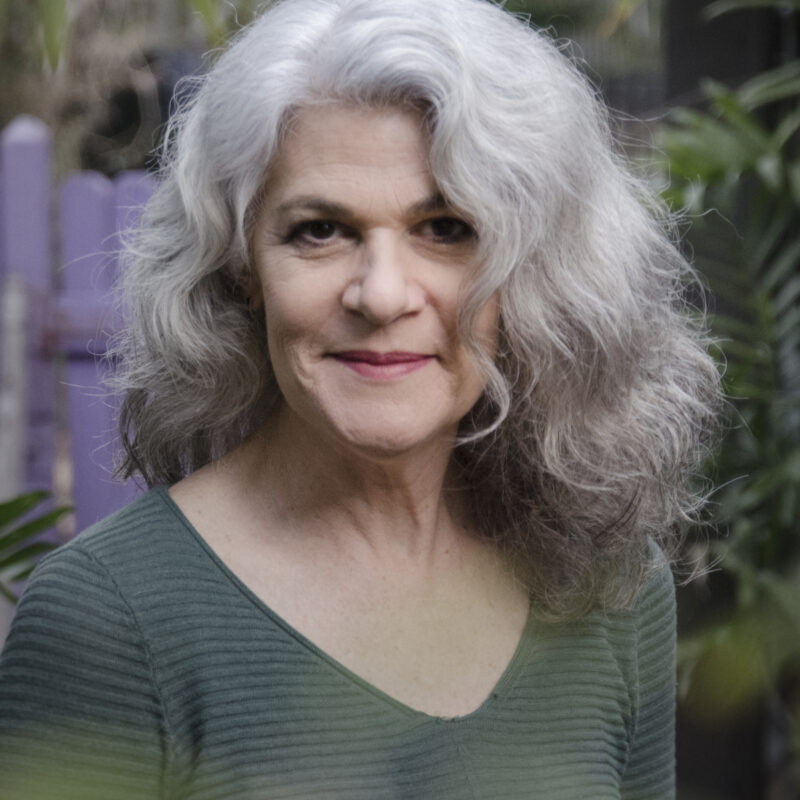 Dr Debra Adelaide is the author or editor of eighteen books, including fiction, non-fiction and reference works. Her 2008 novel, The Household Guide to Dying, was published to acclaim in Australia and around the world, and was short- and long-listed for several literary awards, including the international Orange Prize (now the Women’s Prize) for Fiction. Her most recent books include Zebra, which won the short story category in the 2019 Queensland Literary Awards, and The Innocent Reader: Reflections on reading and writing. She taught creative writing for twenty years and is now an Adjunct Associate Professor at the University of Technology Sydney. She lives and writes on Bidjigal Country in Sydney’s inner west.
0 Comments