


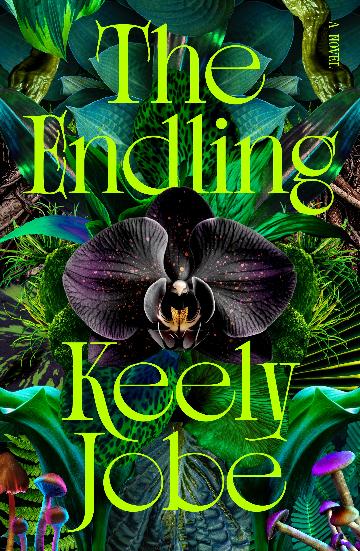
At first, over 100 women lived in this feminist utopia on an isolated mountaintop in the Australian bush. But change comes as energies fail, ideologies harden and the group dwindles to the characters Jobe describes.
Their utopian vision is breaking apart, ideals clashing. They have strict barriers: no men, animals or power tools (too masculine). Frankie, whose body is failing, lives further up the mountain with her dog, Chicken Midnight. She doesn’t follow their ‘stupid rules’. She uses a chainsaw and keeps her companion. Frankie’s niece, Mila, struggles to hold the group together but finds their egoisms too strong.
The women, except Frankie, feel compelled toward creativity and become pregnant. Mila gives birth to the only boy, who becomes a symbol of misogyny. Keeping him separated is a selfish attempt to preserve their ideal world. Mila is horrified. She realises her friendship with these women was forfeited when she bore a son. They are in uncharted territory. The babies are unusual – very small yet heavy – and whisper in a strange language.
Jobe explores what happens when the borders between species, sexes, self and reality become porous. She creates a connection between an orchid and Frankie – the last living members of their lineage. Both are dying. Frankie knows this is her final resting place with Chicken Midnight, while the orchid waits, almost out of time, for pollination.
When a fire roars towards the mountain, dramatic choices must be made. Do the Utopians choose selflessness or uphold their ideals? Can Mila change them?
With a slice of science fiction, The Ending is a dense philosophical narrative, thought-provoking with a surprising ending.
Reviewed by Judith Grace
ABOUT THE AUTHOR
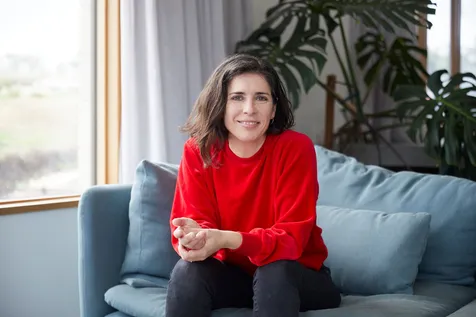 Keely Jobe is a writer of fiction and nonfiction living on the east coast of Lutruwita/Tasmania with her partner and two staffies. Her work has appeared in The Monthly, Island Magazine, Australian Geographic, and Cosmos. She has a PhD in English and Creative Writing from the University of Tasmania and is the nonfiction editor at Island Magazine. The Endling is her first novel.
0 Comments