




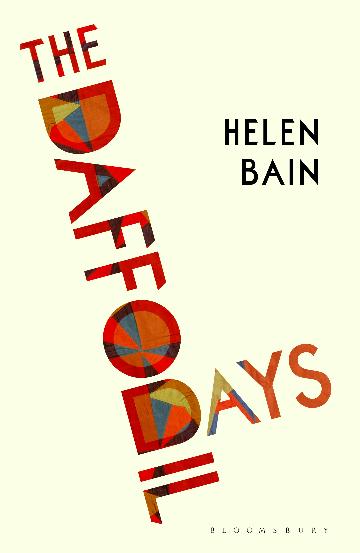
In August 1961, Sylvia Plath and her husband, Ted Hughes, buy Court Green, a thatched cottage in North Tawton, Devon, England.
Sylvia Plath, a troubled, highly intelligent, American poet is credited with advancing the genre of confessional poetry. She wins the prestigious Pulitzer Prize in 1982. Ted Hughes, an English poet and translator, is appointed Poet Laureate in 1984 and receives the Order of Merit from Elizabeth II.
We are introduced to the folk of the small market town of North Tawton as Plath becomes involved in the lives of the locals.
Chapters of the book are devoted to the bell ringers; town people who are seriously dedicated to fishing; and the lass working in Kestrels that the owner insists is not a dress shop but a boutique.
The people who enter are not customers but clients.
This book is character driven and readers who prefer this are in for a treat. Our author concentrates on the couple’s relationship with others rather than their behaviour to each other. Hughes and Plath seem to be getting along well together. And then, Hughes ups and leaves.
The Daffodil Days is a biofiction that zeroes in on the good times. The prose is reader friendly and the novel is structured so that we go back in time … from December 1962 to July 1961. It’s intriguing, enlightening and insightful.
Reviewed by Clive Hodges
ABOUT THE AUTHOR
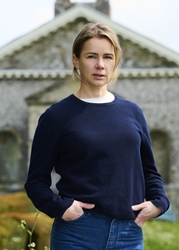 Helen Bain received her PhD in creative writing from King’s College London and has master’s degrees in modern and contemporary literature and creative writing from Birkbeck, University of London. She was selected for The London Library Emerging Writers’ Program 2020–21 and The Genesis Foundation Emerging Writers’ Program 2022–23. In 2024, she won The People’s Friend Comedy Fiction Prize. Currently at the Financial Times, she has worked for British Vogue and The Guardian, and she also teaches creative writing at the university level. Helen lives in Sussex. The Daffodil Days is her first novel.



0 Comments