



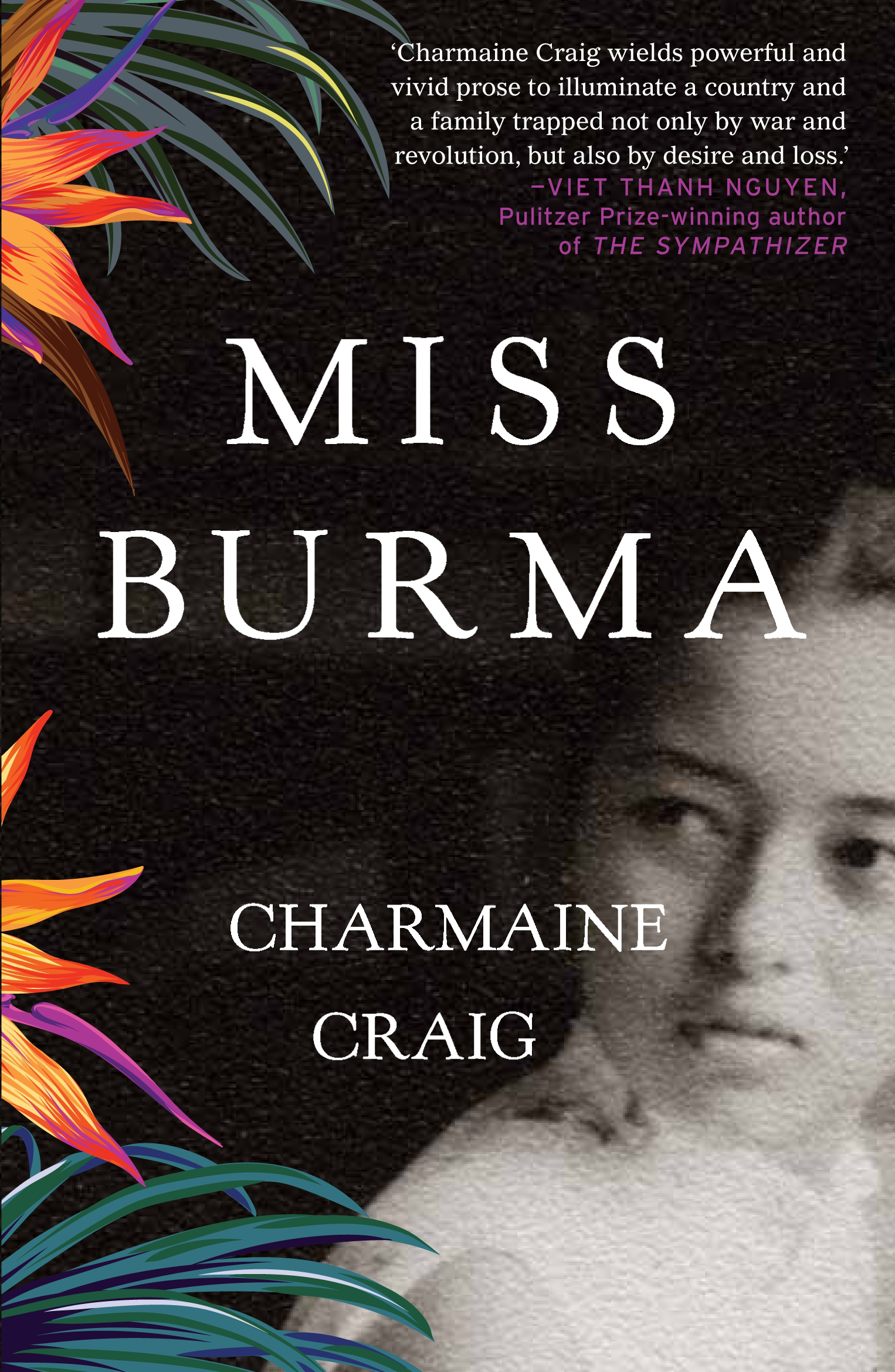
Miss Burma opens during the titular contest in 1956, when the beautiful 15-year-old Louisa sweeps across the stage. There is something about Louisa, it could be her mixed heritage ( Jewish father, Karen mother), it could be her almost unnatural beauty or it could be something else. The narrative then shifts back in time to 1926 and to Louisa’s father, Benny.
Benny was born in Burma, but after the murder of his parents, he is sent to live with relatives in India, where he feels adrift. He later returns to Burma to work where he sees from a distance the beautiful Khin. Khin is a Karen – a Burmese Christian minority group. Smitten, Benny discovers who she is and asks her employer for permission to marry her.
On the spur of the moment, Khin agrees and, with neither speaking the other’s language, they are married. For a time they are happy, despite a vast gulf that silently but subtly divides them. Louisa is the physical embodiment of their mismatched union, even as a baby, beautiful and somehow otherworldly. But then Burma is torn apart by war, and as Burma falls in on itself so, too, do Benny and Khin.
Miss Burma is grand in scope, but there is so much going on both within Benny and Khin’s oddly-splintered union and, in the background, in Burma itself as the country lurches from war, civil war, tentative democracy, oppression and military rule. So much so, that by the time Louisa begins her reign as Miss Burma, the reader is on the point of exhaustion.
The characters are strong and the concept of the family mirroring the turmoil of their country is a valid one, but the narrative itself is so weighed down by its own scope that it ultimately falls flat.
Reviewed by Tessa Chudy



0 Comments