



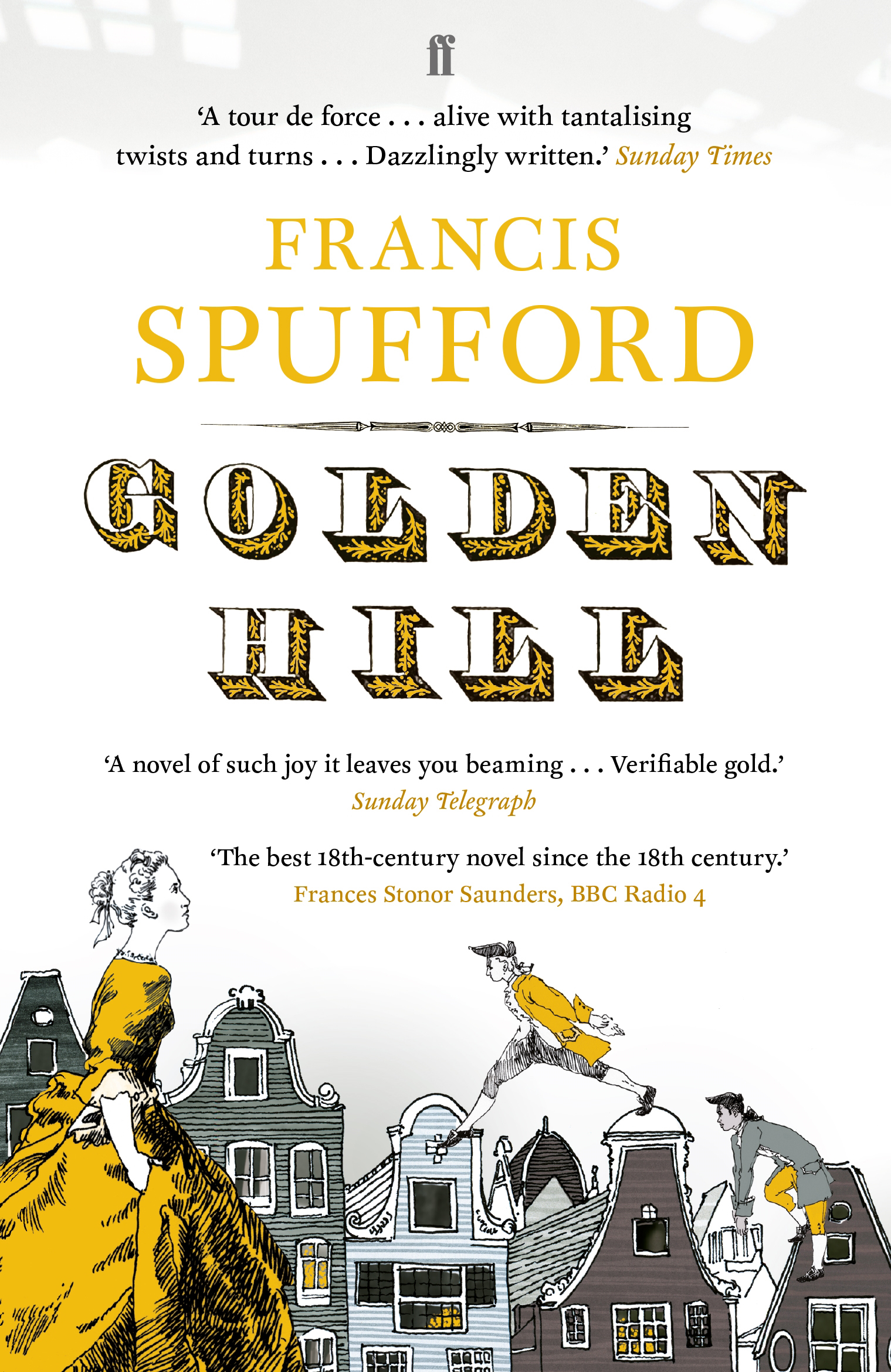
My heart sank as I began this novel when I realised that the story was not only set in 1746 but it was also written in the style of an 18th-century novel; there were more than 160 words in just the first sentence.
The story covers two months in New-York (hyphenated in those days), a town of 7000 people presided over by a British Governor. It takes a little effort for the reader to move into 1746 mode, in which the style is wordy and elaborate, and nouns and pronouns in correspondence are capitalised. But then the action starts.
Mr Smith arrives from London, carrying a bill for $1000 from a firm of merchants for which claims local currency from one of the town’s traders. He is a man of mystery – a mystery that isn’t revealed until the end of the book. Like many 18th-century fictional heroes, he seems to lurch from one escapade to another, narrowly escaping death from a mob and from judicial hanging.
Golden Hill rollicks along, an earthy tale in parts and a comedy of manners in others. But it’s invaluable as a social history of the town before the American War of Independence and before it became New York City.
Contemporary readers will have to adjust to the tone and style of this novel, but it’s definitely worth the effort.
Reviewed by Jennifer Somerville



0 Comments