


SARAH DI LORENZO is a qualified Clinical Nutritionist who has dedicated her career to rejuvenating the health of Australians of all ages.
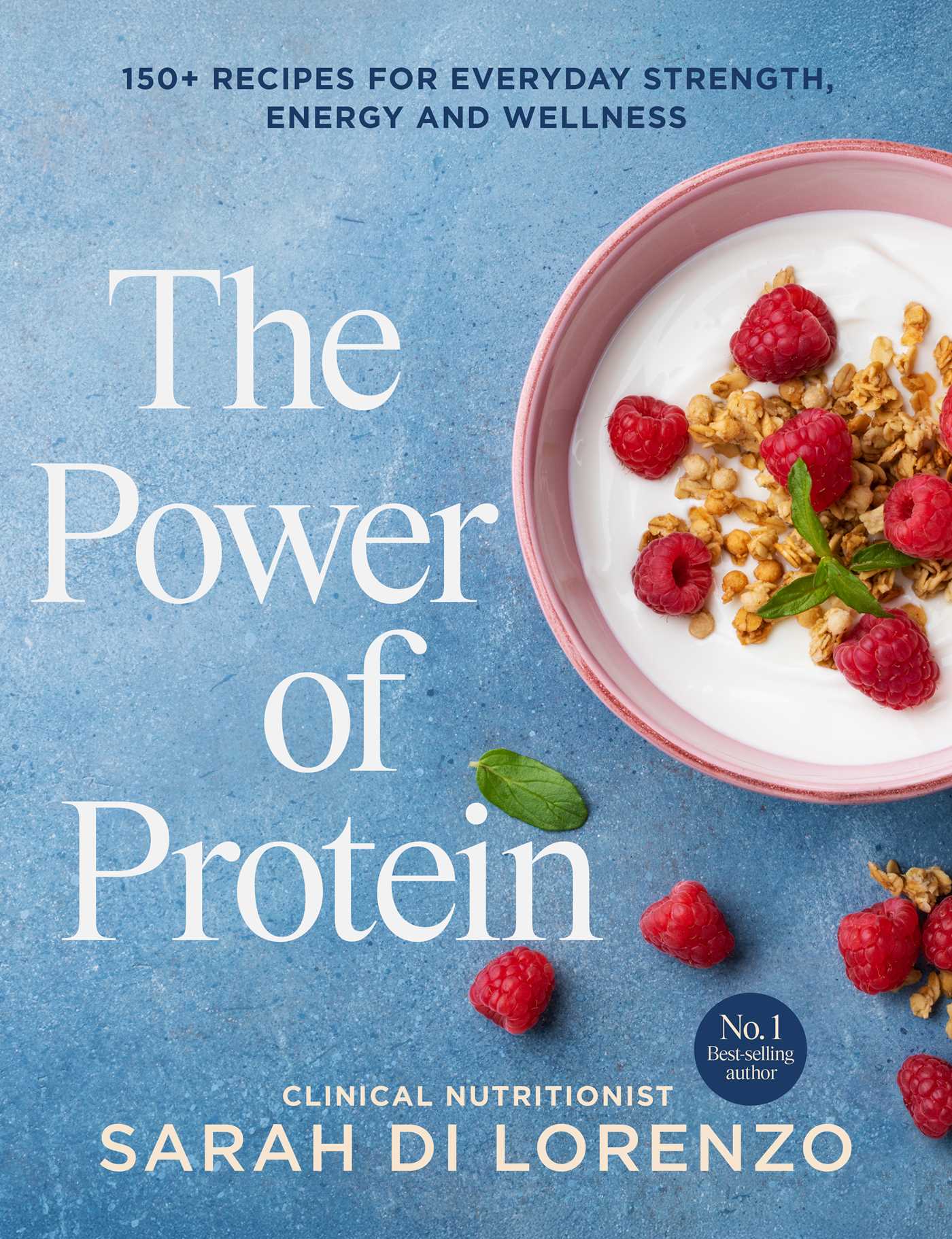
In her latest book The Power of Protein, she shows you the secrets of this amazing nutrient that can boost your energy, build muscle, support healthy ageing, and keep you feeling full for longer. With over 150 recipes, this book will show you how to add protein to every part of your diet.
Read on for an extract and to get your protein fix.
ABOUT THE BOOK
It’s one of the most important nutrients your body needs, but with so much conflicting advice, it’s easy to feel confused. How much protein do you really need at different ages? Which foods are best? And what should you be looking for on food labels?
Bestselling author and clinical nutritionist Sarah Di Lorenzo is here to help. In The Power of Protein, she answers all your burning questions and shows you how this powerhouse nutrient can boost your energy, build muscle, support healthy ageing, and keep you feeling full for longer.
Packed with science-backed advice and 150 of Sarah’s all-time best high-protein recipes – plus some brand-new favorites! This is your no-fuss, totally doable guide to making protein work for you at any age. Whether you’re getting fit, staying strong, or just want to feel better every day, this book will show you how to make protein your secret weapon – for life.
Listen to a podcast – Sarah Di Lorenzo on the steps to transform your liver health in The Liver Repair Plan.
**********
EXTRACT
Chapter 5
Where to get your protein fix
Not to sound like a broken record, protein is one of the body’s most important nutrients, playing a key role in muscle repair, hormone production and immune function. If you’re aiming for a healthy, balanced diet, you need to meet your daily protein needs. This is even more important when you’re looking to lose or gain weight, build lean muscle, or simply boost your energy. So where do we get protein?
Plant or animal: which protein is best?
Animal proteins (for example, meat, eggs, dairy) are ‘complete proteins’, meaning they contain all nine essential amino acids.
Plant proteins (such as beans, grains, nuts) are usually incomplete proteins, missing one or more essential amino acids (though some, like soy products, are complete).
Combining foods can solve the issue of missing amino acids – these combinations are called complementary proteins. You can eat complementary proteins by combining the amino acids from nuts with legumes or legumes with wholegrains, such as peanut butter or hummus on wholegrain bread or crackers, beans on toast, or porridge sprinkled with pumpkin seeds or nuts.
In my opinion, balance is everything – and a diet that combines both plant and animal protein is a truly balanced diet.
From a nutritional perspective, plant proteins are low in saturated fat, full of fibre and cholesterol-free, making them heart-friendly. Thanks to the fibre content (which animal protein lacks), they’re also anti-inflammatory and support your gut health.
Plant-based diets can lower your risk of chronic disease, support healthy weight goals and promote longevity.
But don’t forget that animal proteins are rich in iron, zinc, vitamin B12 and omega-3 fatty acids (especially high in fish), all essential for energy, brain health and immune support. If you’re building muscle or healing from an injury, animal protein can offer concentrated, high-quality sustenance.
Animal proteins are absorbed more easily than plant proteins – our body can use 90–99% of the protein from eggs and dairy. For optimum health, choose leaner cuts of meat, opt for grilled over fried and include oily fish like salmon. Go for organic, grass-fed or free-range meats where possible.
Eating too much red meat can lead to inflammation and a higher risk of heart disease, so remember to eat it in moderation. Current recommendations are to eat no more than 350 grams (cooked) of unprocessed lean red meat each week, across 1–3 meals, and avoid processed meat (for example, sausages, bacon, ham and other deli meats).
Remember: focus on whole foods, keep portions in check and drink plenty of water to hydrate. Eat to nourish and energise yourself and, most importantly, eat each meal mindfully.
************
A healthy protein-packed day on your plate
BREAKFAST
A great high-protein option is Protein-boosting eggs & greens (see page 101). This simple, nourishing meal gives you about 26 grams of protein, and is a great way to fuel your mornings. Another option is Cinnamon and ginger chia pudding (see page 93) – light, fresh and about 9 grams of protein.
LUNCH
Lunch should be colourful and satisfying. Try Sarah’s salmon and quinoa poke bowl (see page 121). Not only does it have 27 grams of protein, but it’s full of fibre and healthy fats to keep you feeling full and stabilise blood glucose levels. If you have a plant-based diet, my Tofu antioxidant-rich nourish bowl (see page 147) is a good swap and provides about 26 grams of protein per serve.
DINNER
My Salmon bake with yoghurt sauce (see page 202) with a green salad is a powerhouse of nutrients – omega-3s, fibre and about 35 grams of protein per serve. If you prefer something lighter, try my Prawn, avocado, dill, yoghurt and lettuce cups (see page 205) – packed with flavour, 27 grams of protein and lots of healthy oils.
SNACKS
A handful of roasted chickpeas, my Homemade hummus (see page 251) with some crudites, some almonds or even a boiled egg can help top up your intake throughout the day.
PROTEIN TIP
Eat the protein source on your plate first, before eating the carbs. Protein increases the production of peptide YY (PYY), a gut hormone that makes you feel full. It may also decrease levels of ghrelin, the ‘hunger hormone’. Eating protein first can help keep your blood glucose and insulin levels from spiking after a meal.
Protein-packed grains: Swap out the white rice or pasta for quinoa, which is a complete protein source.
High-protein baking: Use chickpea flour in place of regular flour to add protein to your baked goods.
**********
ABOUT THE AUTHOR
 Sarah Di Lorenzo is a qualified Clinical Nutritionist and a resident presenter on the Seven Network’s Sunrise and Weekend Sunrise. Sarah shares information with viewers about a healthy diet and eating the right foods to help with sleep, stress, weight loss, immunity, and slowing down the ageing process and so much more.
Sarah is also the author of a number of bestselling books, including The Gut Repair Plan and The Liver Repair Plan.
Through her books, newsletters, e-books and social media pages, Sarah has helped thousands of everyday Australians shed over a million kilos, lower the risk of disease, reduce medication and go on to live healthy lives.
Visit Sarah Di Lorenzo’s website
Listen to the Good Reading Podcast with Sarah on The Liver Repair Plan.

