


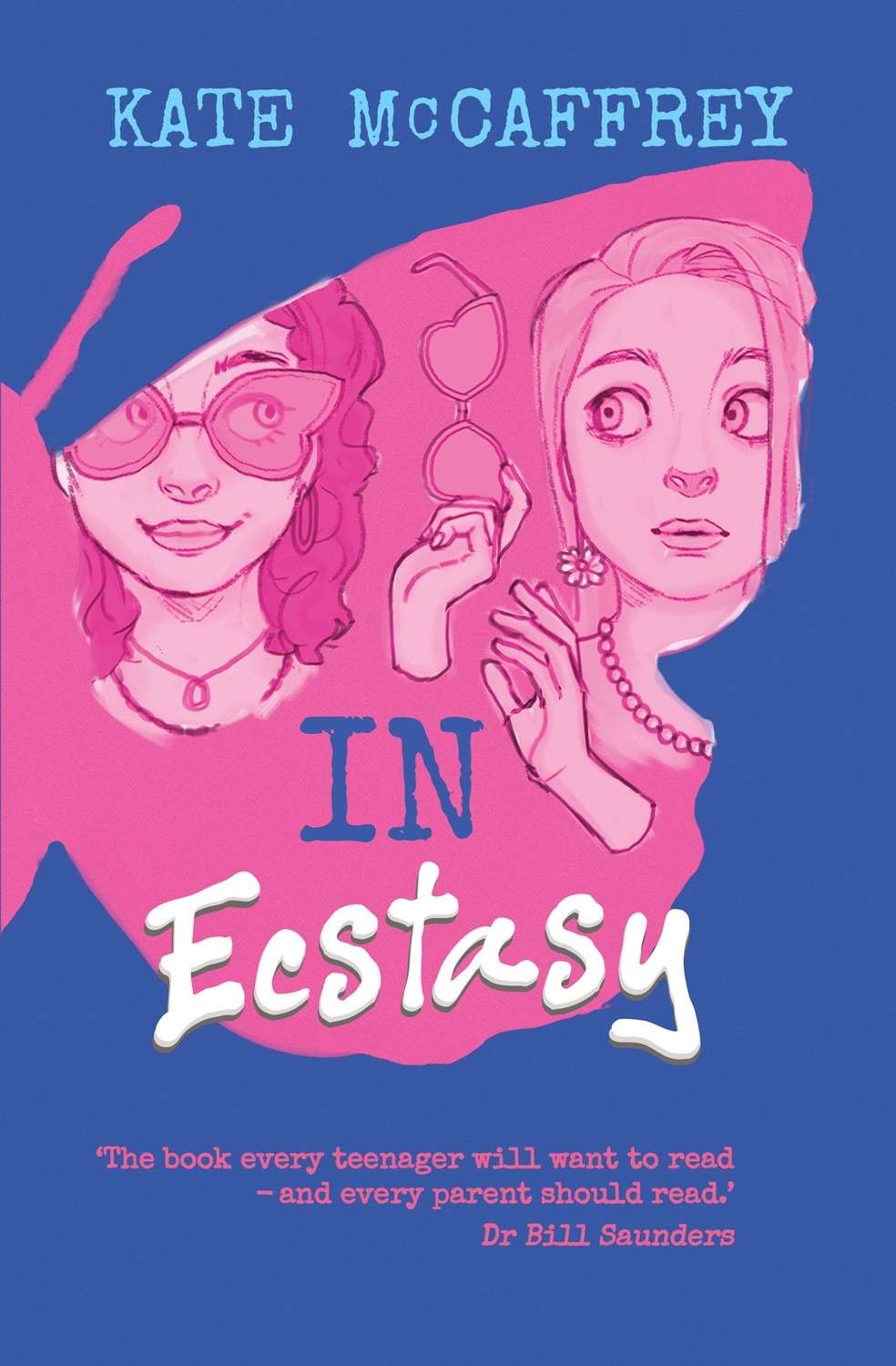
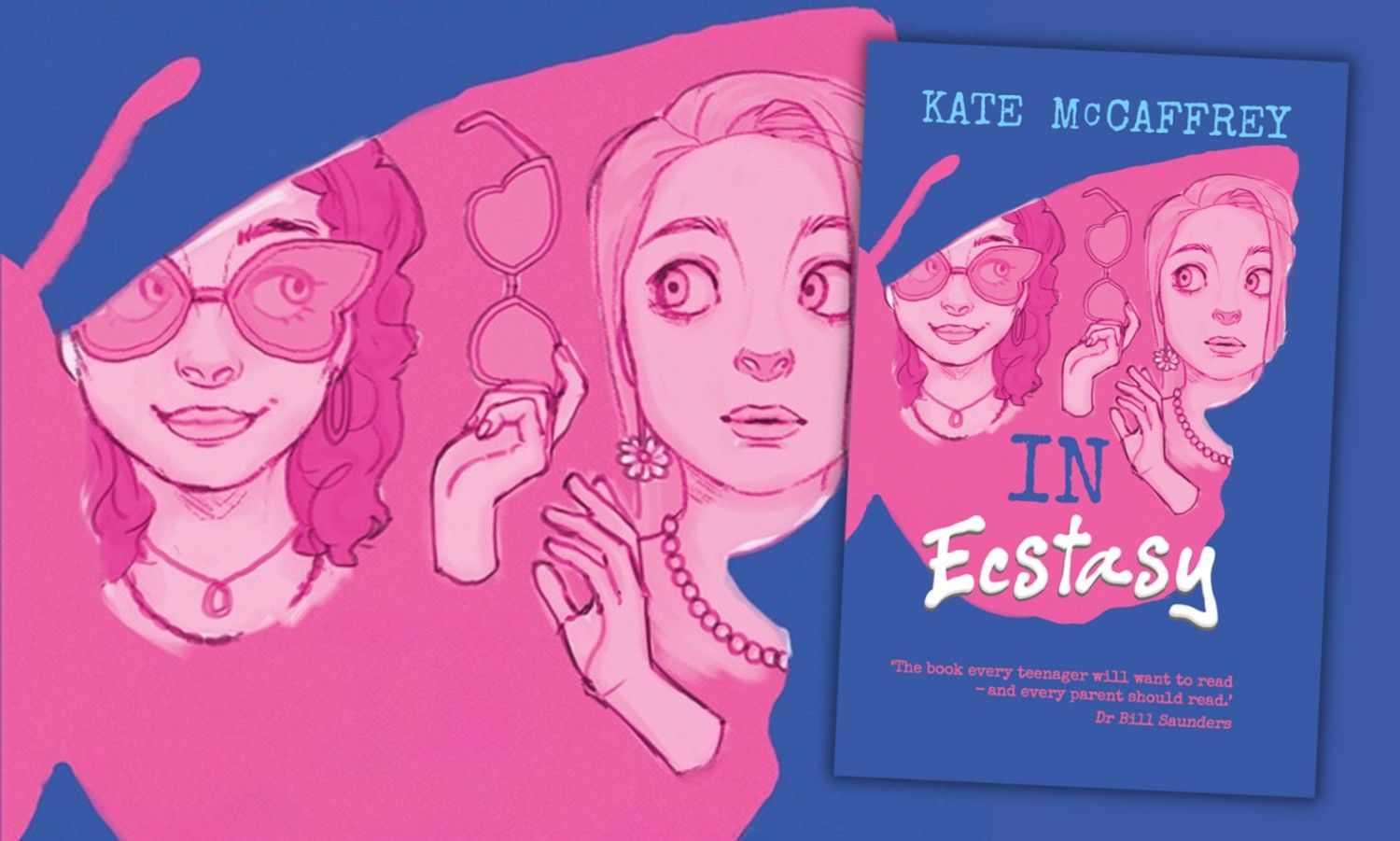
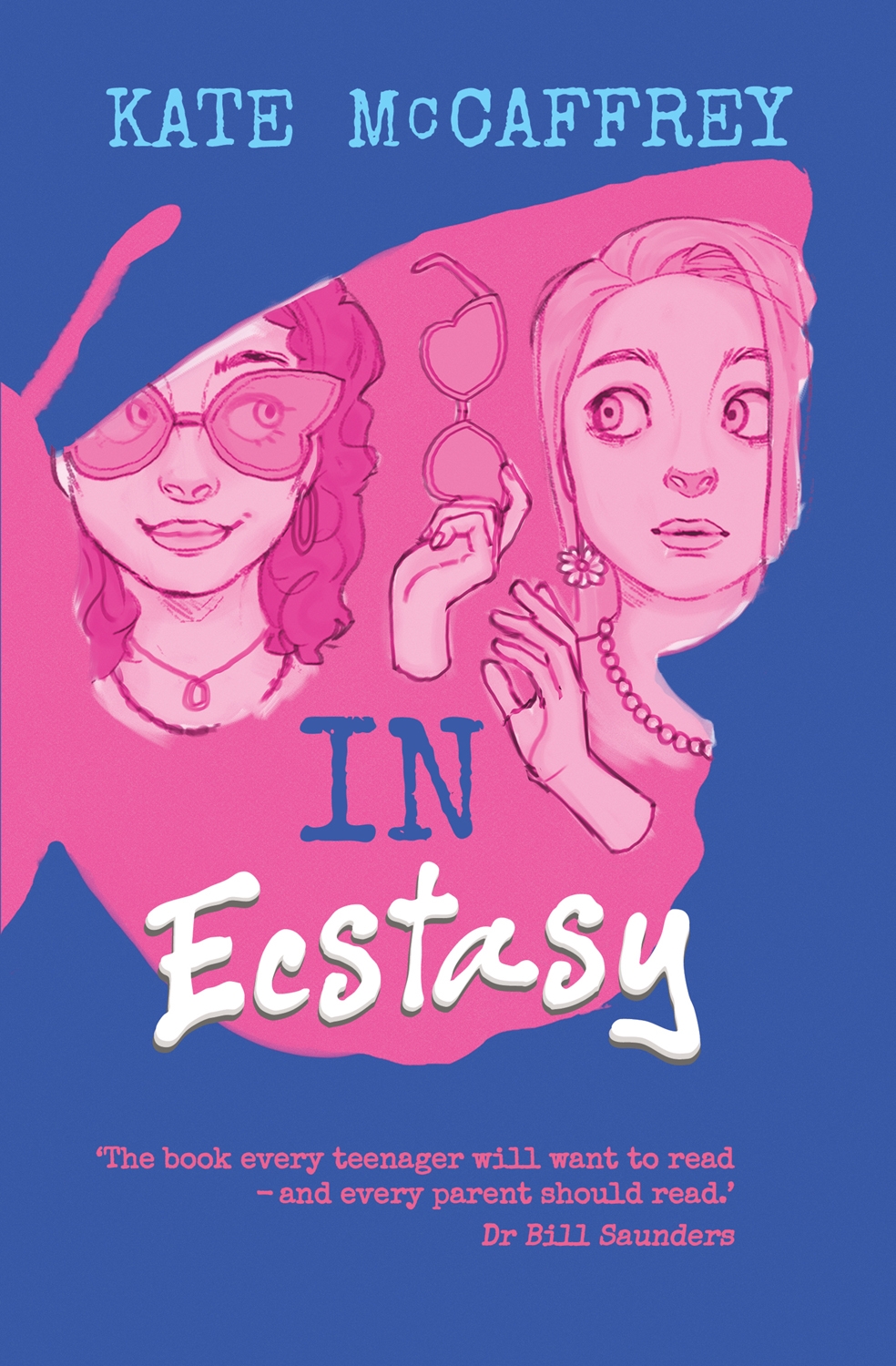
Mia and Sophie have been best friends forever – but experimenting with alcohol, drugs, and flirting with boys can change all that. In Ecstasy is a coming-of-age novel that every teenager will want to read.
We met with KATE MCCAFFREY to learn the inspirations behind her latest story.
MEET KATE MCCAFFREY
What inspired you to write In Ecstasy?
When I was teaching in the early 90s, there was very little YA fiction that accurately portrayed teenage drug use. Most of it was simplistic anti-drug literature that warned any drug use would ultimately lead to death. Yet the teenagers I knew were a much more critical and worldly audience and wouldn’t accept such a falsehood easily. I wanted to realistically explore what entices teenagers to try drugs and, alongside that, what happens when a person slides into the world of drug abuse.
What can you tell us about Mia and Sophie’s friendship and how it develops over the course of the novel?
They are best friends forever. What they admire in each other, they can’t see in themselves. Both of them have insecurities, yet try to project a confident persona. Sophie can do this naturally, but Mia finds she can only do it with drugs. Their friendship becomes a casualty of Mia’s continued drug use and an example of what can happen to the people we love when they seem to have lost control of their own lives. But, like all true friendships, it manages to survive.
Why was it important for you to capture both the ‘exhilarating and terrifying’ sides of teenage experiences in this story?
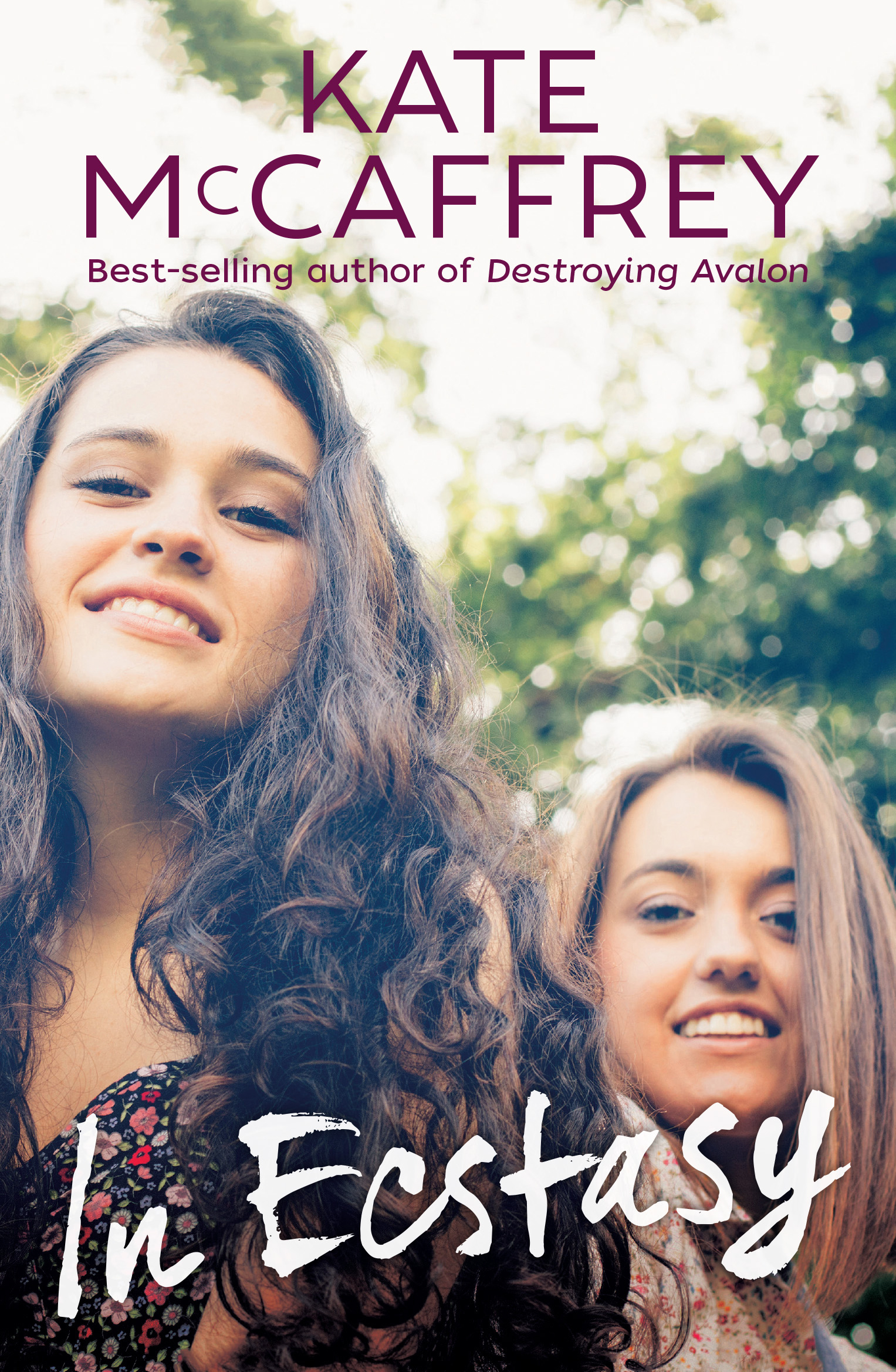 It’s about keeping it real. A teenage audience, as I said before, is highly critical. No one continues taking drugs because they feel awful. It is the exhilaration of the experience that encourages continued use, often without consideration of the consequences. Recreational drug use can involve many dangers, and people can find themselves in risky situations as a result. For Sophie, her dangerous situation has a sobering effect. For Mia, it takes a while longer.
Was there a scene or moment in the book that was particularly difficult or important for you to write?
The difficult scene was Mia waking in Glenn’s apartment after taking GHB. It is challenging to navigate the territory of non-consensual sex without being gratuitous or overly censored. It had to show what happened to her, but reveal it slowly, through snippets of memory, without overwhelming the reader.
What do you hope readers, especially teenagers, take away from Mia’s experiences and choices?
Awareness. In my research for In Ecstasy, many of the people I spoke to wouldn’t know how to respond in a drug-related crisis. When Tower is dumped at the ER, that was based on a true-life story in which teenagers were too frightened to tell paramedics that they had been taking drugs. They left their friend, and had they told the medics what he had taken, he may have survived the overdose. I think the shame of using drugs creates a world of silence, and that, in itself, is dangerous.
What conversations do you hope In Ecstasy encourages among readers?
All conversations. This is one of the most beneficial aspects of YA fiction, especially Australian YA. It doesn’t shy away from the truth. It confronts realities head-on. We don’t live in a sanitised world, and our teenagers are well aware of this. YA fiction has the capacity to create conversations, in safe environments, about aspects of the world that teenagers are curious about. If a novel like In Ecstasy can offer a vicarious experience for an adolescent reader that is enough that they don’t need to experience it for themselves, then YA fiction is an important vehicle for our readers.
Read our review of Double Lives here.
Read our review of Saving Jazz here.
ABOUT THE AUTHOR
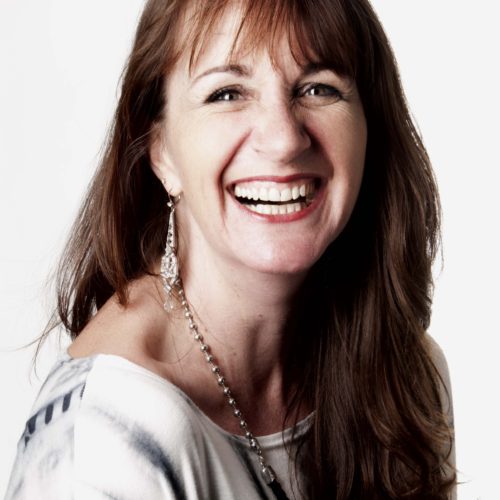 Kate McCaffrey is an award-winning Australian author of six published novels across adult and young adult fiction. Her debut adult crime novel, Double Lives (2022), was shortlisted for the Sydney Crime Awards. Her YA titles—Destroying Avalon, In Ecstasy, Beautiful Monster, Crashing Down, and Saving Jazz—have received national and international recognition, including the Western Australian Premier’s, a White Raven Award and the Australian Family Therapists’ Award.
Visit Kate McCaffrey’s website here.
Follow Kate McCaffrey on Instagram here.
Read more about In Ecstasy on the publisher’s website here.
0 Comments