


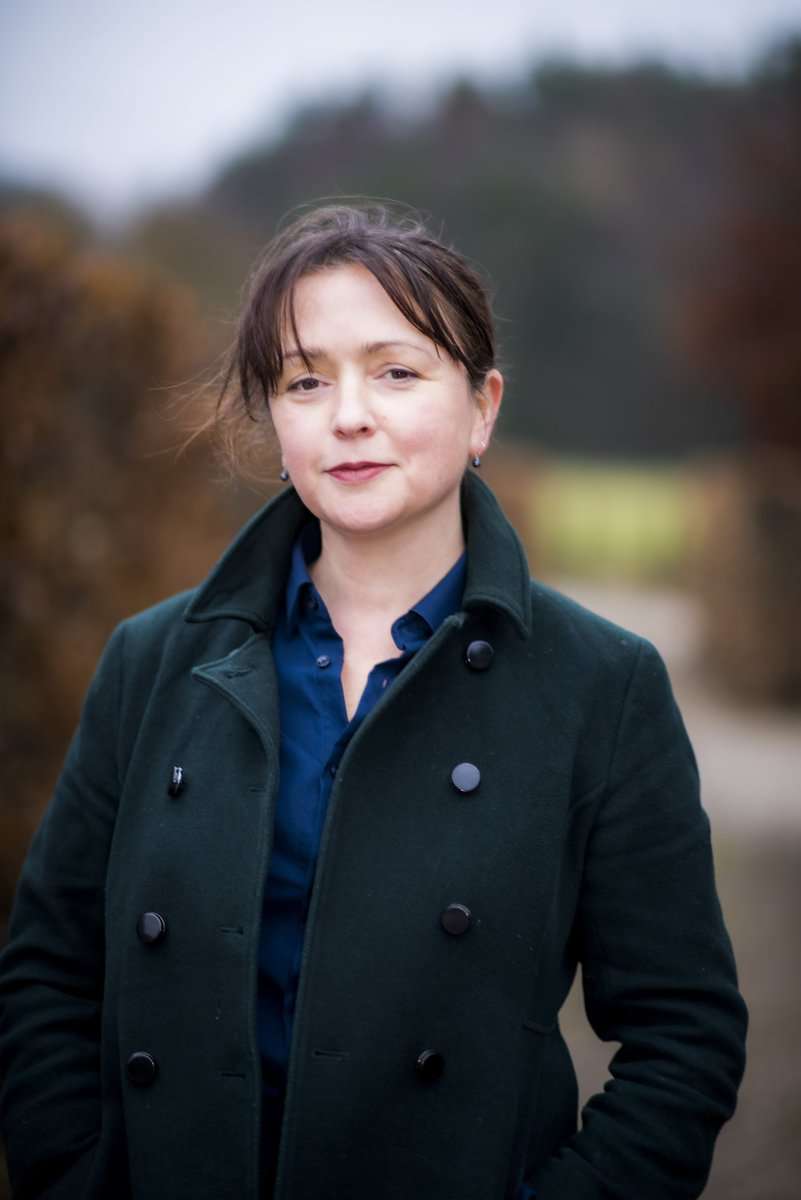
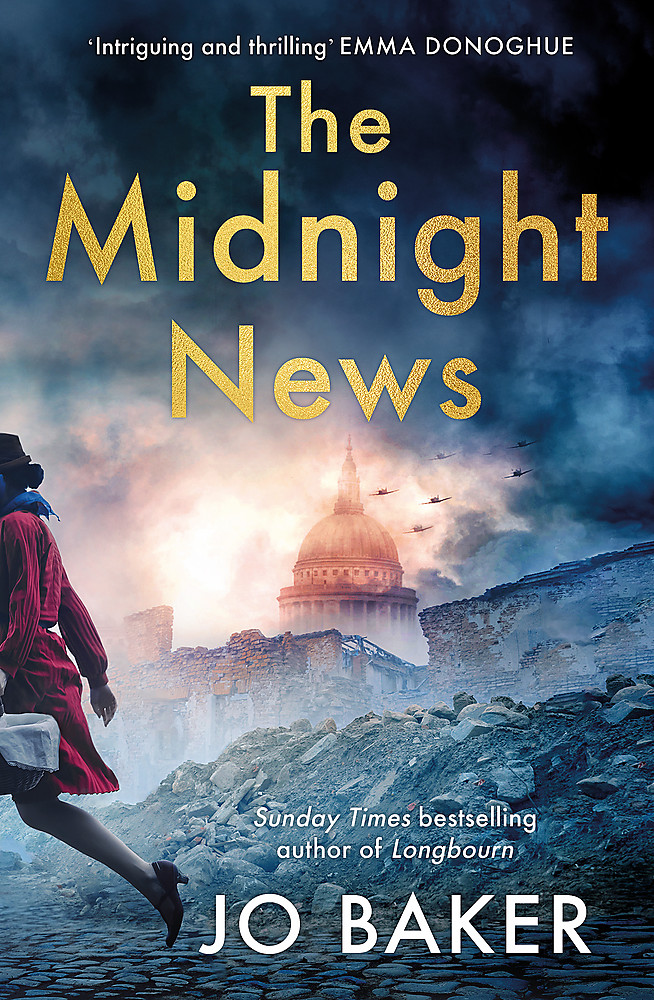
JO BAKER is the acclaimed author of seven previous novels which include The Sunday Times bestselling book, Longbourn. Her latest novel, The Midnight News, is a mystery and love story set at the height of the London Blitz during World War II.
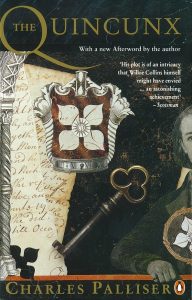 What are you reading now, and why?
The Quincunx by Charles Palliser. The Universe seemed to have decided I should read it; I’d never heard of it till a month ago, then kept stumbling on references to it, online, in conversation, and while reading. I clearly had to get myself a copy. The Universe was right; it’s magnificent. It is 1200 plus pages of neo-Victorian murk and glory.
What were your favourite books as a child?
I loved Susan Cooper’s work more than anything else on earth; alongside that, Joan Aiken, Mary Stewart and Rosemary Sutcliff.
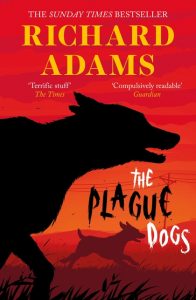 Which books always make you cry?
I only have to think the words The Plague Dogs, by Richard Adams and I start welling up.
What are some of your favourite historical fiction novels?
Hilary Mantel’s. She’s the only author I’ve properly fallen in love with as an adult. I just adore her work in that wide-eyed Labrador-like way. I never met her; we were once at the same event, clutching glasses of warm white wine, and I was just too shy to go over and say ‘Hello, I think you’re wonderful.’ Which I now of course regret; no-one minds being told that they’re wonderful.
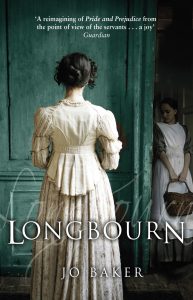 Do you have a specific period of history that absolutely fascinates you?
Two, really; though both are times of war. I’m fascinated by the early part of the 19th century, in which one of my earlier novels, Longbourn, is set. The Napoleonic Wars were going on at the time and their impact – political, social, and economic – was massive.
I also keep coming back to the Second World War in fiction. I’ve now written three novels that cover those years – A Country Road, A Tree, which explores Samuel Beckett’s time in Occupied France, and The Picture Book, which follows one family through the course of the 20th Century. And now The Midnight News, set in the first few months of the London Blitz.
What inspired you to write about World War II?
Family. My grandparents lived through that time. On my father’s side they were Londoners; grandad served in the Navy; he piloted a landing craft on D-Day. Meanwhile, my grandma was battling with a difficult pregnancy on the home front. This conjunction of grand historical events with the intimate and everyday, is pretty much where The Midnight News comes from.
What do you hope your readers will take away from the story?
I just want to take them on a journey; I don’t really know what they’ll leave with at the end.
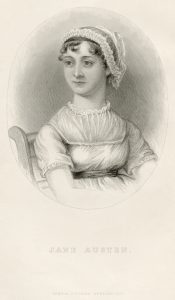 Who are six people (living or dead) you would love to invite to a dinner party?
Jane Austen, in part because of the straight-up fan-girl delight in meeting her; also to get a chance to clear the air about Longbourn; to see her face when I get out my phone to show her how absolutely massive her work is now. We know from her letters she liked a drink, so I’d be happily topping up her glass and spinning through Google images of Laurence Olivier, Colin Firth and Matthew McFadyen, hoping to get her opinion on the matter.
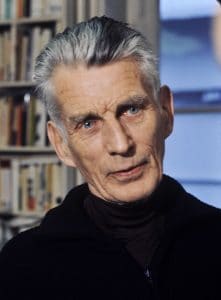 I’d also invite Samuel Beckett. I have a massive crush on him. He was notoriously quiet in company, but he was also a huge fan of Jane’s, so hopefully the three of us would soon bond over how much I adore them both. He liked a drink too; I’d be so happy to just keep pouring the wine and listening in as Jane Austen and Samuel Beckett got bladdered together.
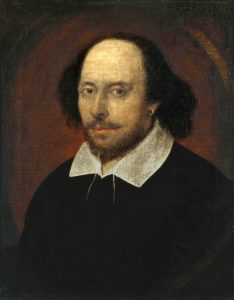 Then Shakespeare; he’d be hugely entertaining. A jobbing actor, a chancer, a man who wasn’t going to let his ordinary background get in the way of his ambition – or the fact that he didn’t know his Italian cities stop him from setting stories there. Then a couple of female writer-spies from centuries apart: Aphra Behn and Elizabeth Bowen; once they’d found their common ground, they’d have a lot to say to each other, and I’d be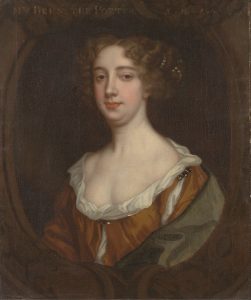
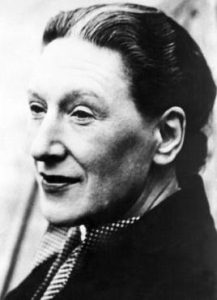 fascinated to listen in.
There’s a hiddenness to a lot of writers, a keeping of something back; spying seems just a logical extension of that. And though they were near contemporaries, I don’t think Elizabeth Bowen and Samuel Beckett ever met in life, so it would be interesting to enable this in the afterlife, to see if they clashed or sparked.
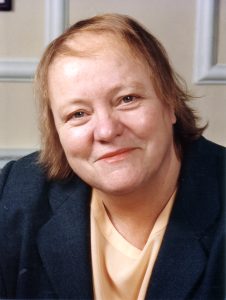 Then, and I know this is a left field choice, among the writers and the spies, but I’d love to invite former Secretary of State for Northern Ireland, Mo Mowlam. She should have had the Nobel, too, for the work she did on the peace process. I’d like to have known her; she had a unique intelligence, was just so good with people. It might also be helpful to have her there to moderate the evening; if anyone could manage such a gathering, it would be her.
0 Comments