

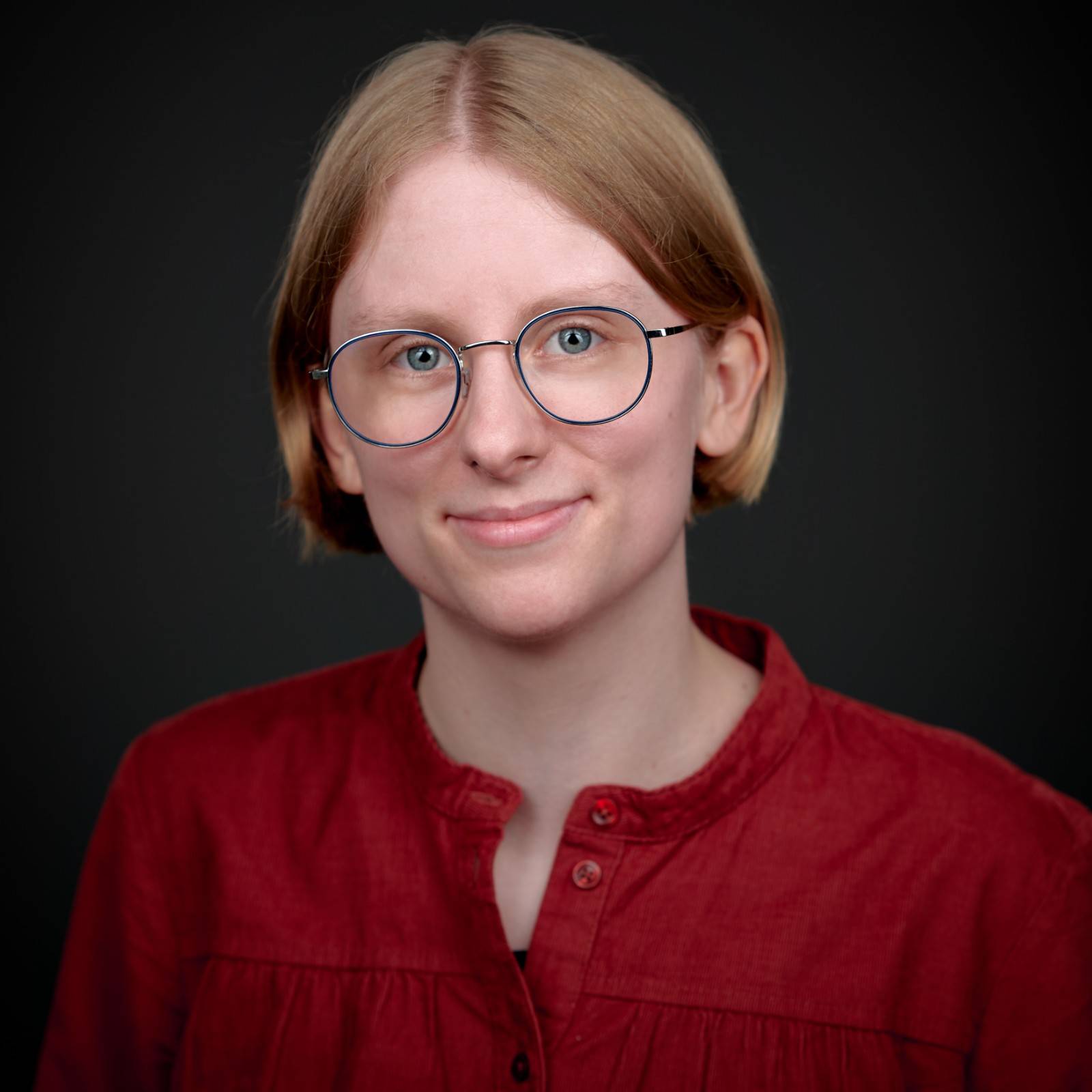
JOANNA VAN VEEN is well-known for her modern horror classics Blood on Her Tongue and My Darling Dreadful Thing, both hauntingly Gothic stories with a sapphic twist.
GOOD READING sat down with Joanna for a Q&A about her latest novel Bone of my Bone.
MEET JOANNA VAN VEEN
What inspired you to write Bone of My Bone?
Many things! My love for the early modern period (I have two MAs with a specialisation in this time period), my love for the macabre, my desire to write and read more sapphic love stories… the list truly goes on and on.
Why is this book set in Bavaria, and what was your research process?
Because it was an area that got hit hard by the Thirty Years’ War, and because I wanted a place with a large forest for the main characters to disappear into. To prepare, I read a lot about the Thirty Years’ War: popular historical books, but also academic texts as well as so-called “ego documents”: diaries and other personal texts from people who lived through it. Additionally, I read widely on religion in the early modern period, specifically attitudes towards sin and salvation as well as on witch hunts.
Your previous book Blood on Her Tongue was a vampire story, reminiscent of classics like Carmilla. Is this book also inspired by a classic story?
It is! It takes inspiration from John Milton’s Paradise Lost, especially how Milton answers a truly ancient question within that text (“If God is almighty and entirely good, then why does evil exist?”). I was also inspired by Germanic folklore and by certain fairy tales, especially Hansel and Gretel.
You have made a name for yourself as a Gothic writer, but what does the Gothic mean to you? How would you define the feeling of a ‘Gothic’ book?
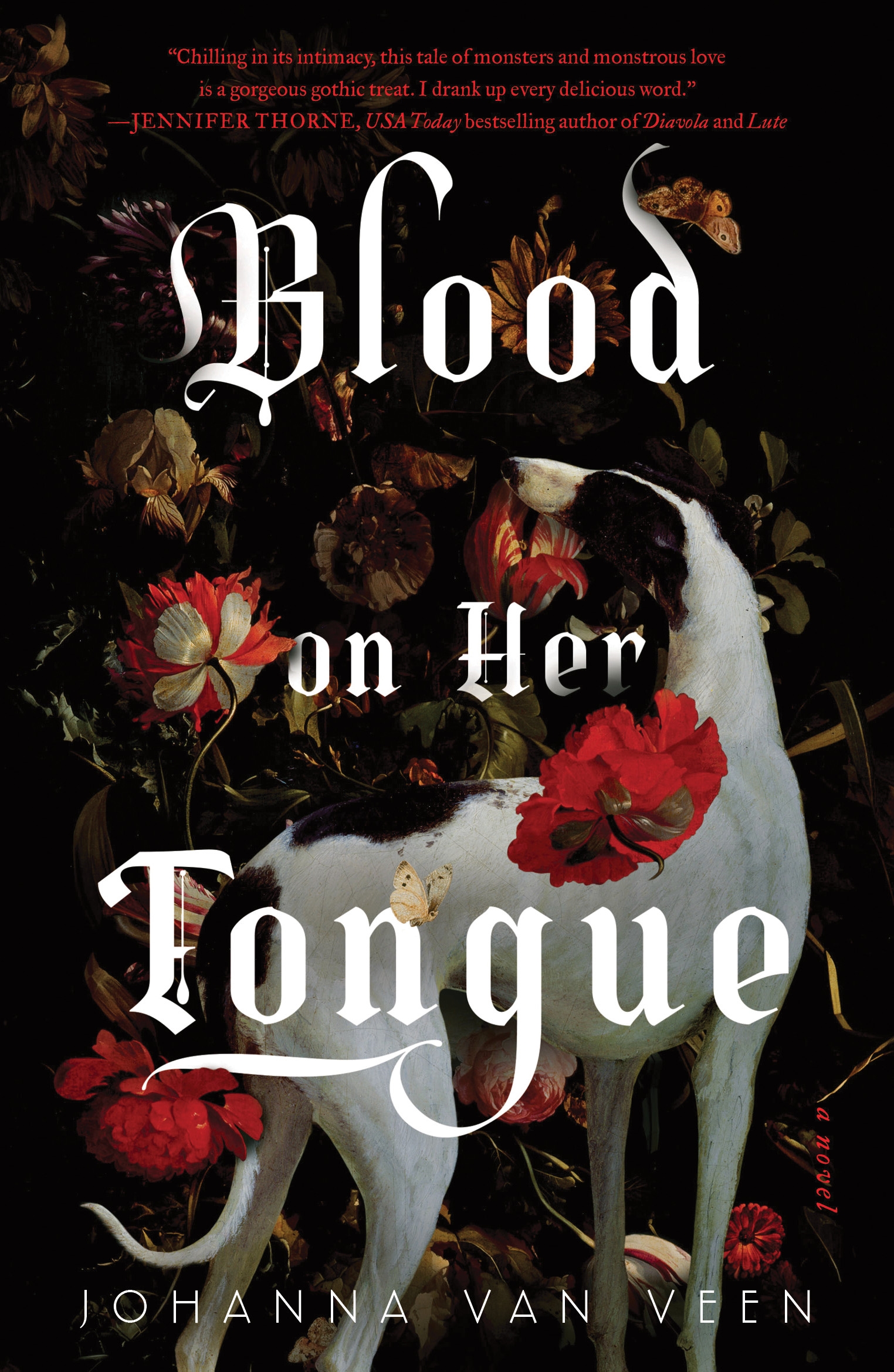 I think gothic can be a little tricky to define because whenever you draw up a list of characteristics, you inevitably run into a book that doesn’t meet all of these and yet still feels gothic. I live by the idea that, with gothic novels, you’ll know them when you see them. It helps that the gothic has a pretty well-known aesthetic of dilapidated grand houses, threats that may or may not be supernatural, bleak landscapes (overall a strong sense of time and place), and young heroines who fall in love with a sexy but potentially dangerous person. Underneath that aesthetic you will usually find a plot driven by a terrible secret that must come to the surface, a critical attitude to existing power structures (such as the patriarchy and (the remnants of) colonialism), and themes of longing, repression, and autonomy. For me, it’s my genre of choice: there’s something about it that scratches my brain just right. I can’t get enough of it; I think it’s because it’s the perfect place for me to explore themes that I find interesting combined with an aesthetic that I find pleasing.
Are there any horror writers or artists who inspire your work?
Too many to mention! I love the movies of Robert Eggers – The VVitch was a direct source of inspiration for Bone of My Bone – as well as Damian McCarthy’s, and I can’t stop thinking about the books of Shirley Jackson, Donyae Coles, Nghi Vo, Quinn Connor and many other contemporary writers. In general, I think it’s safe to say that the art we consume inspires us, either directly or indirectly.
Why are Ursula and Elsebeth desperate for a saint’s salvation? Do they have secrets that need repenting?
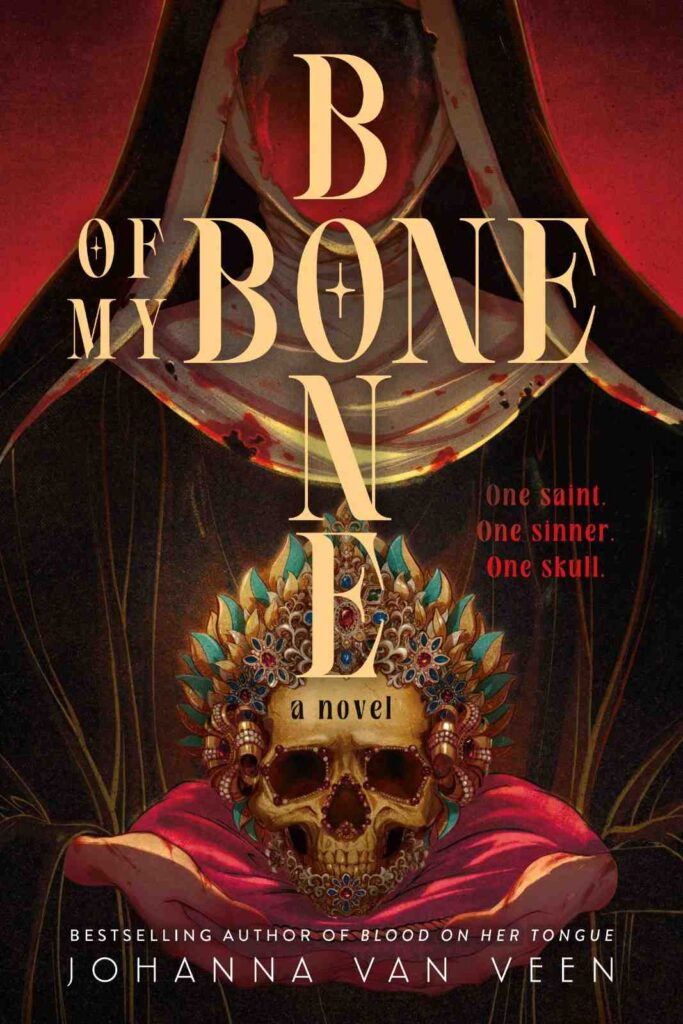 Don’t we all? In all seriousness: I don’t want to spoil anything, but I believe that anyone who is forced to live through horrors similar to what Ursula and Elsebeth live through must have secrets, or at the very least things they regret. The skull promises an easy fix to this: simply make a wish and undo everything bad that has happened to you and you have done in return. Who wouldn’t be desperate for such salvation?
Is there a magic system in this book, and how did you develop it?
There is, of a kind. The necromancer’s abilities are partially fictitious, partially inspired by early modern beliefs about necromancy, some of which date all the way back to Roman times. It is also influenced by a Christian understanding of witchcraft and resurrection. As for all the revenants: those are pretty accurate to early modern folk tales.
Your previous works, My Darling, Dreadful Thing and Blood on Her Tongue, both centre around sapphic women. Is it difficult to write queerness in times when both the language and the understanding of being LGBTQ+ was so radically different to how we experience it now? What is your solution to accurately representing sapphic love in the past?
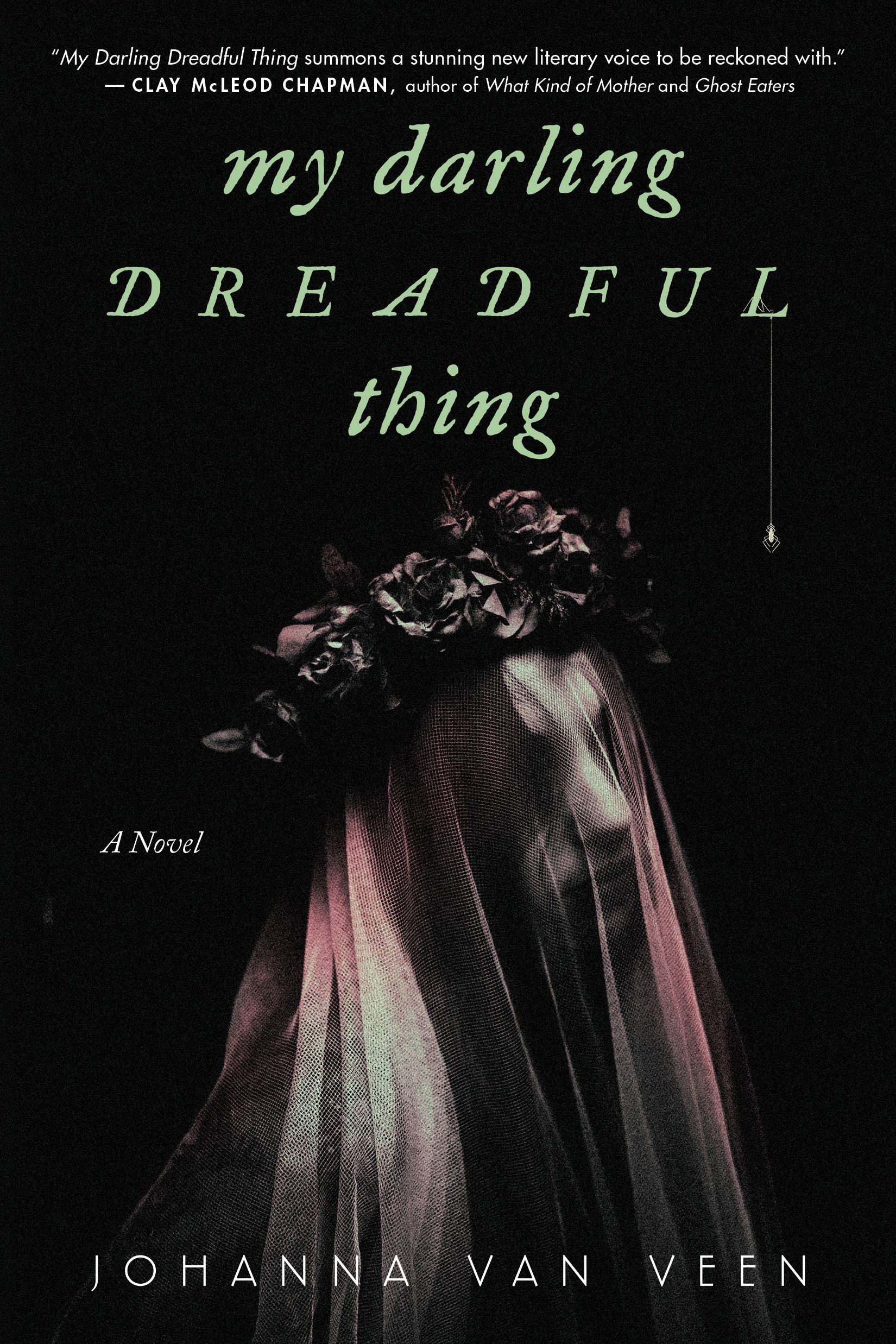 I have never experienced it as difficult. The way we understand being queer nowadays is definitely different from an early modern perspective, where people did not think of sexual orientation as part of their identity; rather, sex was simply something you did. At the same time, I believe love in all its many forms has always existed. For all that the past is a strange and foreign land, people will always be people, you know?
As for how to accurately represent sapphic love in the past: people in our time period can’t universally agree on what counts as a sex act and what it means to be queer; people in other time periods weren’t any different. The early modern period is just as complex, varied, and nuanced as ours, and that gives me plenty of room to explore sapphic relationships in my writing. I will say, though, that doing historical research certainly helped in getting certain details right. For this, I have the research I did for one of my MA theses to thank: I read a lot of early modern medical texts and texts on (female) friendship that helped to get me in the right mindset.
Could you describe Bone of My Bone in three words?
Intense, romantic, gory.
What’s next for you? Any projects on the horizon?
Yes! The second instalment in my middle-grade trilogy comes out later this year, and I have a light-academia sapphic fantasy coming out early in 2027. I haven’t forgotten my love for horror, though: you can expect another horror book from me sometime in 2027 as well!
ABOUT THE AUTHOR
 Johanna van Veen grew up in the Netherlands with her two sisters. She received an MA in English Literature with a specialization in early modern literature, as well as an MA Book and Digital Media with a specialization in early modern book history. She enjoys spending time with her girlfriend, her sisters, and her dog, though not necessarily all at the same time.
Visit Johanna van Veen’s website here.
Follow Johanna van Veen on Instagram here
Read more on the publisher’s website here.


0 Comments