



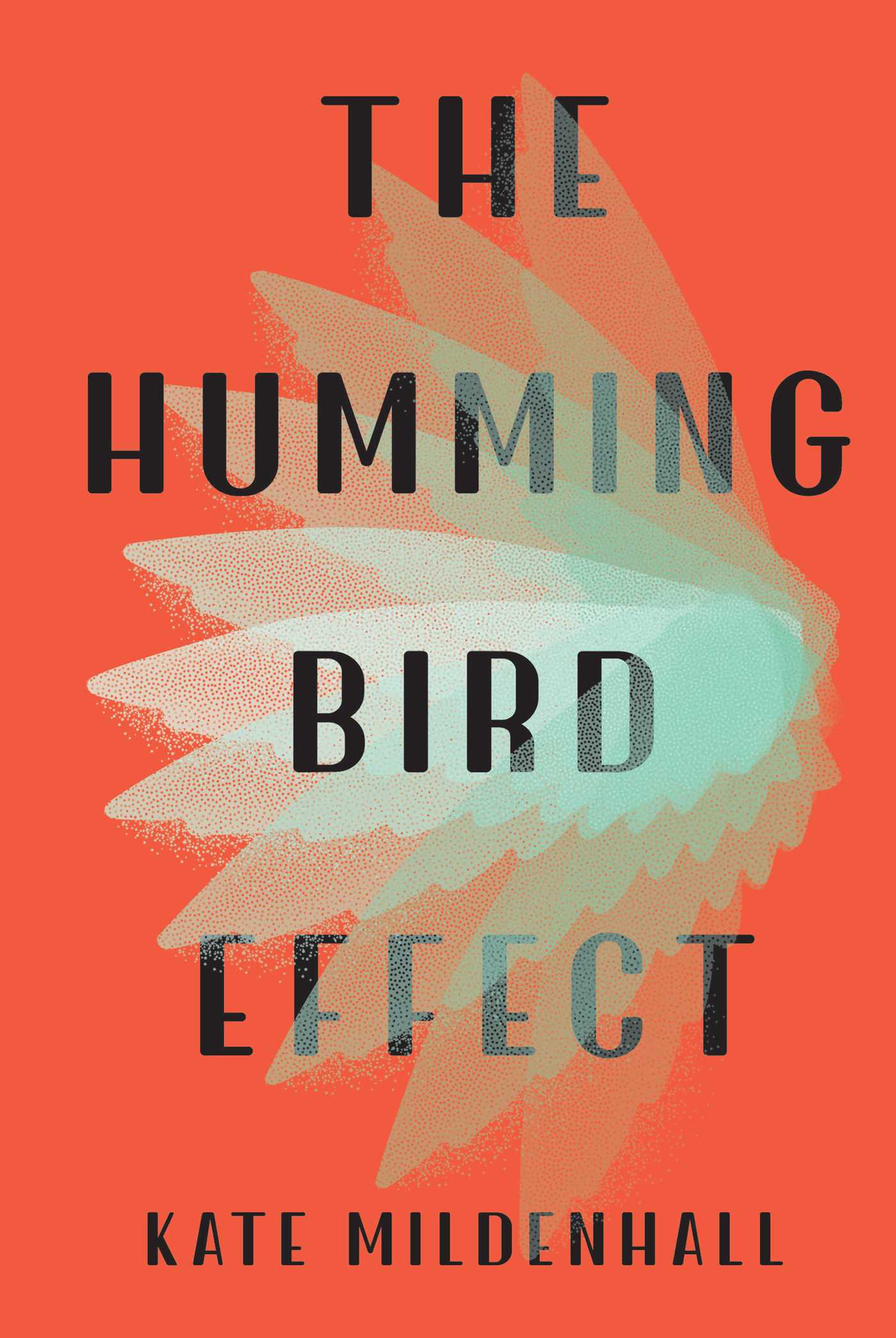
Connected across time, four women symbolise the plight of the individual in a world run amok. A conception of ambitious thematic scope. The book comprises four scenarios that embody critical social issues of past, present and future.
The story switches between 1933 Footscray in the middle of the Depression, an aged care home in 2020 grappling with the COVID pandemic, an all too foreseeable 2031 governed by AI and robotic technology, and a distant 2181 post-apocalyptic world where what remains of the past is destined to be destroyed.
That the world is in need of betterment is epitomised by the disastrous consequences of human intervention in every time period.
What I found less convincing was the 2181 futuristic scenario. This was partly a result of the ‘futurespeak’ (words such as ‘teaslumber’, ‘quietfeet’) scattered throughout otherwise conventional prose. A striving for linguistic originality that seemed a little gimmicky.
The book’s greatest strength are the vivid characters, such as Lil, the fiercely independent woman who saves Peggy from an abusive partner in 1933. Running through these disparate stories is the cryptic leitmotif of the Hummingbird Project, designed to uninvent damaging human innovations to ‘make the world a better place’.
A compelling read.
Reviewed by Anne Green
READ AN INTERVIEW WITH KATE MILDENHALL
ABOUT THE AUTHOR
 Kate Mildenhall is a writer who lives on the outskirts of Melbourne with her family. Her debut novel, Skylarking, was published in Australiain 2016. Skylarking was longlisted for the Voss Literary Prize 2017 and the Indie Book Awards 2017. Kate has received residencies at Varuna, the Writers House and at Bundanon. With friend and author Katherine Collette, Kate co-hostsThe First Time podcast, a podcast about the first time you publish a book.
Kate’s second novel, The Mother Fault, was published in 2020 and The Hummingbird Effect was published in Australia 2023.



0 Comments