



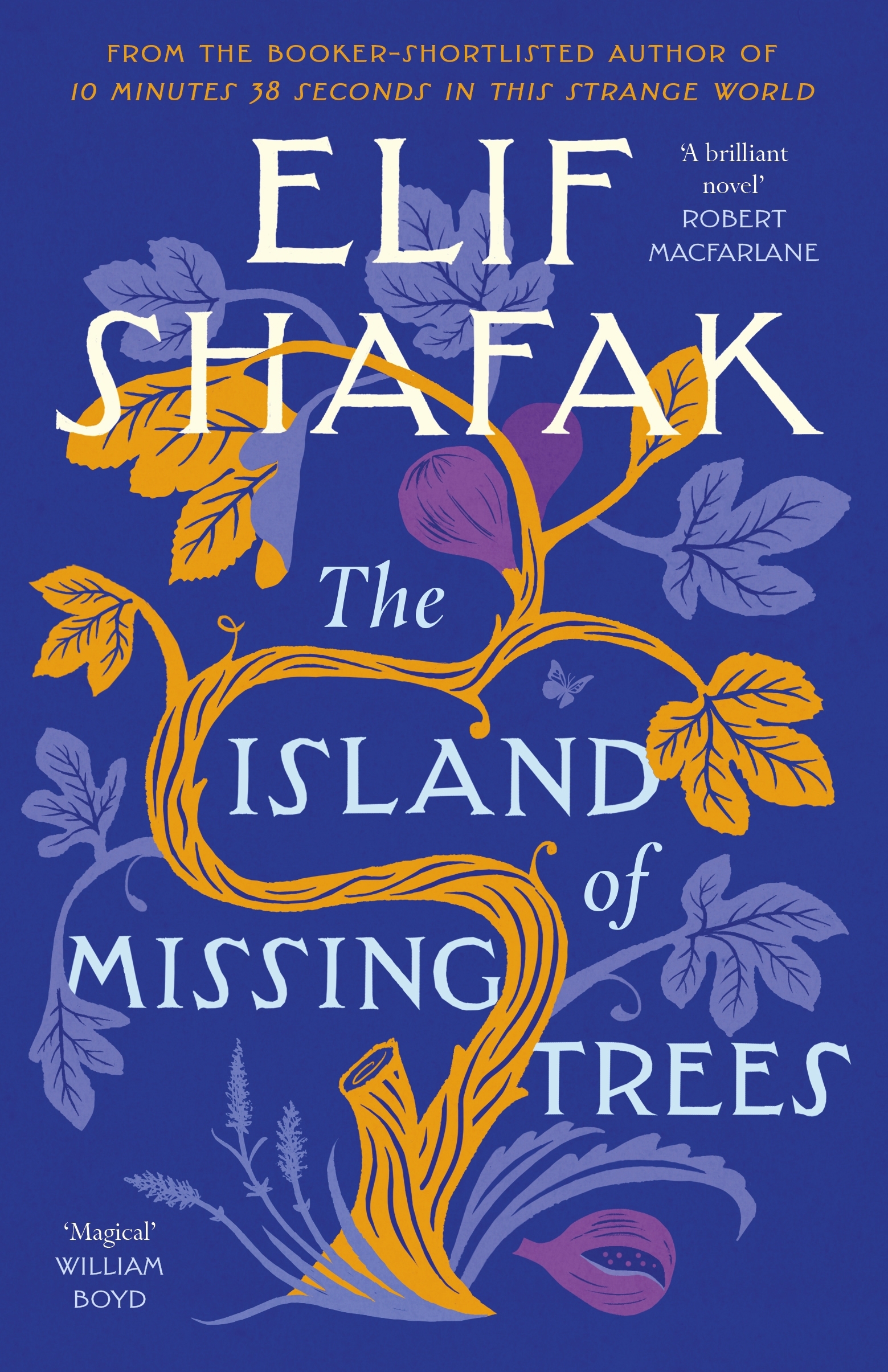
Shafak is a master of the hybrid genre. The Island of Missing Trees transcends magical realism, historical fiction, and fantasy. Don’t expect magical realism in the style of a Murakami or Gaiman, and don’t expect historical fiction in the style of Mantel or Doerr. Shafak has found a unique voice in a flooded literary world, and it is sublime.
Set largely during the Turkish invasion of Cyprus in 1974, The Island of Missing Trees follows the lives of Defne and Kostas, two teenagers from either side of the war, who find something beautiful in the middle of something horrific. A parallel story takes place in the 2010s, where we meet Ada Kazantzakis, a girl living in London with a secretive family history. What ties these stories together? A fig tree that was there at the onset of war and now remains the only connection Ada has to her homeland of Cyprus. Having been given a school assignment, Ada embarks on uncovering a tense and unsettled family history. One that has laid dormant for decades, but is ready to surface once again.
Shafak’s characters are deep and soulful. They enlighten the tragic impact this war had on the land. Not only the human cost, but the immeasurable impact on the flora, fauna, and spirits of the land. A highly unique narrator in this novel is the fig tree, and it will steal your heart. I had never felt such empathy for nature than I did in this novel. The enchanting world Shafak has created is vivid and authentic.
Reviewed by Samuel Bernard Williams



0 Comments