



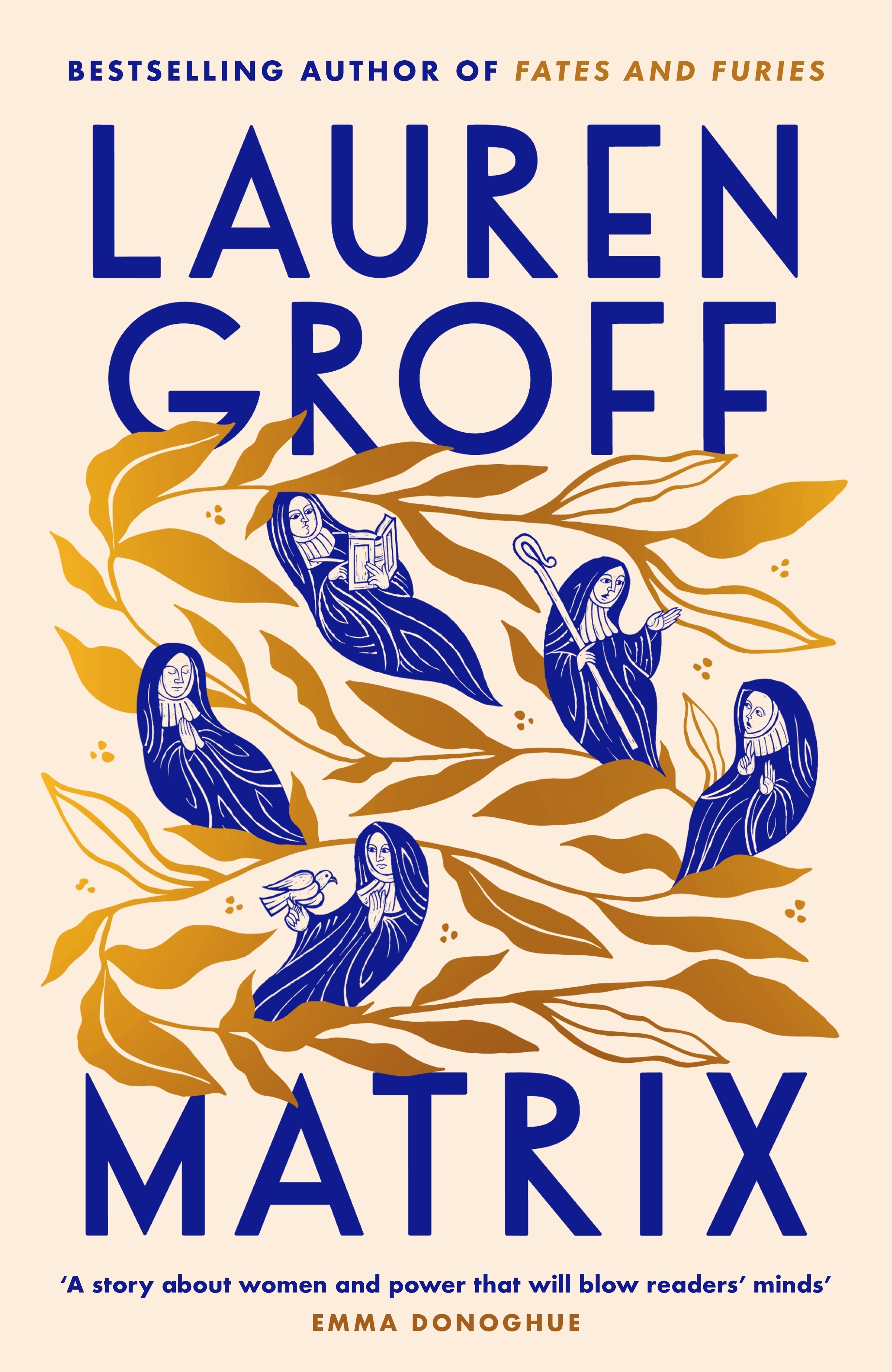
This is most wonderfully unexpected – a contemporary American writer flawlessly capturing the lives of nuns in England’s High Middle Ages, though this is a long way removed from a dry ‘religious’ novel.
French-born Marie is 17 and orphaned as the narrative begins in 1158. She is the product of her mother’s rape by a French noble and her care is the responsibility of her half-sister, Eleanor, once queen of France and now of England. While Marie has the servant Cecily as her lover, shet also desires the Queen’s love. She exhibits precocious business acumen, but has a wildly unmanageable temperament. Eleanor removes her to a poverty-stricken abbey.
Marie is Amazonian – much taller than other women, strong of body and stronger of will. She chafes against the strictures of the abbey but senses how it may utilise the skills of the nuns to become self-sufficient. Her interventions are successful and the abbey becomes profitable. Marie’s slow acceptance of her vocation accelerates when she receives visions from the Blessed Mother (Mary) and (first woman) Eve, which compel her to isolate from the outside world by building a labyrinth to enclose the abbey.
The feminist premise of the novel is overt. The patriarchy is a malign background presence (most particularly the church). Weaving Marie’s character around the strong historical figure of Eleanor is masterful. Groff’s choice of ‘matrix’ is sublime. It may mean ‘network’ (of nuns), but also ‘enclosure’ (as in labyrinth). Intriguingly, it may also refer to ‘womb’ (from the Hebrew rechem) with particular Biblical – and obvious feminist – connotations.
The characterisation of the nuns is marvellously varied, with conflict and resolution and both platonic friendship and sexual attraction. The abbey is a vehicle for the exploration of strong, independent womanhood. The result is an exceptional, triumphant novel.
Reviewed by Bob Moore


0 Comments