



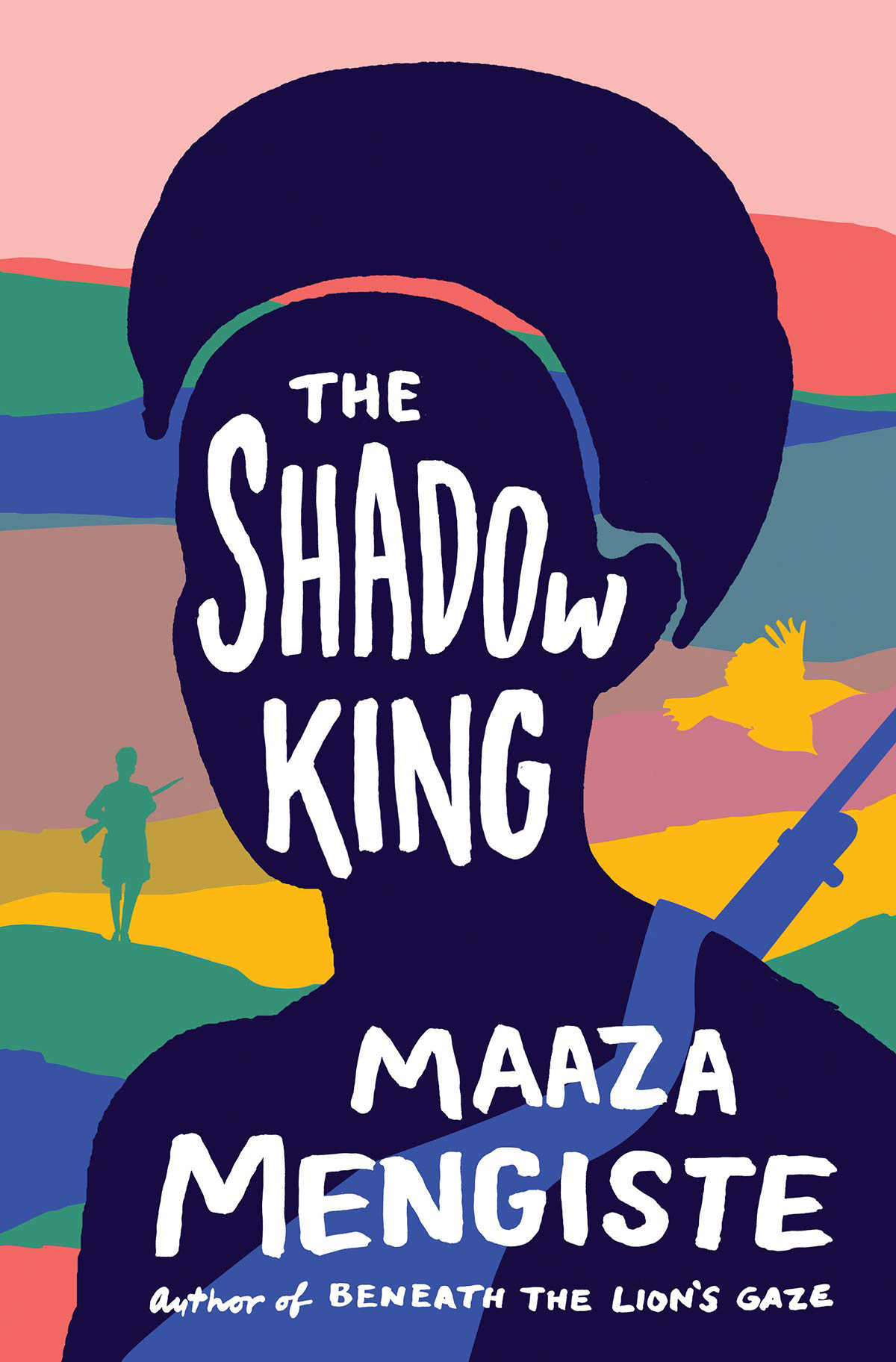
Attempting to reverse their failed first attempt, Italy invaded Ethiopia in 1935. Columns of trained, well-armed troops flay a ragged band of poorly equipped warriors. It is slaughter on a Biblical scale.
The novel’s epigraph includes a verse from Isaiah. This is appropriate not only because it references Ethiopia. Mengiste’s prose has the poetic sensibility and anthropomorphism of Isaiah. It also shares the Old Testament’s cruelty, blood, and vengeful fury. The narrative centres on a young woman, Hirut, and an Italian soldier, photographer and Jew, Ettore Navarra. Hirut is recently orphaned and joins the household of Kidane and Aster as a maid where she is abused by them both. That Hirut will be a warrior is foreshadowed early, as her one possession is her late father’s rifle. Ettore’s religion imperils him even as he fights with the conquering army. His photographic skills keep him temporarily secure.
Kidane leads a band of male warriors. Aster rallies the women, including Hirut, to fight as well. Emperor Haile Selassie retreats into exile in England. Hirut then notices that one warrior, Minim (meaning ‘nothing’) resembles the absent king. In a bid to boost morale, Minim is paraded as the emperor – the shadow king.
‘To be in the presence of our emperor is to stand before the sun.’ The contrast between sun and shadow is one of many oppositional elements in the book. The most potent relates to gender. Men are superficially strong and warlike, but inwardly fragile and fearful. The women are perceived as weak, but have an inner ferocious strength. The interaction between Hirut and Ettore – captured prisoner and guard – is pivotal to the narrative. This powerful, sprawling, lyrical epic should be showered with accolades and awards. It deserves every single one.
Reviewed by Bob Moore



0 Comments