


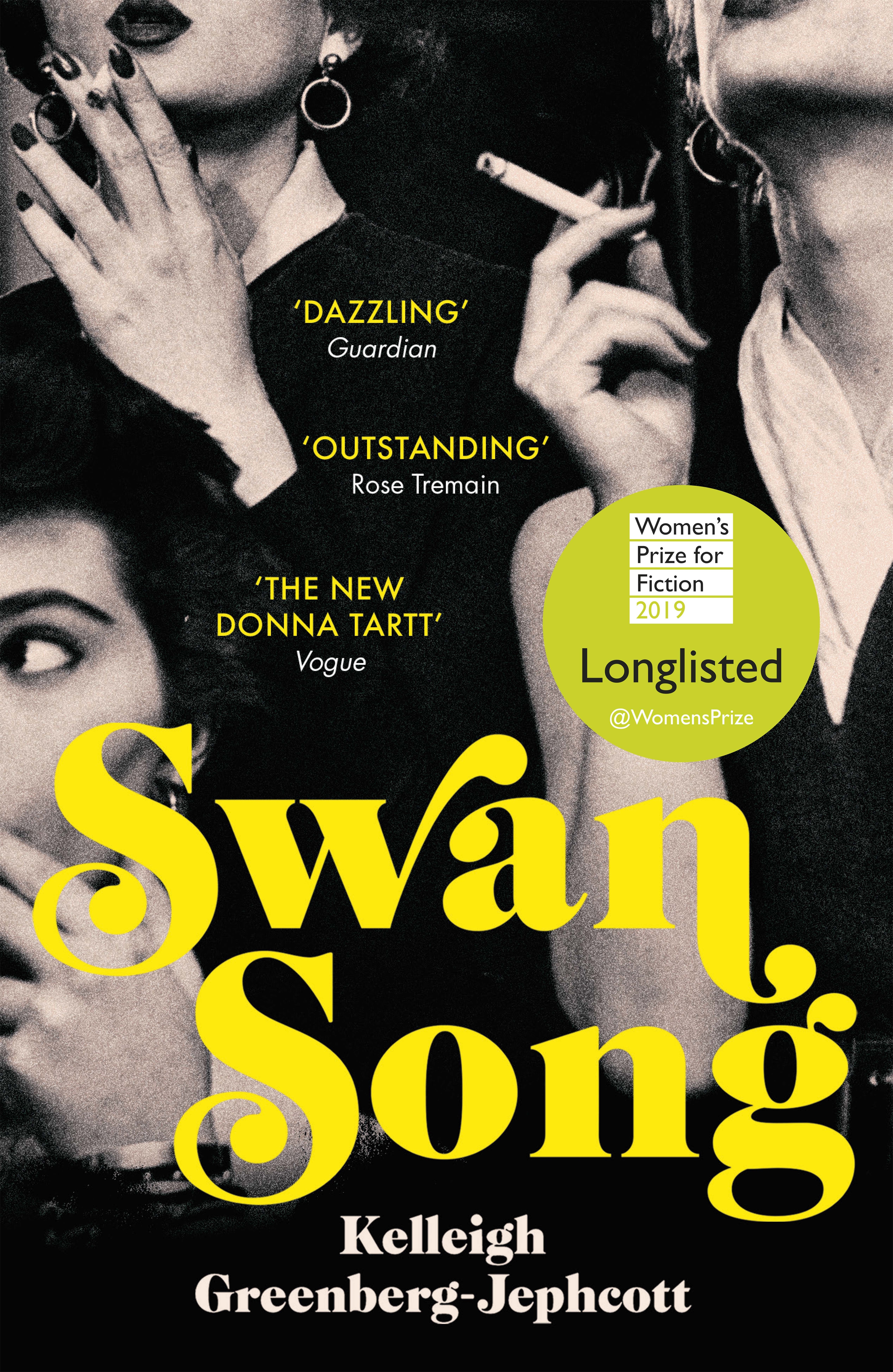
Inspired by Truman Capote’s infamous unfinished novel Answered Prayers, Swan Song is as much concerned with Capote’s meteoric rise as his equally spectacular fall from grace. The swans of the title are Capote’s coterie of female socialites and their revolving cast of wealthy partners. Capote charms his way into their social circle, weaving his own story into fictions and gossip into facts. He is a strange, misfit figure but his swans embrace him flaws and all, and share their deepest darkest secrets.
But then one day an extract from Capote’s novel-in-progress Answered Prayers is published, filled with salacious details that only his swans could have told him. Betrayed, his swans turn on him and Capote finds himself excluded from the world he has clawed so desperately to join.
The narrative sweeps backwards and forwards in time, from Capote’s childhood to his drugand alcohol-fuelled decline, and in-between are woven the stories of the swans themselves.
Swan Song is based on 10 years’ research and it is brilliantly executed, with its multiple narrative threads and parallel time frames. It reads like a grand tragedy or, more precisely, a series of grand tragedies. However, the self-indulgent Capote soon becomes tiresome, as do the tales of gossip and pretence, and Swan Song becomes a chorus of denial and woe, its technical brilliance overshadowed by its subjects.
Reviewed by Tessa Chudy


0 Comments