


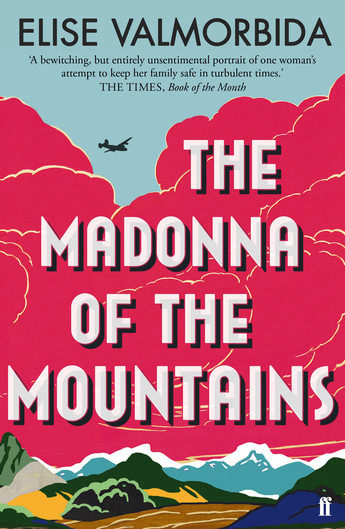
Maria is one strong woman. As a girl, she lived in the Italian Veneto mountains, moved to the plains on her marriage in the 1920s, and as Fascism and then World War II grips Italy, she struggles to protect her family.
This moving, engrossing story of a traditional Italian family enduring the worst of times is written by an Italian-Australian author now living in the UK, for whom migrants and migration have always been at the heart of her storytelling.
Valmorbida shows a deep knowledge of the minutiae and privations of domestic and rural life in Italy in the years between the two world wars and immediately afterwards, particularly the intricacies of raising silkworms.
Life was tough, there was rarely enough to eat, and all Maria’s mental and physical strength was needed to keep her children safe.
From the time she was a child, Maria had prayed to the Madonna of the Mountains, and taken heed of her answers.
Contemporary readers may be appalled at the beatings Maria endures at the hands of her husband, but her Madonna urges her to accept them as the natural way of things.
In the same way, the traditions Maria and her husband, Achille, want their elder daughter to maintain may seem unrealistic for 2018, but this book is about a deeply conservative Italian society at a time when moral failings by a daughter reflected badly on her parents.
The portrayal of Maria’s strength extends to the means she employs to save her imprisoned husband, and her relief and delight that the reunited family is about to migrate.
Ending this intense glimpse into mid-century Italian life is a final down-to-earth chapter detailing how to make gnocchi, sopressa sausage and polenta, and even how to restore rancid oil or meat during the time of privation.
Reviewed by Jennifer Somerville



0 Comments