


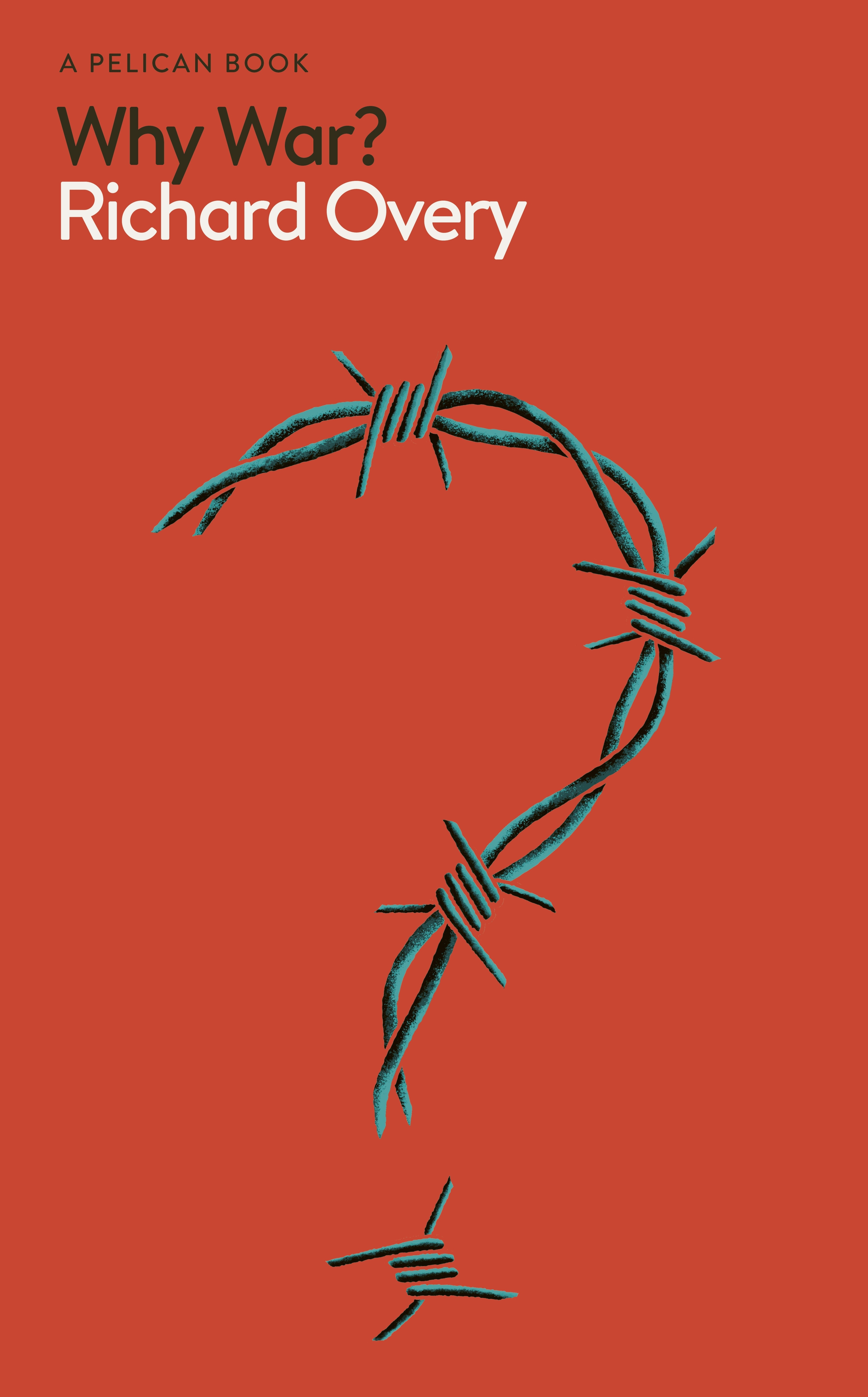
In this book Richard Overy investigates whether war is an inevitable part of the human condition. He is an historian of World War II and some of his best work is on Russia’s War so he has an in-depth knowledge of perhaps the most brutal war of them all but the result of his enquiry will unfortunately give no comfort to pacifists.
Overy approaches the subject from the perspective of a range of disciplines with something to say about the human propensity for organised large-scale violence: biology; psychology; anthropology; and ecology and then from the perspective of commonly identified causa belli – Resources, Security, Belief.
The result is uneven and often tendentious. Turning to biology and psychology, Overy clearly thinks that the post-World War II aversion to biological explanations of human behaviour is not helpful, but he struggles to persuasively make the case that warfare could be adaptive in an evolutionary sense given that its casualties throughout history included large numbers of fit young men. The fact that animals such as Chimpanzees can be violent really sheds no light at all on human behaviour and plenty of biologists think we are more like the peace-loving Bonobos anyway. No-one has identified a warfare gene. And to conflate individual aggression with warfare is ridiculously reductive.
Overy may be on firmer ground when he looks at ‘anthropology’ (he really means history and archaeology) where there is indeed extensive evidence of organised violence and mass killings going back to the Neolithic. He does make a compelling case that warfare has been persistent and its causes often some combination of the desire for resources, beliefs about others or the perceived need to get retaliation in first.
But correlation is not causation. While warfare has been common it has not been universal and there have been long periods of peace – the Pax Romana being one example, the long 19th century another. If warfare really was inherent in humanity – for biological or cultural reasons – one would expect it to be permanent. And that has never been the case.
Overy’s ultimate conclusion however is probably right – warfare is not obsolete: ‘the idea that war is programmed to die out is impossible to reconcile with the crop of conflicts since 2000’.
Reviewed by Grant Hansen
 ABOUT THE AUTHOR
 ABOUT THE AUTHOR
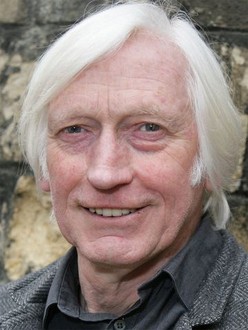
Richard Overy is Professor in History at the University of Exeter. Formerly Professor of Modern History at King’s College, London, his books include William Morris, Viscount Nuffield The Air War, 1939-1945 Dictators, The Dictators: Hitler’s Germany, Stalin’s Russia, The Nazi Economic Recovery, 1932-1938, Goering: The Iron Man All Our Working Lives (with Peter Pagnamenta), The Origins Of The Second World War, The Road To War (with Andrew Wheatcroft), War And Economy In The Third Reich, The Inter-War Crisis, 1919-1939, Russia’s War: A History of the Soviet Effort: 1941-1945, and The Battle: Summer 1940. He is a fellow of the British Academy and winner of the Wolfson History Prize in 2005.



0 Comments