


In 1979, shortly after the fall of the ‘Gang of Four’, China had an annual GDP of about US$149 billion. That made it a somewhat bigger economy than Australia with a GDP of about 118 billion. By 2021 however, China’s GDP had grown to about US$17.728 billion a year and it was snapping at the heels of the US as the world’s biggest economy. It was already the world’s biggest exporter.
If you had to nominate one change that defined the last 50 years it is, without any doubt at all, the rise of China as world power. That rise, combined with a new assertiveness under the regime of Xi Jinping, has generated a moral panic in certain quarters of the commentariat and has been seized on as an opportunity for a national security scare by both the governmental agencies tasked with this kind of stuff as well as denizens of the far right desperately hoping for a khaki election.
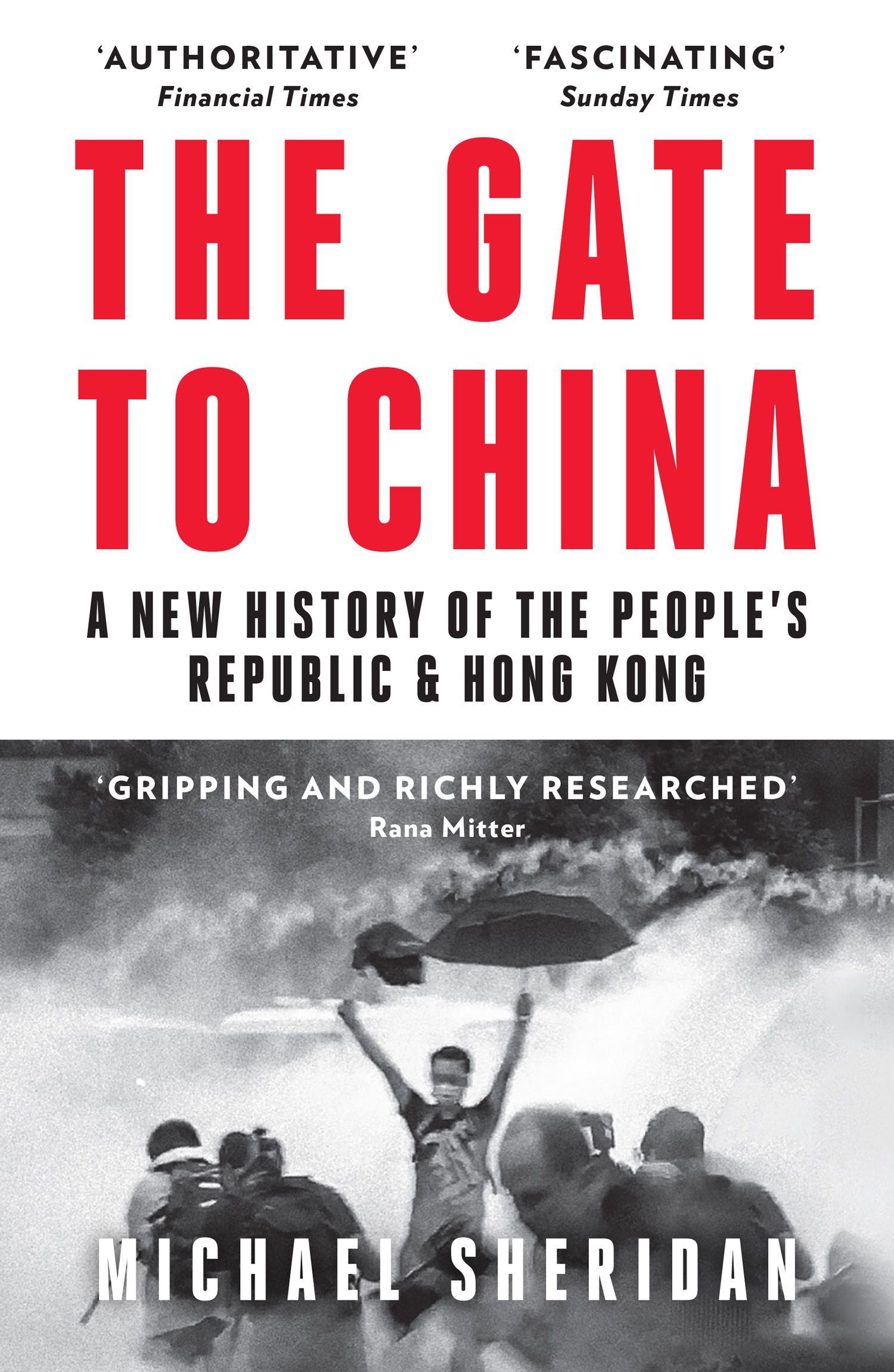
Well, how worried should we be? The answer to that question can only be informed by knowledge of China’s history and what that tells you about its real priorities and current agenda. In The Gate to China, journalist and historian Michael Sheridan provides us with real insight into how the People’s Republic transformed itself from the politically pure and totally impotent behemoth it was in 1979 into the dynamic albeit authoritarian colossus we now are dealing with.
Sheridan’s lens is Hong Kong, and it is the perfect departure point for understanding what we are dealing with. The ‘century of humiliation’ started there – with the Opium Wars and the unequal treaties of the 19th century as did the economic transformation introduced under the leadership of Deng and, very significantly the current Big Boss’s father, Zhongxun. As did the program of reintegrating lost territories.
Essentially, Deng and his like-minded allies looked to Hong Kong for ideas and capital when they created the special economic zone in neighbouring Guangdong in 1979. Xi Zhongxun ran the operation. The intricacies as to how a bunch of Maoists came to embrace Capitalism with Chinese characteristics are truly fascinating, and remember, most of the key players had spent long years in various form of detention or internal exile – they knew what the stakes were.
Sheridan is very clear that all of these decisions were about strengthening China – but a China that was firmly communist. Those Western commentators who thought the country would evolve into a Liberal Democracy were, sadly, either ignorant or deluded. So Xi Jingpin is following in his father’s footsteps and, if I were you, I would not invest in Taiwanese real estate.
It is also clear however that China’s ambitions are limited. This is a point made by every scholar who knows anything at all about the place – see Geoff Raby’s The Constrained Super Power and David Brophy’s China Panic. Debates about our response to China’s growing power really should focus on what we think should happen to Taiwan. Xi is not Hitler and this is not Munich. In that regard, the One China policy pursued by both Australia and our special friend the US does make it rather awkward – we conceded China’s right to rule Taiwan (albeit not physically control) two generations ago. Highly recommended as an antidote to the tsunami of BS surely headed our way on this subject.
Reviewed by Grant Hansen
ABOUT THE AUTHOR
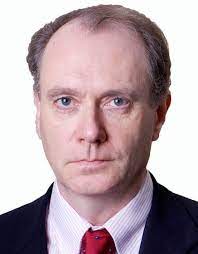 Michael Sheridan has combined a career as a journalist with that of theatre director. He has written extensively on the Sophie Toscan du Plantier murder and the Garda investigation. Michael was also the main screenplay writer for the film When the Sky Falls based on the life and death of journalist Veronica Guerin.

0 Comments