




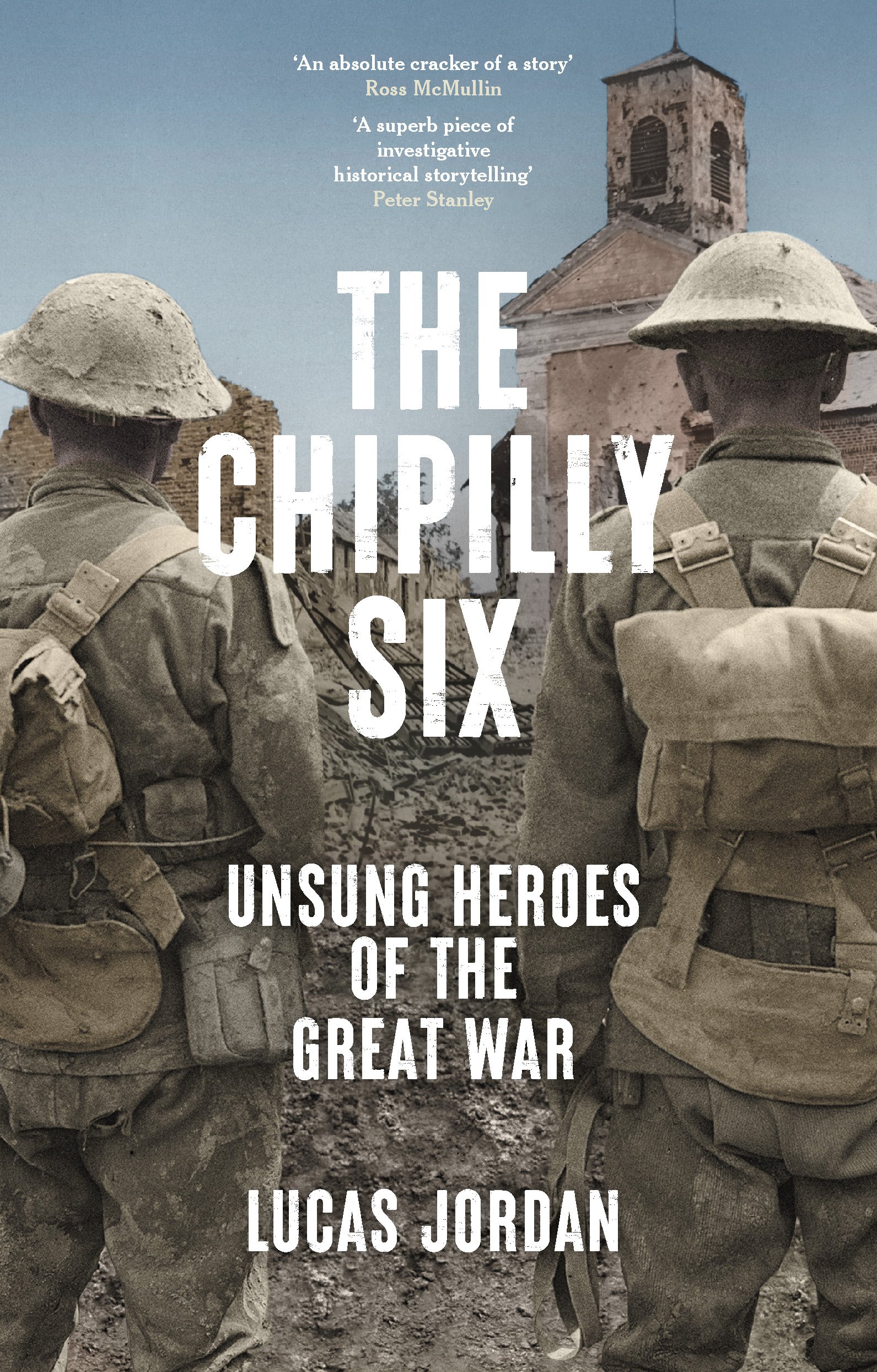
I found this a most interesting book about the action that took place on the Chipilly Spur in Northern France in 1918. Although this is more than a book about war. It is also a social history of Australia from 1918 through to the 1950s as the author follows through the story of the six men who stormed Chipilly Spur.
The story of Chipilly has been lost for several reasons, including political. It is a story which needs to be remembered. In August of 1918 six Australians captured 71 prisoners and nine machine guns, opening the way for a British Division to occupy the spur and further push back the Germans as part of the Allied offensive, bringing about the withdrawal of German troops to the Hindenburg Line (their final stand). How the men got to that point and what they accomplished is the first part of the book. It is interesting to note that Monash, the Australian Commander, comes out of this incident in a less than favourable light.
The second part of the book follows the six men back to Australia. Jordan weaves together not only the story of the men, but also the history of Australia from the war’s end to the 1950s. It tells the difficulty many of the returned soldiers faced in a time when PTSD was unknown, and soldiers were expected to integrate themselves back into their families, and society in general. ‘Many young men survived the war but not the peace.’
The book also highlights the importance of the RSL (and its variations) in helping the men survive and, in some cases, prosper. It was an essential service during the depression when many of these ordinary soldiers found themselves out of luck and work.
The Chipilly Six is a well-researched and written book, which does more than indicated by its title. It reveals not only the bravery of the men at war, but also the struggles they faced at home in an Australia which had irrevocably changed.
Reviewed by Anthony Llewellyn-Evans
 More about the author Lucas Jordan
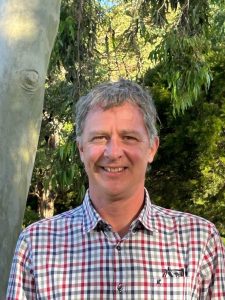
Lucas Jordan grew up in Burekup in Western Australia and holds a PhD in History from the Australian National University. Lucas spent more than a decade teaching and researching in the Kimberley, Cape York and central Australia and co-wrote Amnesty International’s global report ’The land holds us: Aboriginal peoples’ right to their traditional homelands in the Northern Territory’, which was based on six years of collaboration and camping with the Alyawarr and Anmatyerr people of the Northern Territory. Lucas is currently a leading teacher at Western English Language School, a secondary school for new arrivals and refugees in Melbourne, and occasionally consults on history projects. He is the author of Stealth Raiders: A few daring men in 1918.



0 Comments