



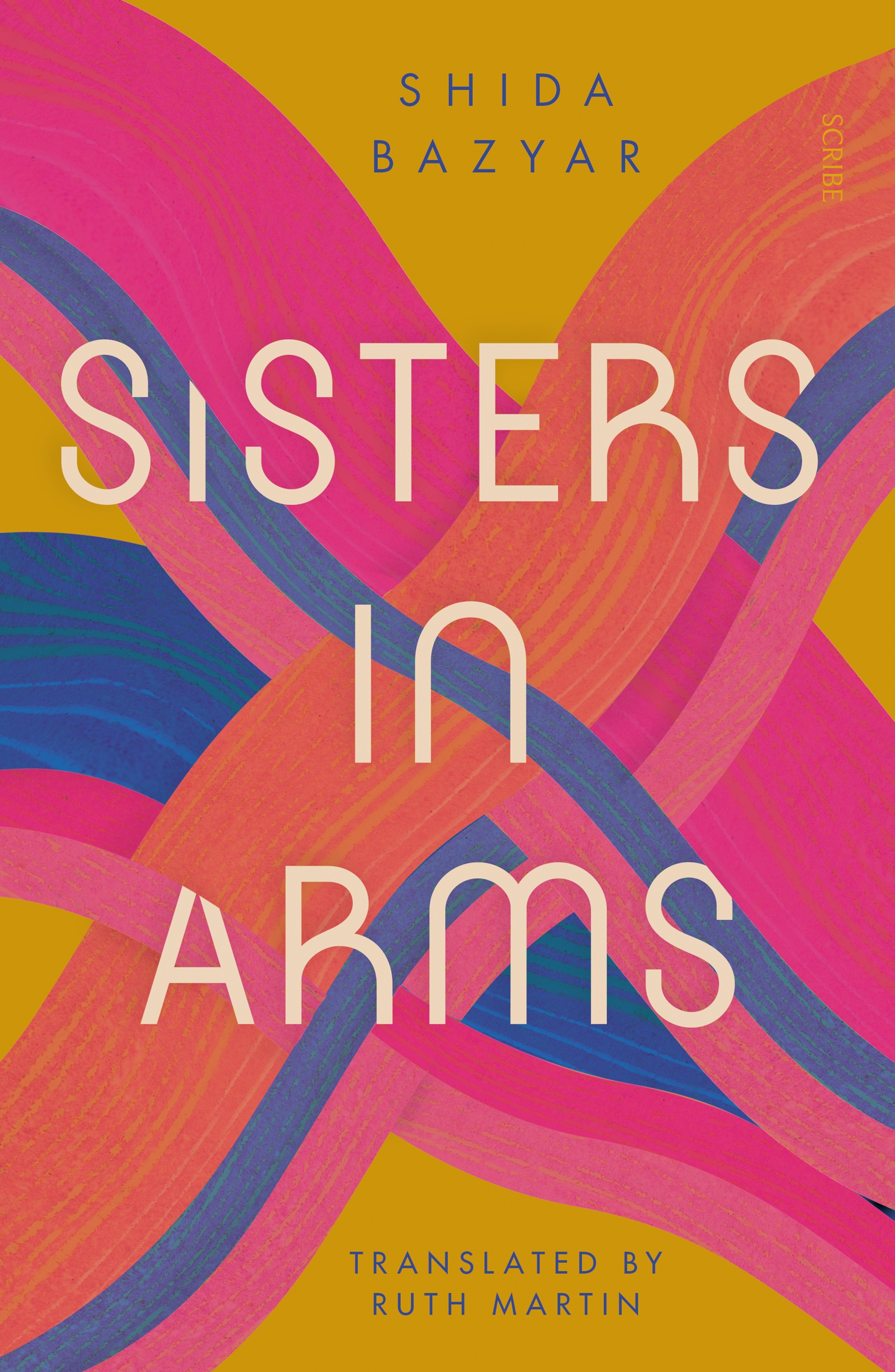
We first meet Saya through a damning German newspaper article presuming her guilty of arson and murder because of her angry personality and ‘left-wing leanings she liked to flaunt’.
Saya, Hani and Kasih have been friends since childhood. Now they support each other’s needs through the challenges of growing up in migrant families in Germany. We’re not told their country of origin which makes their stories more generally applicable. Kasih uses a stream of consciousness style to track the fluid mental states of herself and the other characters affected by Saya’s volatility.
Saya is quick to anger, constantly provoking people about injustices. She keenly feels any different treatment from ‘racist Germans’, as she calls them, because of her origins.
She is absorbed in the TV coverage of the trial of Nazis who killed 22 migrants. Kasih says Saya would be better off if she had never seen it.
The twist at the end packs quite a punch as Kasih questions our judgmental attitudes.
Sisters in Arms is very readable, conversational and entertaining while still exploring some shocking truths and challenging our prejudices.
Reviewed by Judith Grace
ABOUT THE AUTHOR
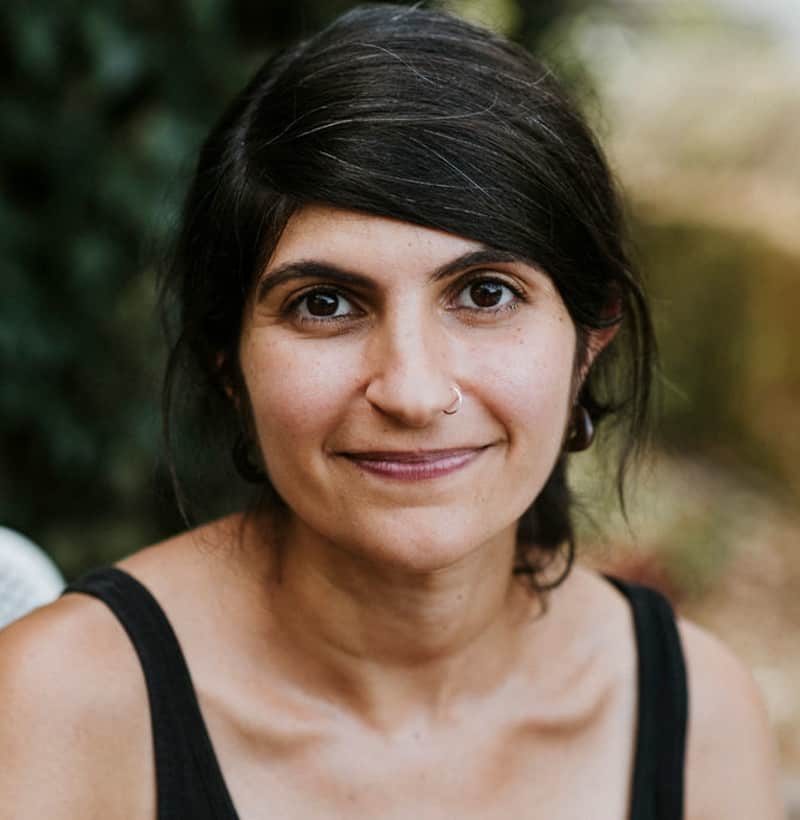 Shida Bazyar’s was born in 1988 in Hermeskeil, Germany, studied creative writing and arts journalism in Hildesheim. Her debut »Nachts ist es leise in Teheran« (2016; tr. At night it’s quiet in Tehran), tells the story of an Iranian family and their emigration to Germany. Bazyar works as an educational visor for young people interested in doing a Freiwilliges Ökologisches Jahr, a year of voluntary environmental work.
She has received scholarships from the Klagenfurt Literaturkurs and the Heinrich Böll Foundation.debut novel Nachts ist es leise in Teheran won several awards and been translated into Dutch, Farsi, French and Turkish.
Her second novel, Sisters in Arms, won the Ernst Toller Award and was nominated for the German Book Prize.



0 Comments