




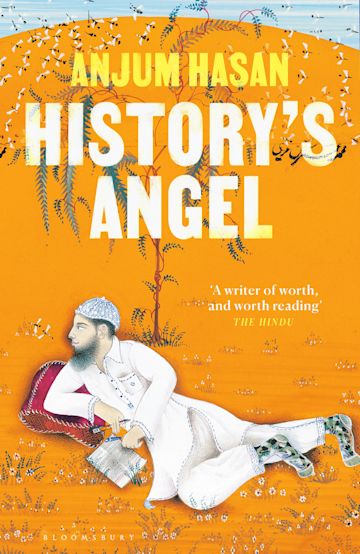
Alif is an idealistic history teacher of nine-year-olds in Delhi. He is an Indian Muslim, living through a time when those who stayed in their home city after the Partition, are treated as pathetic victims or dangerous threats by a Hindu majority.
Alif doesn’t see himself as either. He simply wants an undisturbed life. However, his tender passion about the history of his people, the living stories, can move him to tears. He sees his responsibility to teach his class about the heroes of the past, to understand their own life stories in the rise and decline of States.
When on a school field trip to view the ancient Moghul monument, Ankit, an uncooperative student, calls Alif a ‘dirty Muslim’. Alif squeezes Ankit’s ear and their Hindu rickshaw driver witnesses this. The consequences dramatically change Alif’s life. His new female principal, who can’t spell the word ‘historical’, divides the staff loyalties and Alif’s job hangs by a thread.
Alif’s lively, informative conversations with his family, friends and colleagues enlightened my understanding of India’s history. Even though Alif is apolitical, he challenges proposed new laws for Muslims. References like this point to real world politics.
Domestic and romantic problems and violence in his own family interrupt Alif’s passion for the past. He is History’s Angel, his wings remorselessly propelling him towards the future.
But the Angel grieves for the past glory of Delhi and would like to make it whole again.
Sadness is mixed with dark humour. Read History’s Angel slowly to appreciate its deep historical perspective, its sensuous imagery of Delhi, its erudite language, and its poetry and philosophy that sustain Alif.
Reviewed by Judith Grace
ABOUT THE AUTHOR
 Anjum Hasan is an Indian novelist, short story writer, poet, and editor. She graduated in philosophy from North-Eastern Hill University in Shillong, Meghalaya. She currently lives in Bangalore, Karnataka, India.



0 Comments