




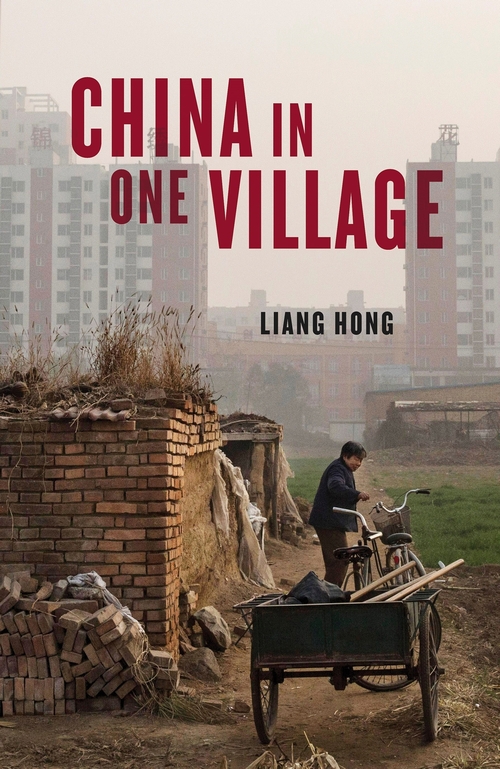
This account of life in a Chinese village by a former resident, a professor of Chinese literature at a Beijing University, was first written and published more than 10 years ago. Since then she has written a second book, about the villagers who leave home to find work elsewhere; and her plan is to complete a book about the village every 10 years until she dies, to observe the changes to and within the village.
This first book, which began as a travel diary when Liang Hong went home for an extended stay, eventually included field investigations and anthropological oral histories and was a bestseller in China.
The author belongs to a prominent clan in the village, the Liangs, providing insight into the Chinese system of nomenclature, such as Third Uncle and Eldest Brother. The way of life she knew as a child is rapidly disappearing in that village in the mostly agricultural Henan Province, in central China. Young people leave to work, with couples sending any children they have back to grandparents in the village.
Liang conducted extensive interviews with villagers, including her own family, and local officials, but in transcribing every word, the accounts do become turgid and repetitive. She is candid in her accounts of children being raised without their parents and, with the village school closed, there are little educational opportunities.
This book is a window into rural China and contemporary Chinese society, and what Liang describes a ‘psychological homelessness’. The countryside is where most Chinese come from, but the changes, both physical and cultural, make them wonder about its fate.
Reviewed by Jennifer Somerville
ABOUT THE AUTHOR
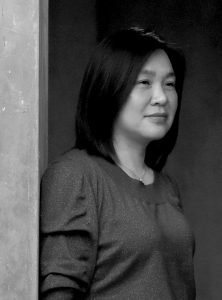 Liang Hong is a professor of Chinese literature at Renmin University in Beijing, Liang Hong’s literary career has spanned criticism, reportage, and fiction. She is known for her scholarly research on 20th century Chinese literature, but true fame came to her with the 2010 publication of China in One Village, which melds personal history and sociological study, and found an enormous readership, selling over a quarter of a million copies. It was followed in 2013 by leaving Liang Village, establishing Liang Hong’s reputation as a deft observer and chronicler of China’s changing society.
Since that time Liang Hong has been the recipient of many awards and honors. More recently she has published a collection of short stories, entitled The Sacred Clan, and two novels, The Light of Liang Guangzheng and Four Forms.



0 Comments