




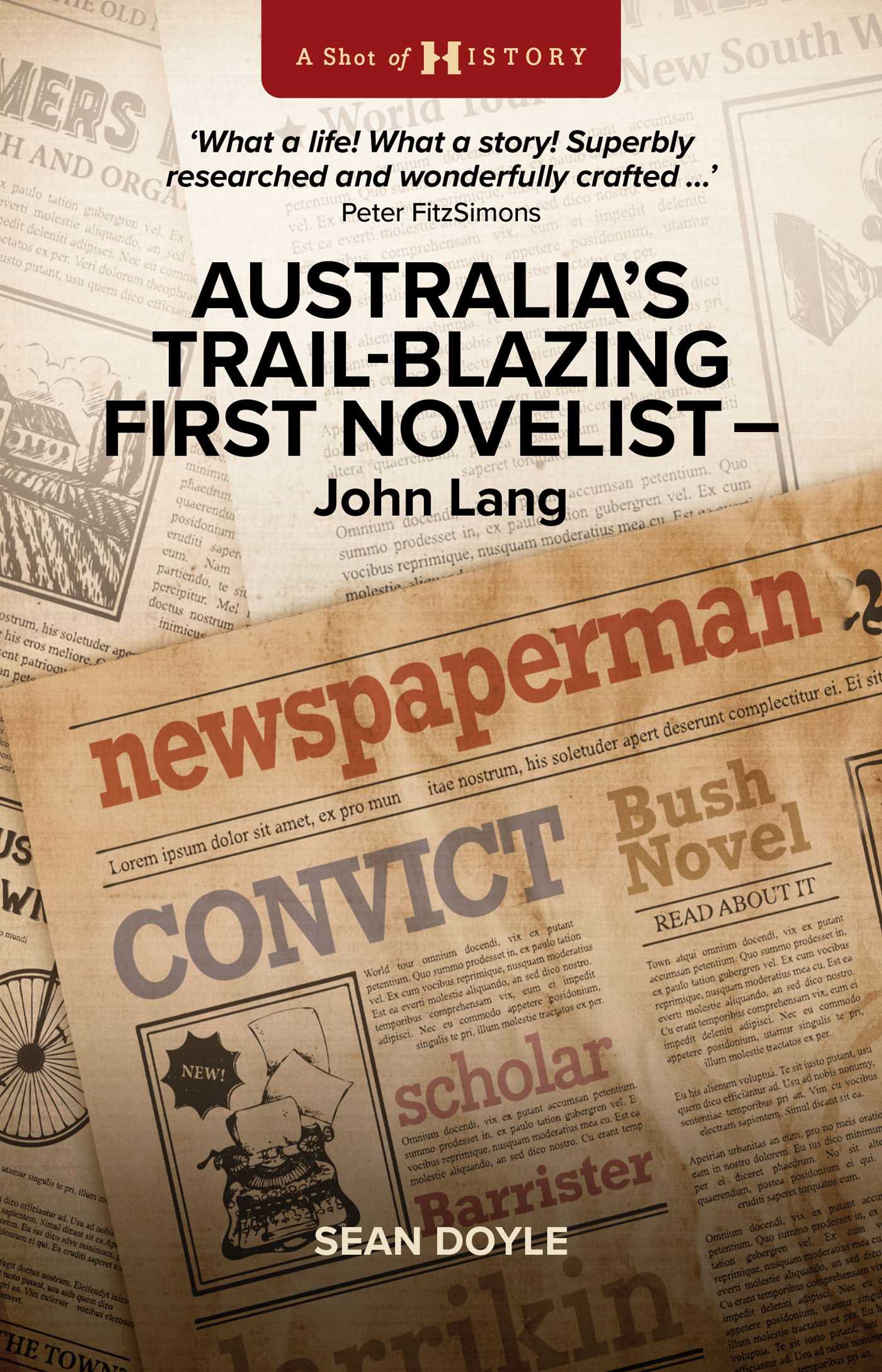
As the son of a maritime merchant, who died before Lang’s 1816 birth in Sydney, and a mother with convict heritage, John Lang grew up in what Doyle describes as the ‘apartheid society’ of colonial Sydney. The native-born ‘currency’ lads and lasses, along with the ‘emancipists’ of convict background, were considered inferior by British-born citizens.
His mother, widowed with two small sons, married a shipping merchant widower with four children and proceeded to have six more. As a schoolboy, he had poems published, and in 1836 had a novel published anonymously in London, the first by an Australian-born writer. Sent to Cambridge University to study law, he was asked to leave because of bad behaviour. Doyle paints Lang as a loner determined to stand out from the crowd.
Returning to Sydney as a barrister, married to the granddaughter of a baronet, he alienated colonial leaders. He left for India with his family, but his family soon returned to England alone.
India gave Lang his best adventures. He founded a newspaper, keeping the East India Company (EIC) in its sight. He roamed the country, speaking its languages, and writing about it. He became the first barrister to defeat the EIC in a law court. Lang achieved many ‘firsts’ but behavioural oddities dogged his life until his death at 47.
Doyle has undertaken a wealth of research with Jack Lang to tell this rollicking yarn, bringing to life a forgotten Australian writing pioneer.
Reviewed by Jennifer Somerville
ABOUT THE AUTHOR
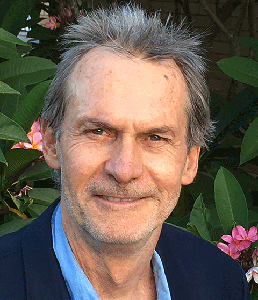 After completing a History and Literature (Hons) degree at Sydney University, Sean Doyle took to the Asian, especially Indian, road. His travels over the years have produced two Indian memoirs: Beyond Snake Mountain: A journey in Rajasthan and Night Train to Varanasi: India with my daughter. Formerly an English-language teacher and a travel journalist, Sean is now a book editor. He lives in Northern NSW, where he loves to bodysurf and amuse his granddaughter.



0 Comments