


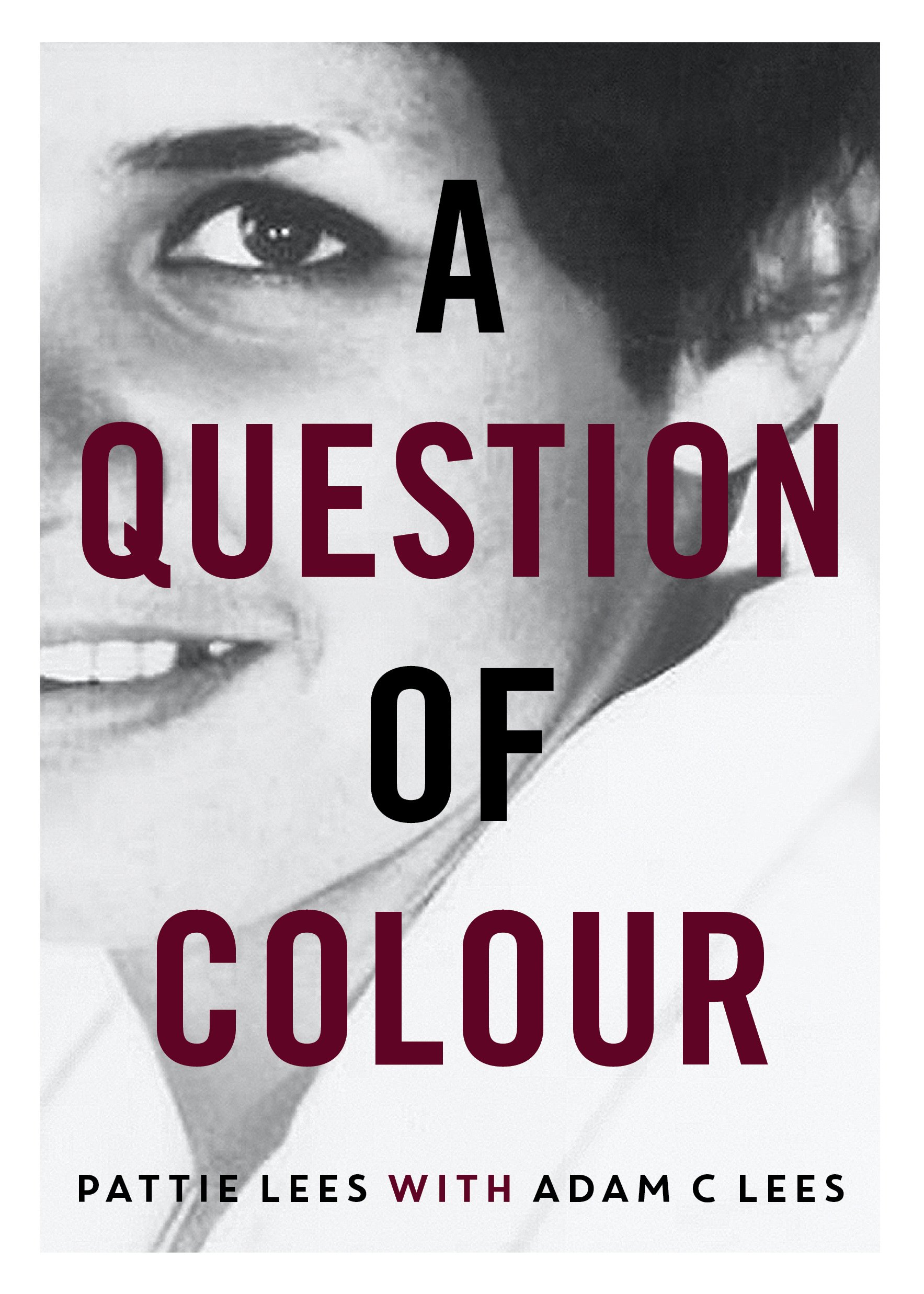
Pattie Lees and her four younger siblings were part of the Stolen Generations. Lees’ personal account of her journey back to belonging is both tragic and inspiring. It reveals a shameful era in Australian history where Lees and her family did not have the freedom to determine their own identities as their welfare was determined by varying degrees of colour, on others’ perceptions of white versus black blood.
However, this is not just history. Aboriginal and Torres Strait Islander children are still being removed from their families in record numbers.
Lees’ extensive research traces her mum’s mixed ancestry of Melanesian, Filipino and Aboriginal, her early family life from Mer (Mabo’s birthplace) to Thursday Island and, after her marriage, to Babinda in Queensland. Her mum never gets back to ‘home’ to Torres Strait. Instead, her sad struggles begin.
Fierce domestic violence and betrayals lead to divorces and separations from her non-Indigenous partners. Her mum is grief-stricken, becomes depressed and her alcohol consumption becomes extreme, to numb out the harshness of life. She goes to work to provide for her five children and Pattie becomes her ‘little Big Girl’, at 10 years old. Despite being in deep poverty, Lees has heartwarming, fun-filled memories of childhood, of supporting each other.
But they are separated from their mum, a deeply moving scene, and placed in State ‘care’. The youngest are fostered and Pattie and her brothers are sent to Palm Island, where she experiences a huge culture shock, being ostracised for her whiter skin.
Lees makes tragedy uplifting and even witty at times without minimising the harm done. Her desire to belong and shape her identity draws the broken strings together in the final chapters.
Reviewed by Judith Grace
0 Comments