




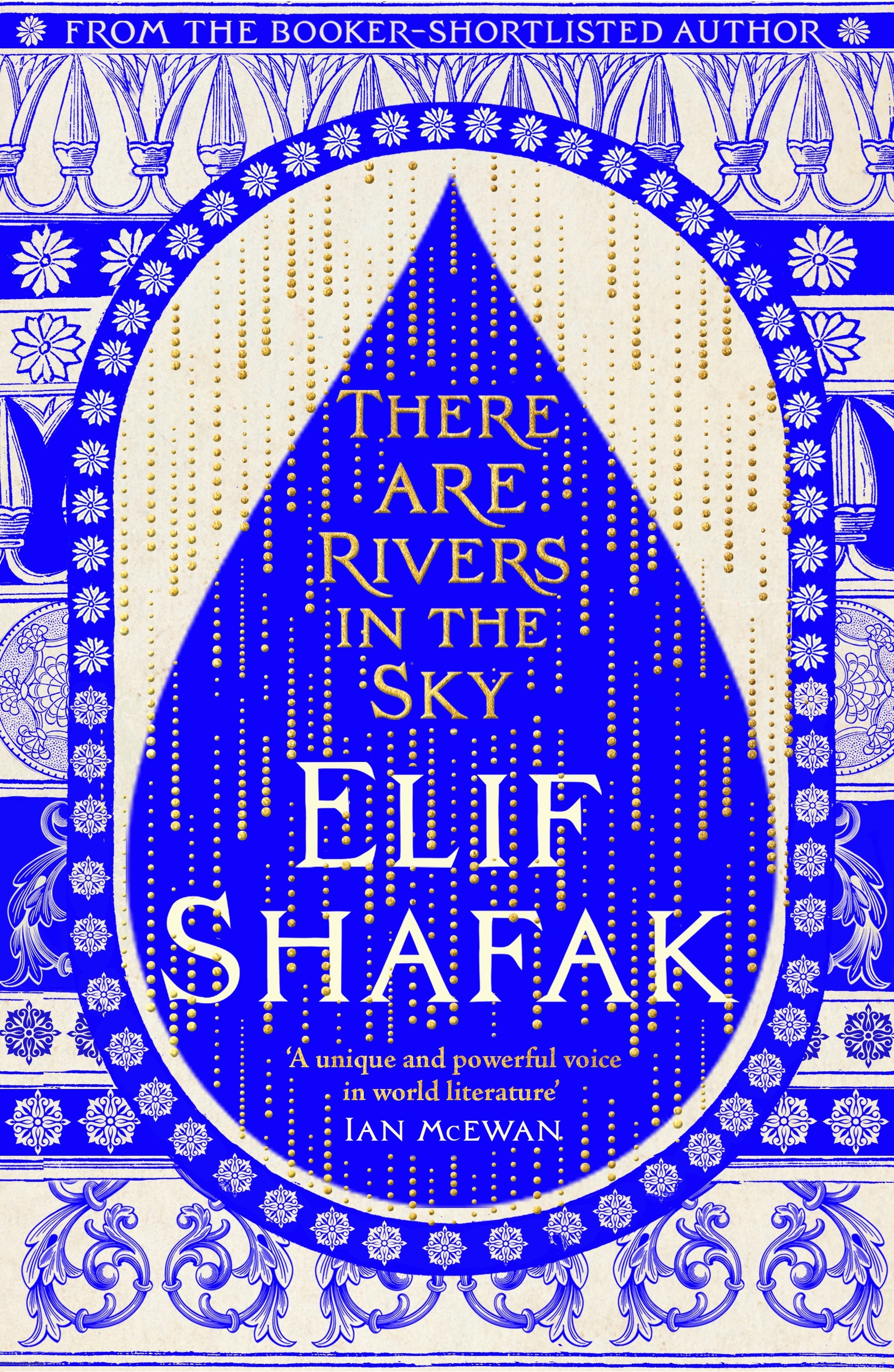
One of the characters in this remarkable novel says in a speech to a gathering of British statesmen, ‘the story of humanity cannot be written without the story of water’. Shafak herself describes the book as ‘a love poem to water’. While the theme of water predominates, Shafak’s storytelling powers are such that she weaves many other themes into the tale.
And what a tale it is, spanning centuries and featuring three different protagonists from different time periods and places. While they follow destinies that could hardly be more divergent, they’re linked both by a single drop of water and a fabled poem, ‘The Epic of Gilgamesh’, which originated in the ancient city of Nineveh in the time of King Ashurbanipal and has intrigued scholars ever since. Arthur, born to abject poverty in Victorian England but so gifted in memory and language that he becomes a translator of cuneiform tablets at the British Museum, travels to Nineveh on an archaeological mission to find the remaining fragments of the poem.
Narin, a young Yazidi girl, lives with her grandmother beside the River Tigris in 2014 Turkey unaware that their lives are about to be disrupted by the genocidal onslaughts of ISIS. While in 2018 London Zaleekhah, a hydrologist, flees a disintegrating marriage to live on a houseboat on the Thames. By the end of the book all three will become unexpectedly united.
Shafak has a gift for storytelling that combines Eastern and Western traditions. She blends mythology with modern day dilemmas in exploring themes of exile, the fate of the marginalised, water crises, persecution, genocide, displacement and the role of oral culture in educating women and girls. While her political and gender views strongly influence her fiction, in this book they don’t detract from a compelling story told in the kind of evocative and picturesque prose that’s a hallmark of her writing.
Reviewed by Anne Green
ABOUT THE AUTHOR
 Elif Shafak is an award-winning British Turkish novelist whose work has been translated into 55 languages.
The Island of Missing Trees, was a top 10 Sunday Times bestseller, a Reese Witherspoon Book Club pick and was shortlisted for the Costa Novel Award and the Women’s Prize. Her previous novel 10 Minutes 38 Seconds in this Strange World was shortlisted for the Booker Prize and the RSL Ondaatje Prize; longlisted for the Dublin Literary Award; and chosen as Blackwell’s Book of the Year.
She is a Vice-President of the Royal Society of Literature. Shafak was awarded the Halldór Laxness International Literature Prize for her contribution to ‘the renewal of the art of storytelling.



0 Comments