



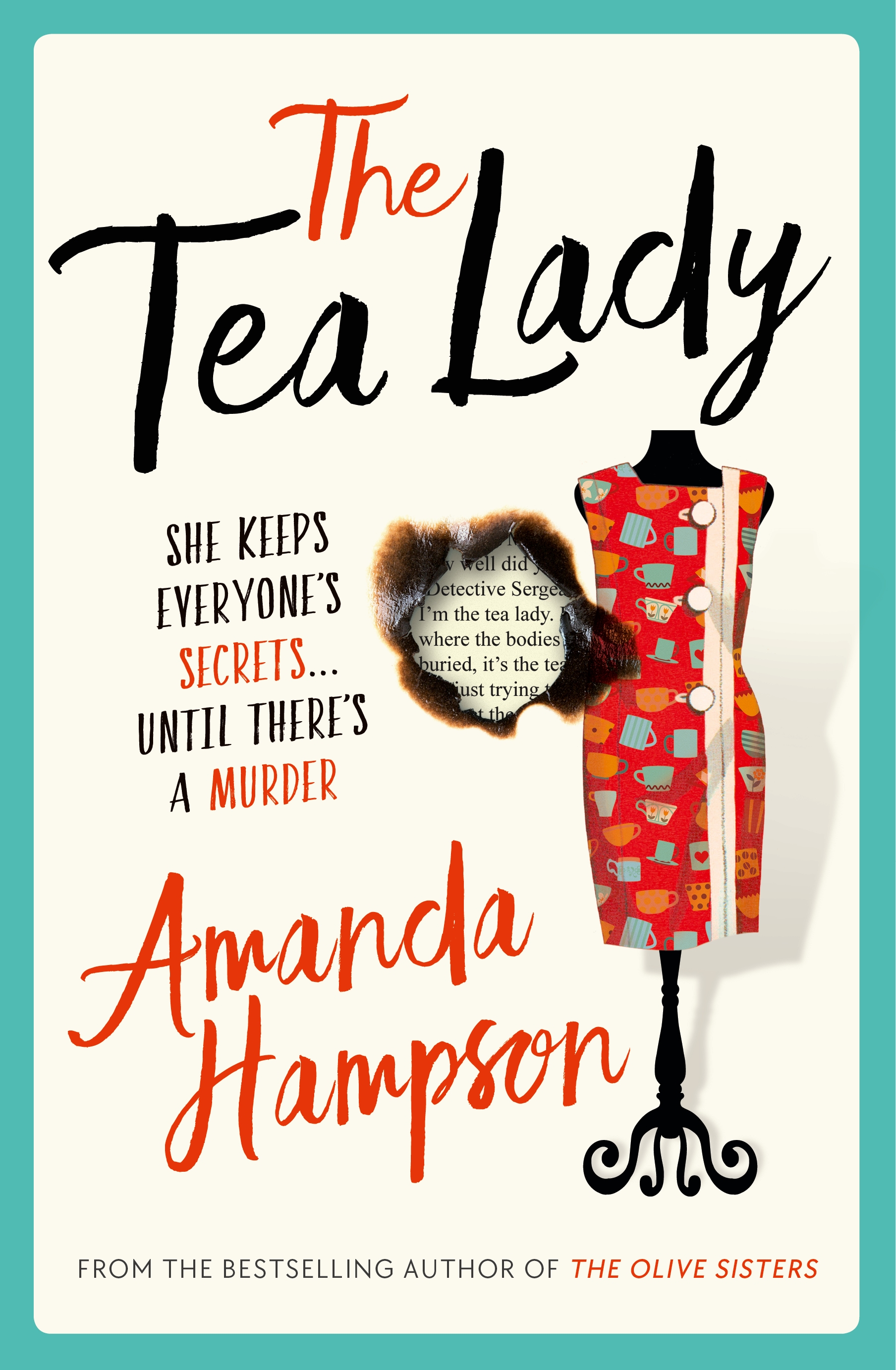
In 1965, Sydney’s Surry Hills district was the centre of a bustling rag trade. Several design and manufacturing firms had premises there, so it was an industrial area with back lanes and old buildings. It is in this location that The Tea Ladies is mainly set.
Hazel Bates is a tea lady. She and several friends work in different companies providing morning and afternoon tea to the workers on the shop floors and the office staff and executives on the higher levels. As they are part of the ‘furniture’, they often overhear and see things not meant to be shared.
Hazel discovers a dead body one evening, a few days after catching sight of a mysterious woman in an abandoned building that is later the subject of an arson attack. She is sure the incidents are linked, but the police seem disinterested. Hazel also starts to have doubts about her husband, who spends part of his week working in Grafton and the weekends with her.
The tea ladies band together to find out more about the murder, the missing woman, the corrupt police and Hazel’s husband. In addition, embezzlement at the company Hazel works for has put them in a perilous position, but the managing director’s granddaughter has plans to save the firm.
It’s a busy plot and there are lengthy meetings of the tea ladies. Although some judicious pruning would have tightened the narrative, the setting is intriguing.
Reviewed by Lynne Babbage
ABOUT THE AUTHOR
 Amanda Hampson grew up on a dairy farm in the back-blocks of Aotearoa New Zealand but her mother had a love of literature and classical music, so books and music were a part of their lives.
In high school, she had an English teacher. He was the published author of a slim volume of short stories. He was a crusty old chap with a dry sense of humour and was the only teacher who had her undivided attention. One day in class, he read aloud a short story by the American humourist, James Thurber. Amanda was absolutely enthralled by the style and the wit of Thurber’s writing and was weeping with laughter. When the story finished, she looked around to discover the rest of the class were unimpressed, wondering what was wrong with her. And she realised that none of them recognised the brilliance in Thurber’s work; that what fascinated her simply bored them.
In her 20s she began to write short stories but writing a novel was always her true ambition.
Everything else was a warm-up for the big event but, the more time that passed, the more intimidating it became. By then she was in my 40s, juggling work and two small children. Life was busy and full of distractions but it became clear to her that she was running out of time. She’d spent so many years getting to this point, she wanted my first novel The Olive Sisters to be the best work she could produce and really gave no thought to publication at all until it was finished. Between work and family life, she managed to find pockets of time to write. About 50 000 words into the book, she realised that she had the wrong protagonist and put that work aside and started again. In the second version the story flowed more easily.
If she could give any advice to budding writers she would always recommend being patient with yourself – allow yourself time to write your best work. It takes a long time to develop critical skills, find your natural writing style and understand how to polish your work. Publishers are looking for books that will engage and attract a readership, so try to move your focus away from publication being recognition of you as a writer, and concentrate on delighting readers, then you’ll come to the work with a different mindset.



0 Comments