




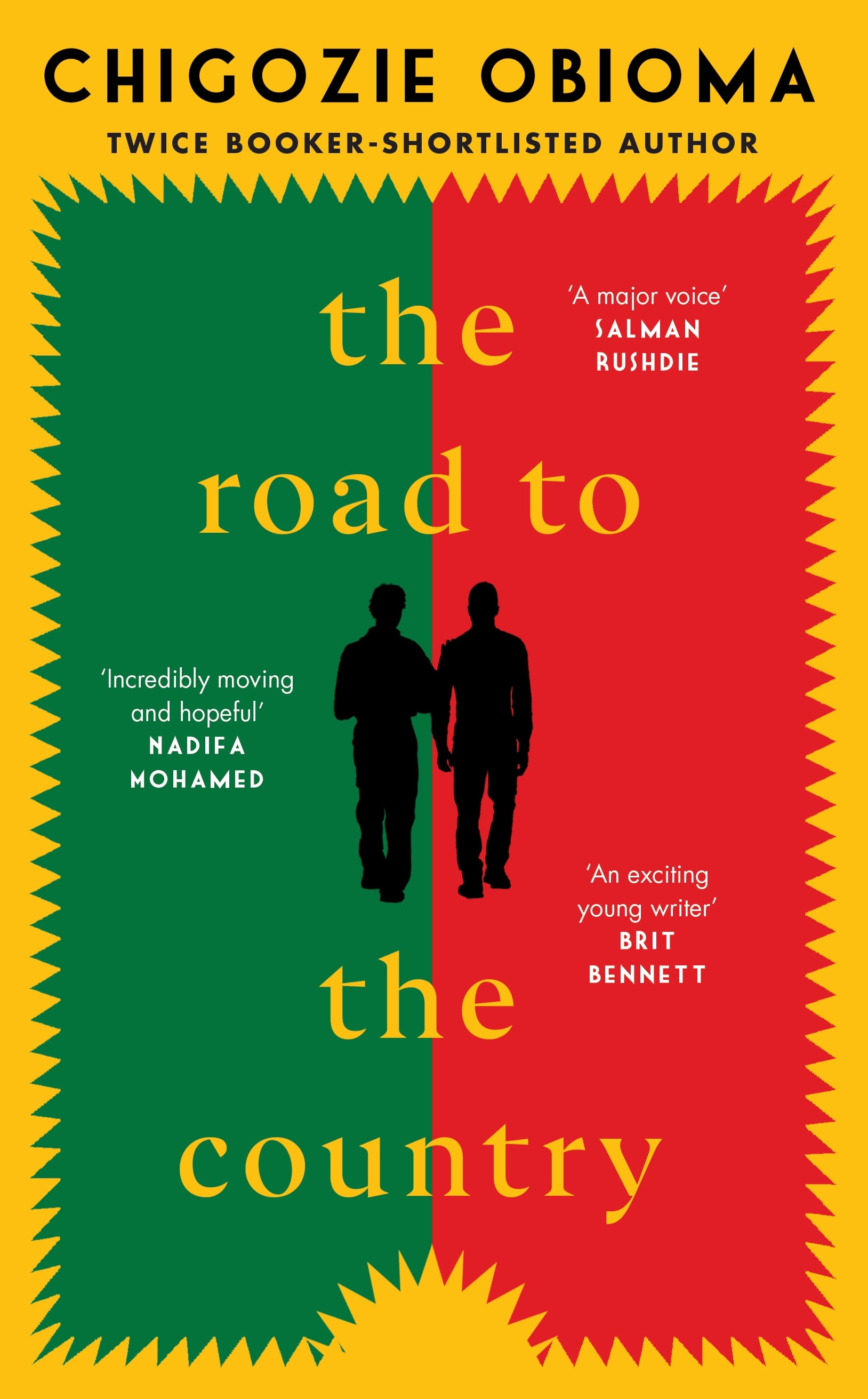
This remarkable novel is an epic tale of a young Nigerian man’s quest to find his younger brother Tunde. Kunle blames himself for a childhood accident that resulted in Tunde’s paralysis. As the story begins, Tunde has disappeared. As a gesture of atonement, Kunle sets out to find him. At the outset his mission is sidelined when he becomes unwittingly conscripted into the Biafran army. Set in the 1960s, the fictional story plays out against the real backdrop of the bloody and brutal Nigerian Civil War that caused the deaths of an estimated one to three million people, many of them children.
This is the third novel by Obioma, a Nigerian writer, whose previous novels both received great acclaim, including being shortlisted for the Booker Prize. Hailed as the successor to Chinua Achebe, Obioma is a powerful writer, whose insights into the post-colonial socio-political structure and culture of his country are enlightening. While his depictions of war and famine are harrowing in the extreme, readers will be gripped and moved by the fates of both Kunle and his country.
Interspersed with the real-time story is a mystical thread featuring Igbala, a Seer who can foresee the future and Kunle’s unborn life, and while such an element has become somewhat of a signature style for the author, I found it less convincing.
For those whose understanding of Nigeria’s Biafran War was shaped by outsiders, particularly the media’s exploitation of the plight of the starving Biafrans, the book is an astonishing and authentic retelling of history in fictional form.
Reviewed by Anne Green
ABOUT THE AUTHOR
 Chigozie Obioma was born in Akure, Nigeria.
His two novels, The Fishermen (2015) and An Orchestra of Minorities (2019) were shortlisted for The Booker Prize, making him one of only two novelists to be shortlisted for all their works. They have won about a dozen prizes including the FT/Oppenheimer Award for Fiction, an LA Times Book prize, Internationaler Literaturpris, an NAACP Image Award,and have been nominated for many others.
His books have been translated into more than 30 languages.
The Fishermen was adapted into an award-winning stage play by Gbolahan Obisesan that played in the UK and South Africa between 2018-2019.
He was named one of Foreign Policy’s 100 Leading Global Thinkers of 2015.
He is the James E. Ryan Associate Professor of Creative Writing at the University of Nebraska-Lincoln and divides his time between the US and Nigeria.



0 Comments