




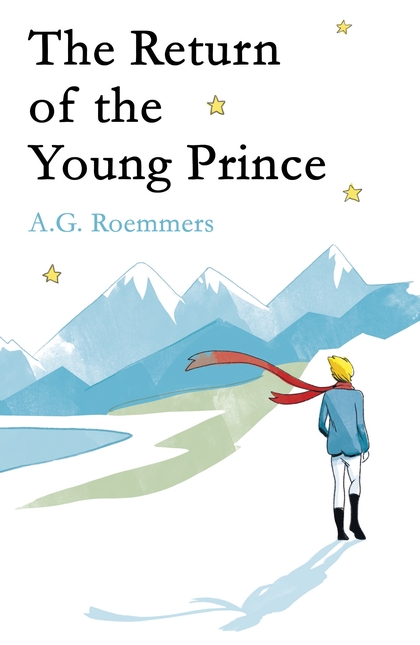
Antoine Saint-Exupéry’s 1943 novella The Little Prince, which told the story of a young prince who lived on faraway asteroid and longed for companionship, captured the innocence and naivety of childhood. The title character made an unforgettable impact not only on the story’s narrator but also on the lives of readers, regardless of their age. In The Return of the Young Prince, the narrator rescues a teenage version of the original prince from the side of a Patagonian road where he is sleeping, and the two take a journey that winds through countryside and mountains.
A G Roemmers captures the youthful optimism of the prince, but here the prince is not the focus. The attention in this story is, instead, on the narrator. The prince asks the narrator simple yet thought-provoking questions on the nature of problems, happiness and love, acting as a kind of Socratic guide for readers through Roemmer’s philosophical observations on life. This book is not a sequel, and that may disappoint some fans of the original tale who wanted to know about the fate of the prince. But it would have been impossible for Roemmers to continue the tale without cheapening the memory of the original story.
Instead of writing a sequel, Roemmers has written a response to the French masterpiece. The Return of the Young Prince has captured the essence of The Little Prince and brings to it a more mature and explicitly philosophical discussion. More of a tale for adults than children, the character of the little prince can still teach us a great deal about attaining spiritual fulfilment in the 21st century.
Reviewed by Emma Stubley



0 Comments