




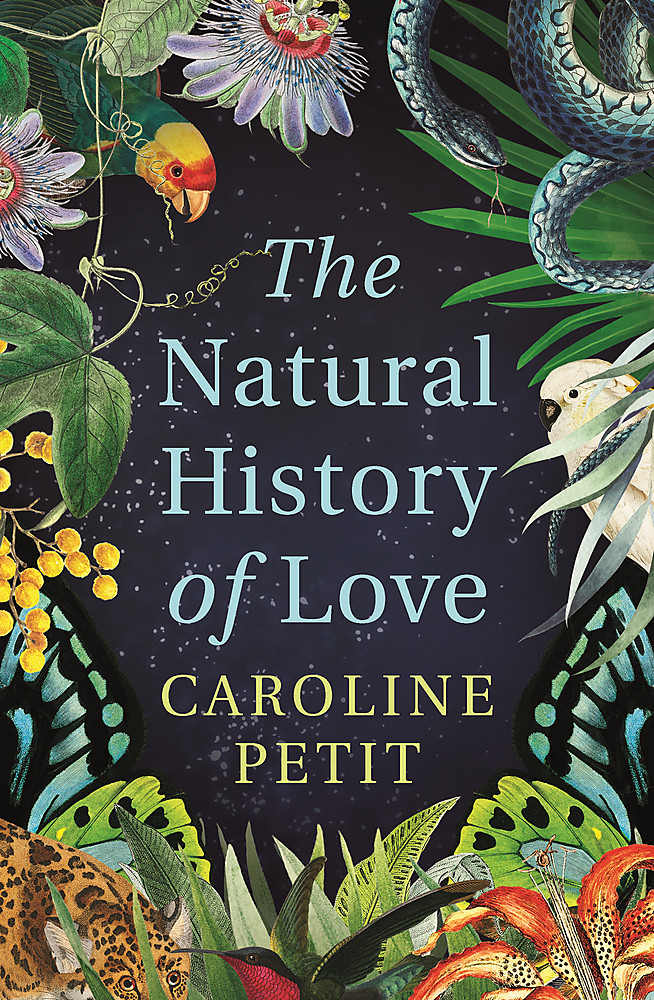
The theme of love in fiction can result in great literary classics.The best contain vividly realised characters, rich portrayals of the agony and ecstasy of love, flawed heroes from both sides of the equation, and are commentary on social and gender expectations of the time in which the story is set.That’s what you’ll find in Caroline Petit’s The Natural History of Love.
Based on the lives of the Count de Castelnau and his lover Carolina Fonçeca, this is a meticulously researched and wonderfully told, epic love story. It’s epic, because it’s multi-generational, vast in its geographic coverage (from the Brazilian rainforest, to the salons of Paris and on to Federation-era Melbourne) and in its deep exploration of the power of love (and science) to change lives.
Take Darwin’s transformative The Origin of the Species, throw in a little macumba black magic, and fabricated identities forced by an illicit love affair and illegitimate children, then add a dash of family madness. Frame it with a shared curiosity for the natural world and a passion for exploration and adventure. All the ingredients of a gripping story of love, loss, and the pursuit of happiness at great personal risk.
The idea that the seed for this story began with the destruction of historic Mayfield, the Count’s rural property in Mordialloc in Victoria, to make way for a concrete plant lends The Natural History of Love great portent. That tragic event led author Caroline Petit to explore the dusty files of a Melbourne legal firm and the fascinating untold story of Carolina Fonçeca,a voice which might otherwise have been lost.
Reviewed by Gregory Dobbs



0 Comments