



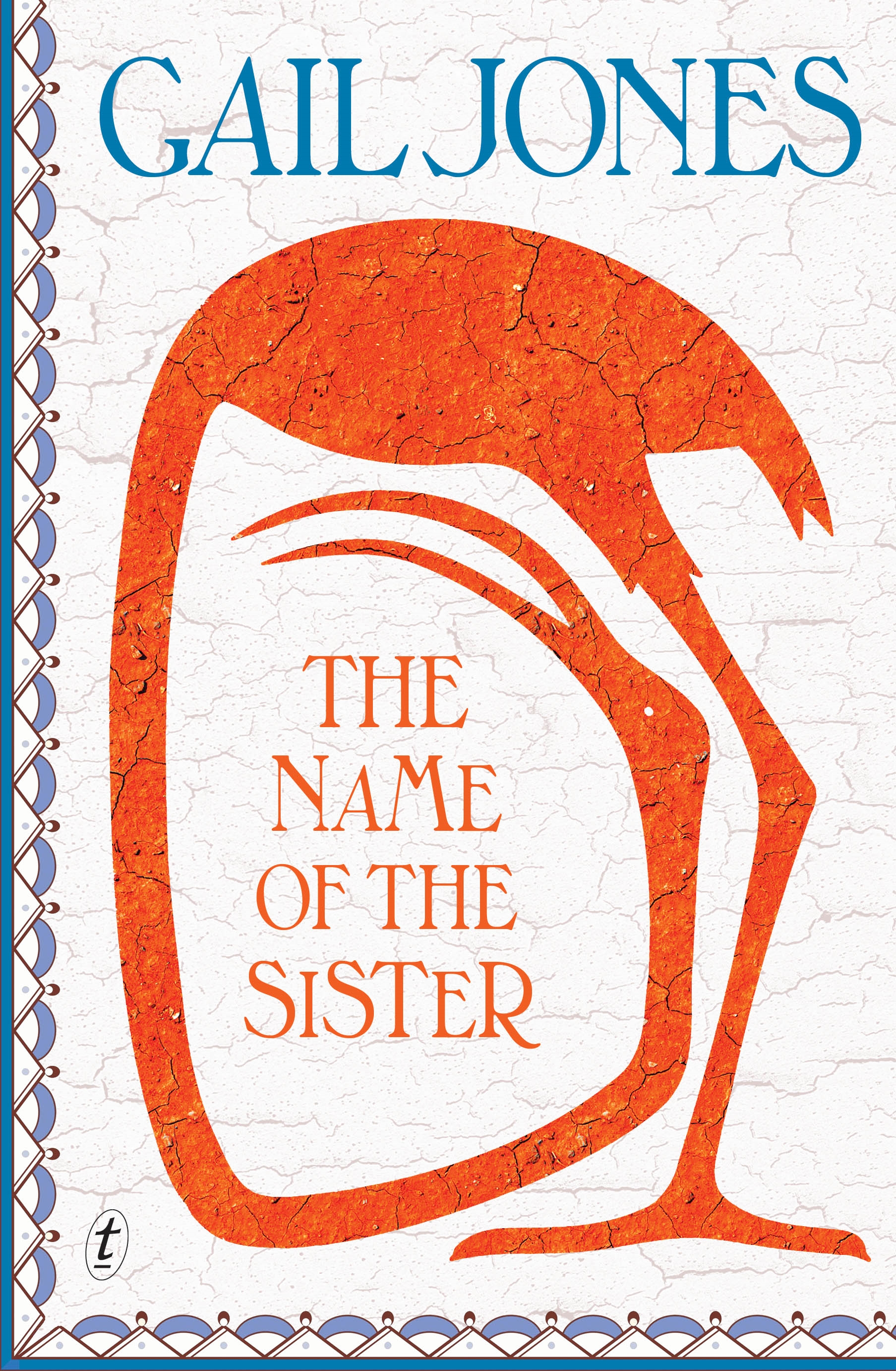
The Name of the Sister from Gail Jones is somewhat of a departure from her previous novels. With its Broken Hill setting, cast of rugged outback characters and missing persons theme, it’s rather like a Jane Harper for the intellectual reader. The story begins with the mystery of an unknown woman found wandering at night on a highway near Broken Hill, seriously traumatised and unable to speak. While the police suspect she’s the victim of a crime, there’s a dearth of evidence.
Angie is a freelance journalist who becomes intrigued by the story. As the case unfolds, media speculation intensifies, and social media explodes with conjecture. Angie’s best friend, Bev, is the policewoman in charge of the case, and as Angie becomes drawn into the mystery, she tries to extract information from her. As a compromise, Bev agrees to release Angie’s contact details to those who’ve come forward claiming knowledge of the anonymous ‘Jane’. In speaking to them Angie discovers the insatiable public appetite for claiming ownership of a missing person.
In another theme Jones explores the dynamics of the deteriorating relationship between Angie and her schoolteacher partner Sam. At first attracted to Angie’s reflective and analytic nature, Sam is now finding it annoying and is distancing himself from her.
Despite the more plot-driven nature of this novel, it displays the characteristic Jones brand of critical intelligence and preoccupation with how truth is an individual perception. As with her previous novel One Another, Jones highlights the theme of loss, in both identity and relationship.
Reviewed by Anne Green
Read a book review of Salonika Burning by Gail Jones
Listen to a podcast with Gail Jones about her book, Salonika Burning
ABOUT THE AUTHOR
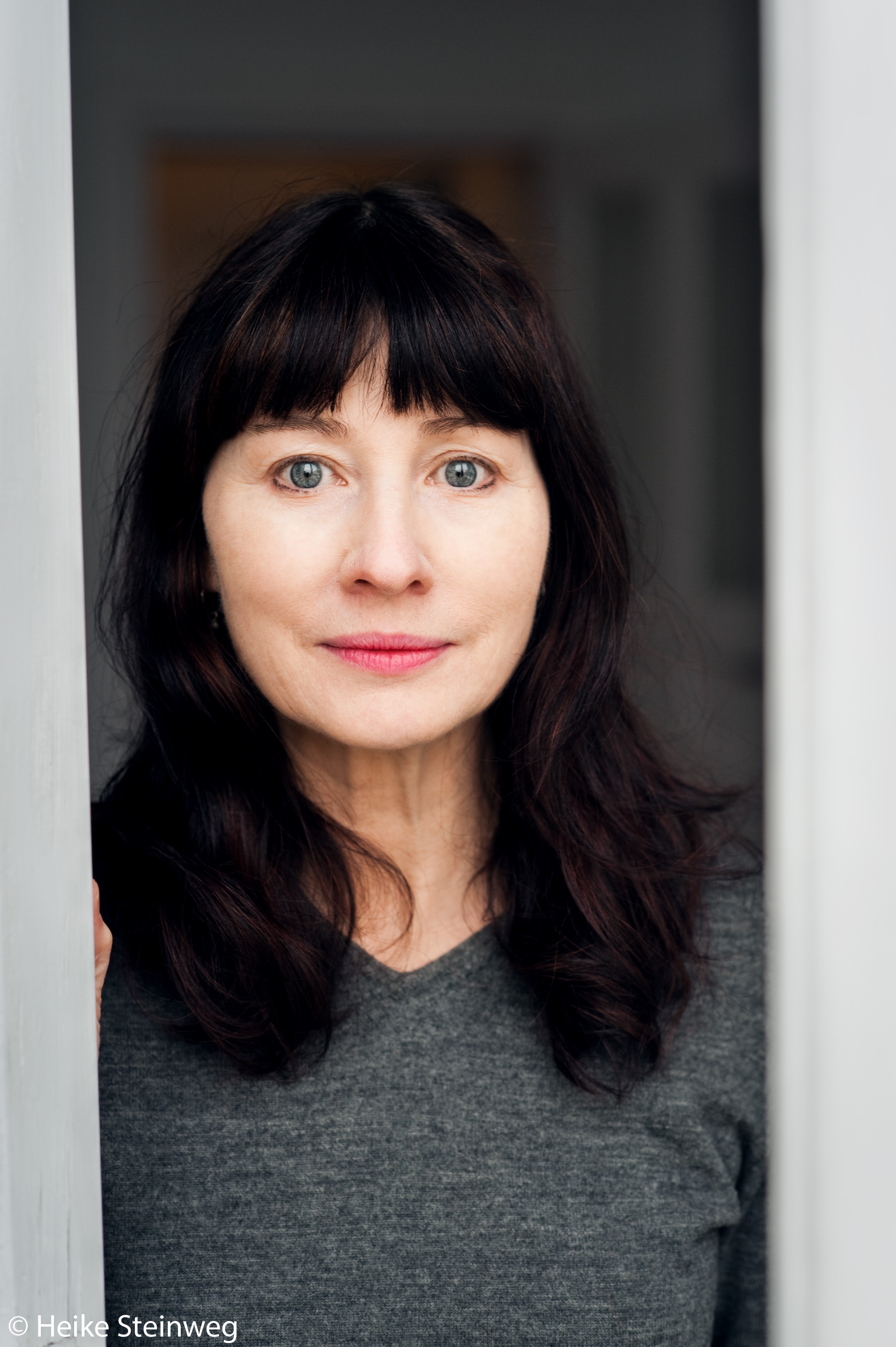
Gail Jones lives in Sydney and teaches at the University of Western Sydney. Her books have won numerous literary awards in Australia.
She is the author of two collections of short stories and five novels including Sixty Lights which was longlisted for the Man Booker Prize, Dreams of Speaking which was shortlisted for the International IMPAC Dublin Literary Award and longlisted for the Orange Prize, and Sorry which was longlisted for the Orange Prize.
0 Comments