




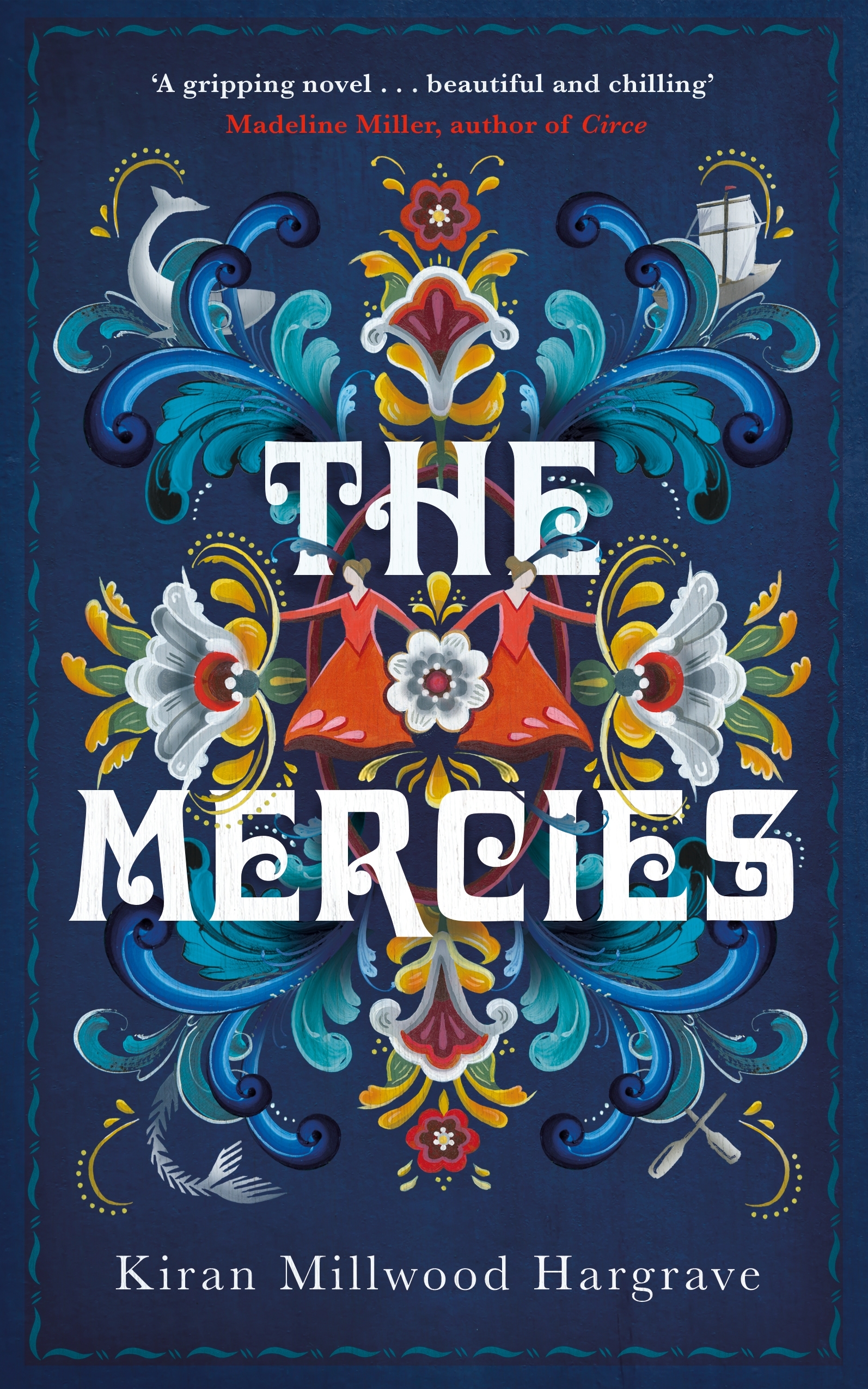
The Mercies is inspired by a remote Norwegian island called Vardø, where a sea storm killed 40 of the island’s men in 1617. At this time, King Christian IV was attempting to extinguish indigenous Sámi culture while cementing the Lutheran church’s influence in the region.
After the storm, the fictional Vardø transforms into an island of women. A power struggle develops between the trouser-wearing, reindeer-slaughtering Kirsten and Toril, a woman who wields ‘piousness like a blade’. Within this fraught atmosphere, young Maren grieves her losses while struggling against the enmity between her mother and her widowed Sámi sister-in-law. Just as the village settles into a brittle new status quo, Commissioner Absalom Cornet and his wife, Ursa, appear. Absalom – a brutal, pious witch-hunter – has been sent to bring order to Vardø.
This is a richly written, moody and suspenseful novel. It wears its research lightly and powerfully evokes the reality of both the frozen, barren harshness of Vardø and the stifling horror of living at a time when men, the church – and their ingratiating female allies – seek power by fuelling fear and irrationality. Once the mob is baited, no-one is safe. As Maren’s grief-maddened mother puts it: ‘Oh, God have mercy on us. We have begun it, and cannot end it.’
At times, Ursa’s and Maren’s awareness of the dynamics of patriarchy, the corruptness of the church, and their own budding homoerotic intimacy, seems anachronistically modern – but then, how can today’s reader judge this? The historical novelist’s task is to understand the utterly unknown private realities of people whom history trivialises, stereotypes, mutes, effaces or forgets. The Mercies is a brilliant attempt to take such an imaginative leap into unimaginable times.
Reviewed by H C Gildfind



0 Comments