




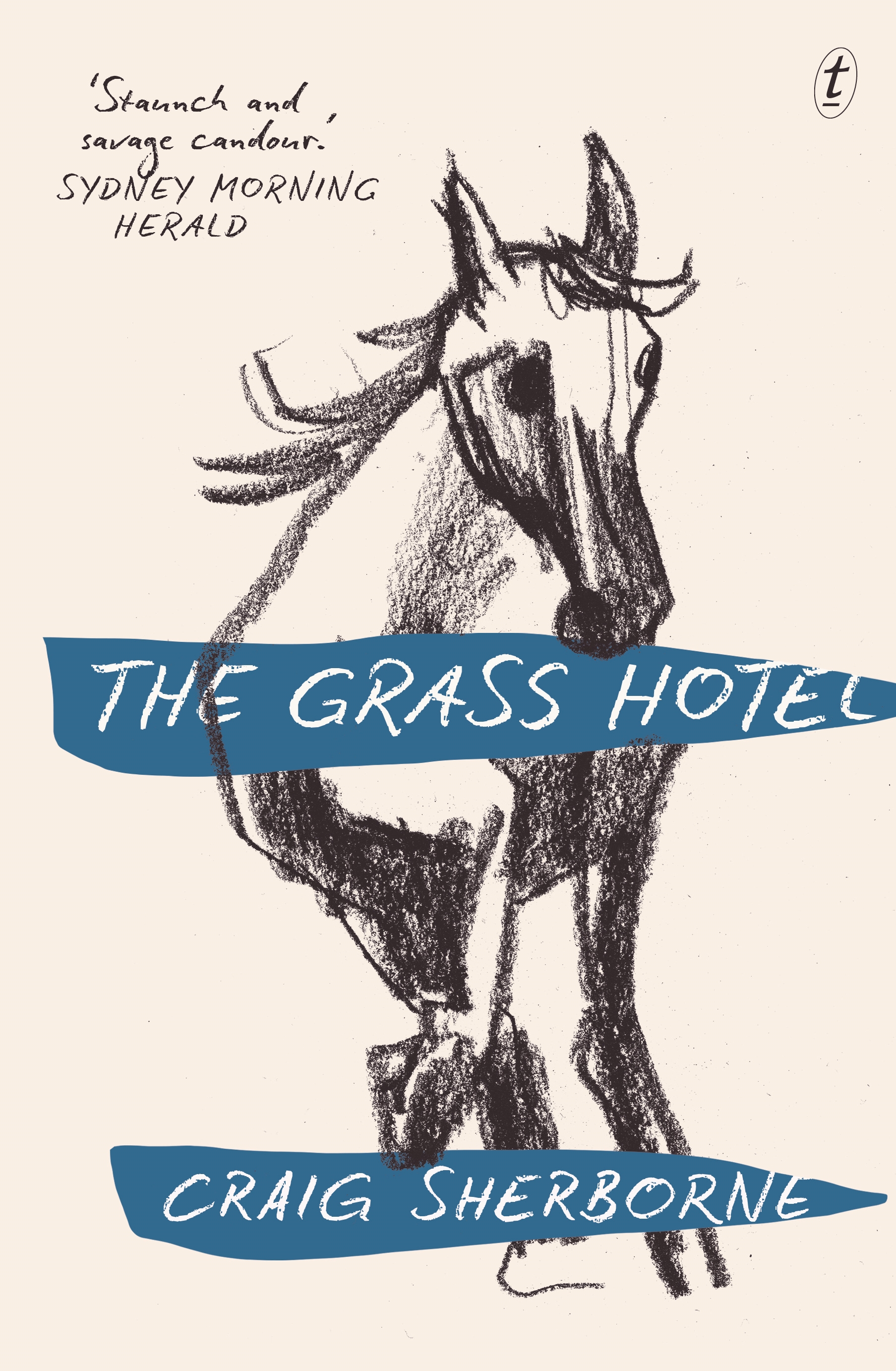
The Grass Hotel is narrated by a woman who slowly lost her mind and then her life to the terrible disease of dementia. She is talking to her only son who is an introvert, quite lonely, spends his days with his horses, who he has a special bond with. He is something of a horse whisperer. She is talking to him from the grave.
When the father dies and the mother’s dementia worsens, the son is left with little choice but to put her into care. Sherborne does an incredible job with the mother’s narration, losing cohesion as the dementia worsens and her vocabulary shrinks, words seem to vanish from her memory each day.
The mother has never been happy with her station in life, feeling she was destined for something better. She is terribly angry that her son has, in her eyes, abandoned her, and anger and resentment only grow as the dementia tightens its grip. She has lived with the disappointment of her son who she feels has never amounted to anything. She is bitter and ashamed.
As the son tends the horses at The Grass Hotel he carries a guilt with him, his mother’s voice in his head. In life they always had a love-hate relationship and the son could feel the mother’s disappointment, an albatross around his neck.
This is not an easy read, and quite dark, but it is brilliantly written and very short. I would recommend you read it a second time. The way Sherborne takes the reader into the mother’s dissolving mind is tremendous.
Reviewed by Neale Lucas
ABOUT THE AUTHOR
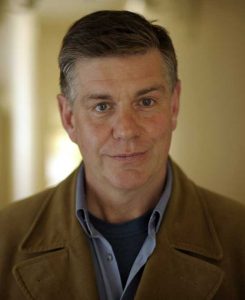 Craig Sherborne’s memoir Hoi Polloi was shortlisted for the Queensland and Victorian Premier’s Literary Awards. The follow-up, Muck, won the Queensland Literary Award for Non-fiction. Sherborne’s debut novel, The Amateur Science of Love, won the Best Writing Prize in the 2012 Melbourne Prize for Literature and was shortlisted for the NSW and Victorian Premiers’ Awards.
He has also written two volumes of poetry, and his journalism and poetry have appeared in most of Australia’s leading literary journals and anthologies. His two most recent novels are Tree Palace, shortlisted for the Miles Franklin Literary Award, and Off the Record.


0 Comments