




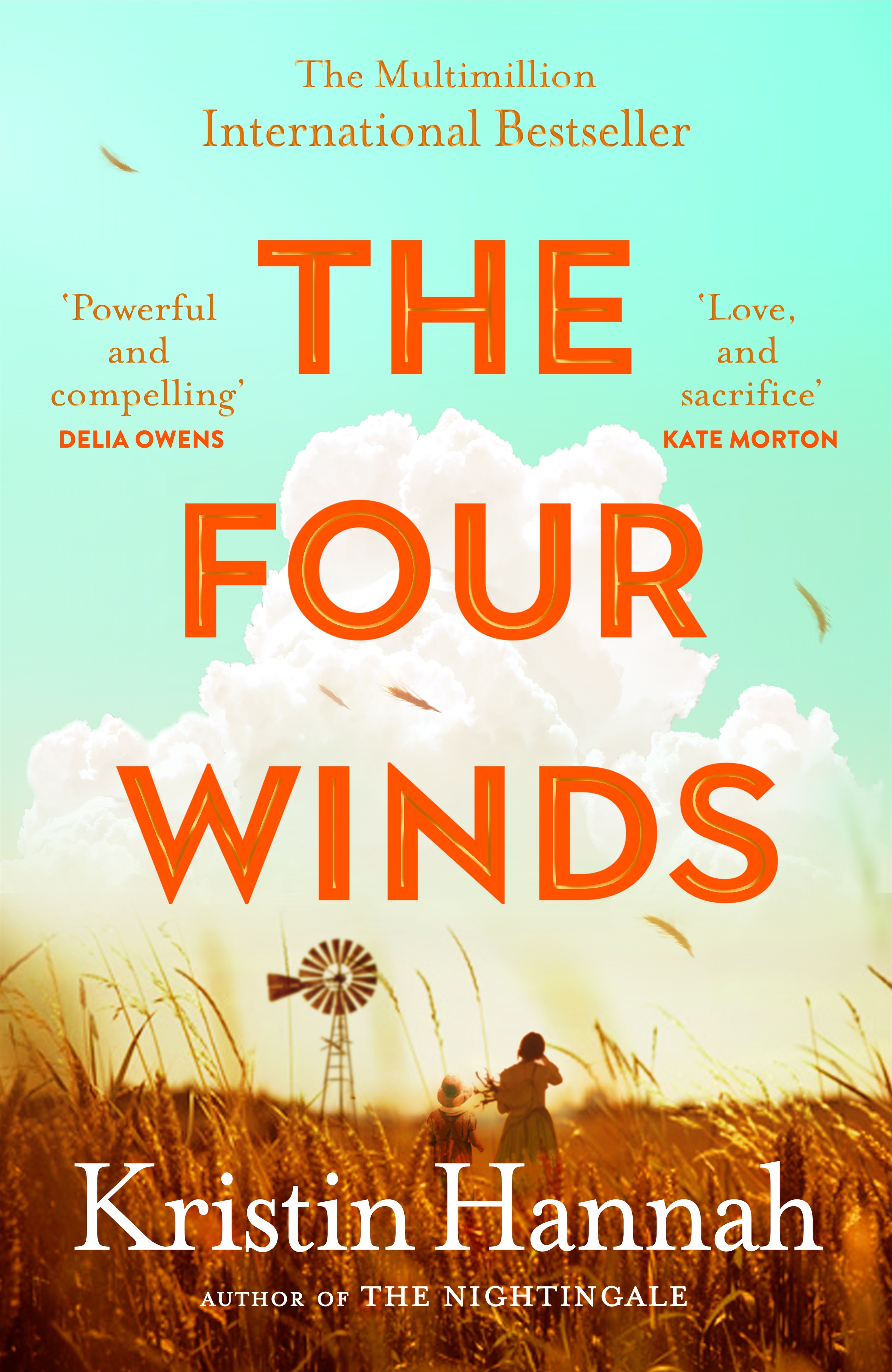
In the 1920s and ’30s the Great Plains of the central United States were turned into a dustbowl. Years of drought and exploitative farming practices turned the once lush, green and fertile land into a gritty, soul destroying place stripped of its topsoil and all hope. This is the story of one woman and her determination to hold her family together amidst this harrowing backdrop.
Elsa Woolcott had lived a wealthy, sheltered and privileged life, an early childhood illness meant that she was seen as frail and destined to stay in the care of her parents. But a chance encounter with a handsome, young Italian man saw her suddenly married, a mother and daughter-in-law, and living a life she could never had imagined. Hard, physical work, on a farm that over the years goes from prosperous to barely subsistence level amidst swirling clouds of dirt and grit. While this is an era defining time in American history, it is endlessly, and unrelentingly bleak. What must she do to ensure her family survives?
Nothing about this book rang true with me. Elsa’s encounter with her future husband seems rushed and frankly unbelievable, no matter how naïve a character is made out to be. As her relationship with her husband and his family progresses, there is an opportunity for more character development, particularly when her children are testing their boundaries, but again they seem annoyances in the grander story line of the endless sand and misery. Even when Elsa packs up the family to seek a better life, and the story takes quite a different turn to address the plight of migrant workers, it seems too rushed, too uninteresting, and in the end, unsatisfying.
I really wanted to like this book, and the stoic characters that populate it, but I didn’t.
Reviewed by Lesley West



0 Comments