




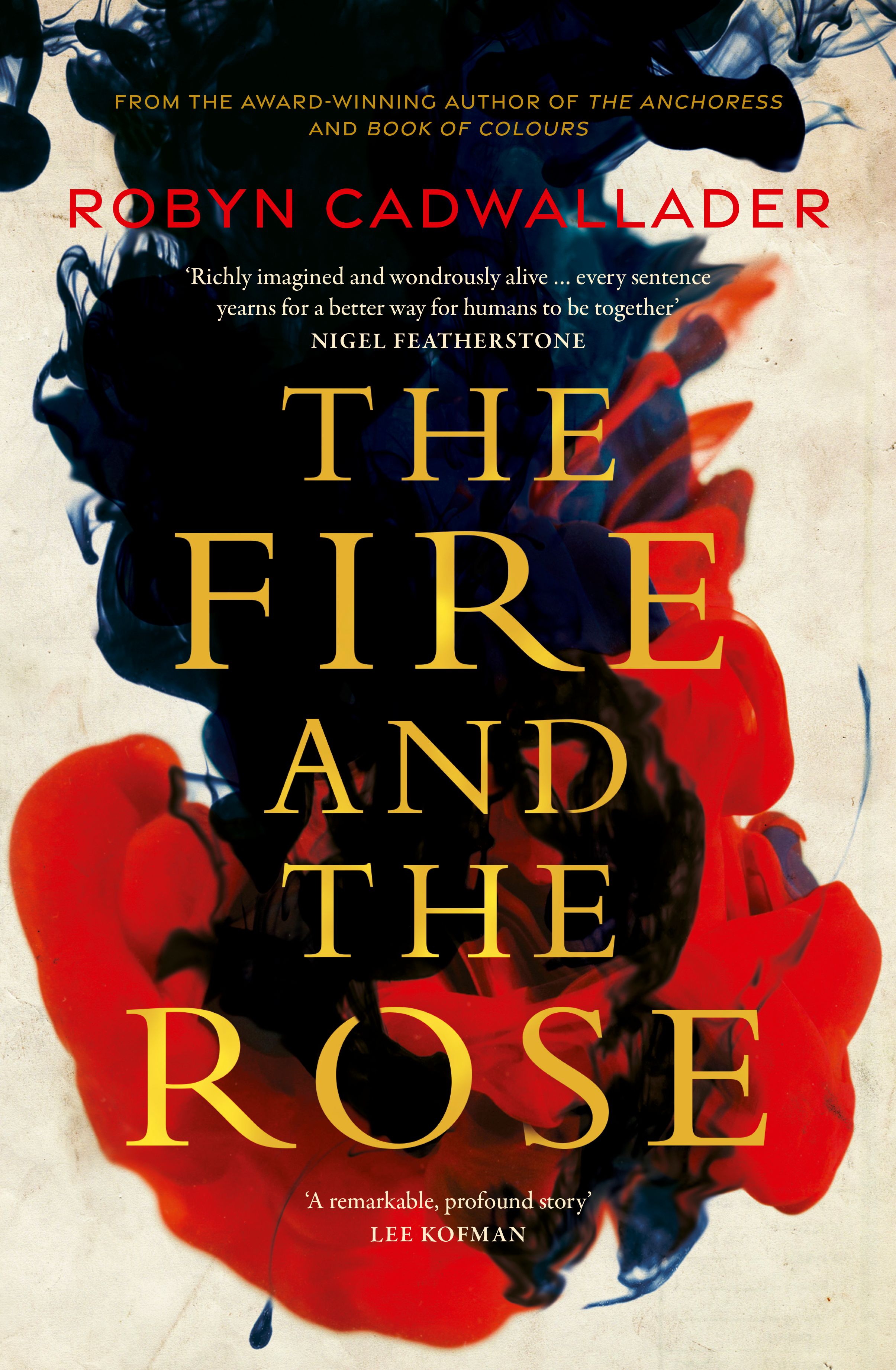
Finding love across a divide is a longstanding trope. In this novel, Eleanor, a 30-ish Christian woman in 13th century Lincoln, forms a relationship with Asher, who is part of the repressed Jewish community. (A little history is helpful: Jews became moneylenders as the (Catholic) Church forbade the practice for Christians. When it was politically expedient for King Edward I, Jews were then forbidden from the practice and subsequently expelled from England.) This narrative is set at the time between the prohibition against usury and the expulsion.
Eleanor works as a housemaid but with greater ambitions: she’s literate in English, French and Latin and wants to work as a scribe (historically an exclusively male occupation). She first meets Asher at the shop where he’s working as a spicer. The frisson between them is immediate. Eleanor returns to the shop more for Asher than for spice. Despite the anti-Jewish sentiment (overtly expressed by Lincoln’s Christian community), their romance flourishes. A girl, Hannah, is born, but the couple cannot marry.
Beneath this love story is the story of the martyred death of Little Hugh – a child believed by the community to have been murdered by Jews. Eleanor finds piecemeal work as a scribe initially with Henry Baundenay and later (by emotional blackmail) with the Church. Her work with the Church uncovers a conspiracy against the city’s Jews.
Cadwallader inserts a poetic interlude between chapters, where the stones of the city walls ‘speak’ of what they see. This is clunky and does nothing to advance the narrative. That aside, The Fire and the Rose works well. It’s more than a love story: it’s a lesson in the power, politics and manipulation exerted by the Church.
Reviewed by Bob Moore



0 Comments