




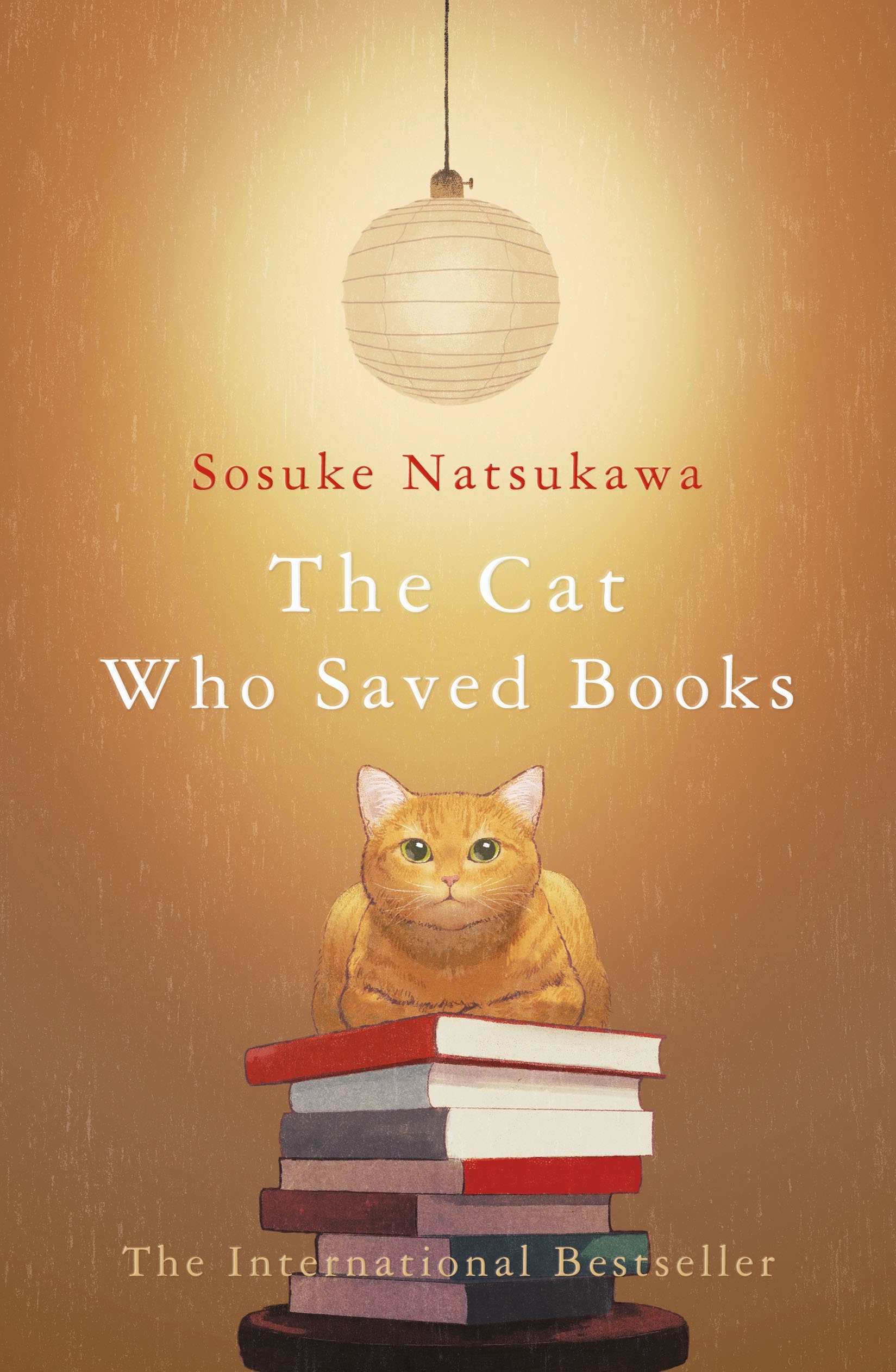
Translated from Japanese, The Cat Who Saved Books is a cleverly conceived fantasy is an interesting story about the power of words and importance of books. It’s unlikely heroes are a talking cat and a young, introverted boy who must draw on all his courage to resolve a series of challenges he encounters throughout the story.
The plot begins with the death of Rintaro Natsuki’s grandfather and the imminent closure of his business, a tiny second-hand bookshop located on the edge of town. Rintaro is devastated because the bookshop is his whole world and with its closure he will go to live with his aunt. One day, shortly after his grandfather’s death, he encounters a talking cat called Tiger who seeks his help to go on a mission to save books from people who have ‘imprisoned, mistreated, and betrayed’ them.
Although I did not find tremendous power in the storytelling of the fantastical journeys through the many labyrinths to save books, I did find many cultural aspects of this story fascinating, including the use of many Japanese terms and words. One of these, hikikomori, is used throughout the story to describe Rintaro and his reclusive nature. In Japan, it is a term referring to young men who consciously withdraw from society, rarely venturing out to school or work. The slow development of Rintaro’s character as he resolves challenges and develops friendships is also a heartwarming part of the story.
Reviewed by Karen Williams
ABOUT THE AUTHOR
 Sosuke Natsukawa is a doctor in Nagano, Japan. His first book Kamisama No Karute (‘God’s Medical Records’) won the Shogakukan Fiction Prize and received second prize at the Japan Bookseller Awards. It sold over 1.5 million copies and was adapted into a film in Japan.



0 Comments