


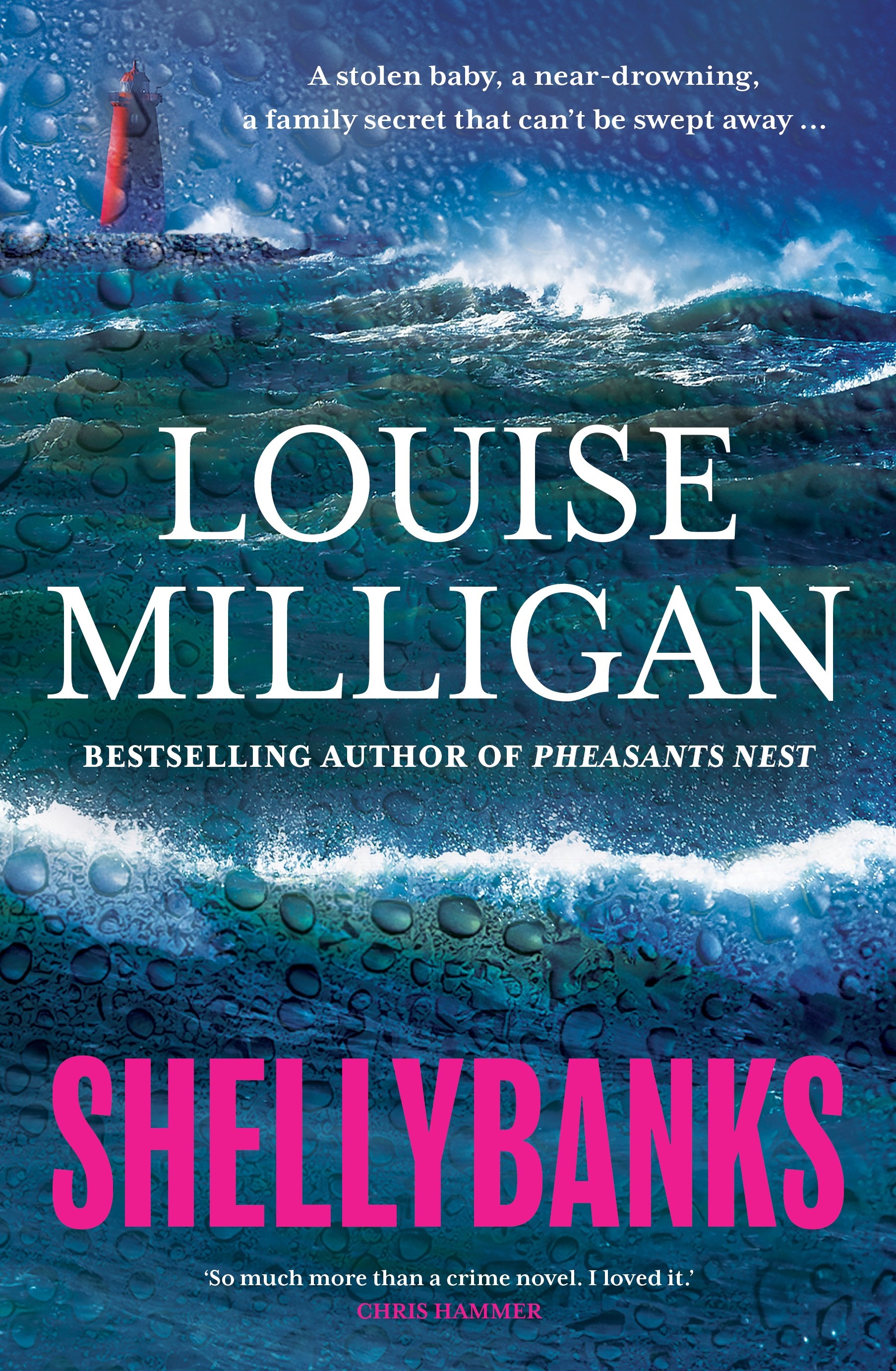
Kate is taking some time out, recovering from the trauma she experienced in Louise Milligan’s first novel, Pheasants Nest. She decides to visit her much-loved aunt, Dolores, in Ireland. What Kate and Dolores share is more than just family—they both have stories that need to be told. Kate’s is well-documented from her recent past, while Dolores’ has remained unspoken: her teenage years in a religious movement, the exploitation she suffered, and the profound shame and silence that shadowed her adulthood.
Kate’s determination to help her aunt seek the justice she never had is both formidable and heart-warming. Dolores’s courage in approaching the gardai to report her historical abuse opens the door to confronting the cruelty inflicted by those meant to be trusted most.
One of the highlights of Shellybanks is the rich, atmospheric descriptions of nature. Louise Milligan creates almost gothic scenes, placing readers vividly on the beach with Kate and Dolores: ‘A tiny crimson lighthouse sits at the end of a snaking sea wall.’ The bond between aunt and niece is deeply admirable and relatable. Readers will find themselves cheering for Dolores, wanting her to finally receive the justice she deserves.
You do not necessarily need to read Pheasants Nest to enjoy Shellybanks, though it provides snippets of Kate’s backstory. Completionists may still want to read the first novel to get the full picture.
Overall, this is a compelling read, one that resonates with the painful truths it reflects. Louise Milligan gives voice to those who have been silenced, offering their heart-breaking and devastating stories the attention they deserve.
Reviewed by Claire Stanley
Read our interview with Louise Milligan
ABOUT THE AUTHOR
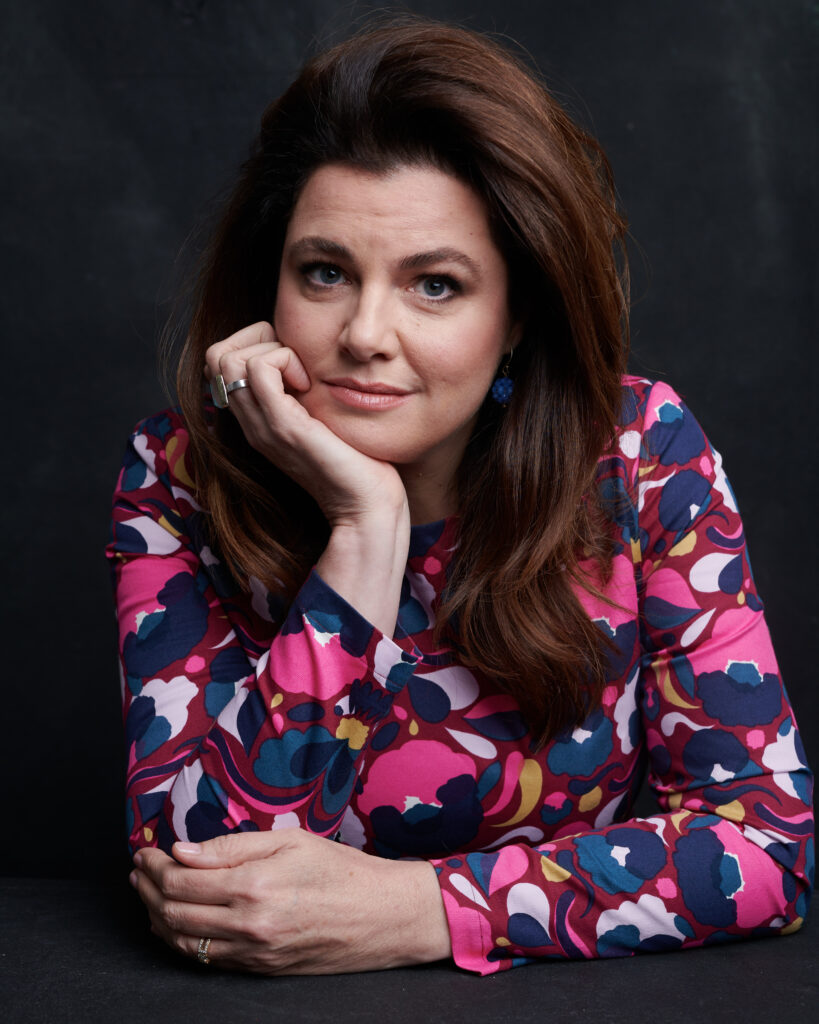 Louise Milligan is an investigative reporter for ABC TV’s Four Corners and the bestselling author of Cardinal, which won the Walkley Book Award and broke massive international news preceding the court case and successive and ultimately successful appeals involving one of the most senior members of the Catholic Church hierarchy.
Among many awards for her work, she’s also the recipient of the 2019 Press Freedom Medal.
0 Comments