


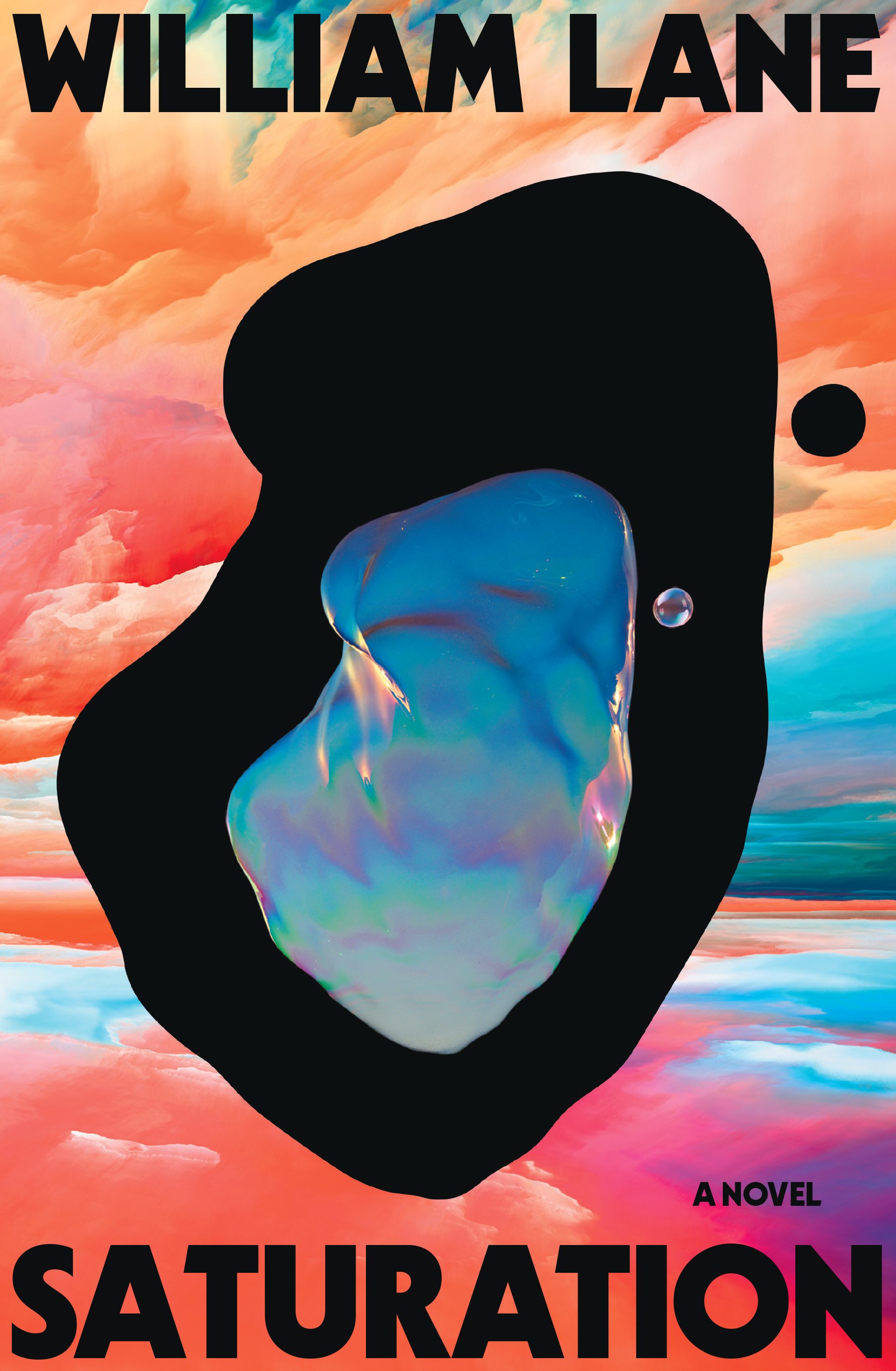
Ursula and Ambrose are anachronisms: both are librarians living in a dystopian world intent on deleting the records of the past while they’re tasked with preserving them. This world – in the not-too-distant future – seems bereft of children. Ursula wants her own child; her partner, Ambrose, says he’s keen, but Ursula believes he’s lying. The idea of bringing a child into that type of world, where the future is decidedly uncertain, is fraught.
This future dystopia is exceedingly wet. There’s a sense that the world has survived a climate catastrophe. Water pools around the city and librarians try to keep books as dry as possible. The population themselves are also saturated by messages from the controlling body: sent via Yoremind (not a typo). By following the suggestions given in the messages, each person garners points, allowing benefits to the compliant ones. Violence and death appear ubiquitous. Ursula does eventually deliver a son, Van, but soon must raise him on her own as Ambrose is set upon by a mob under the control of Bottrel, the charismatic authoritarian leader. Bottrel is opposed by Leo, one of the few surviving children.
The underlying premise of Saturation is impressive, signalling a fight between forces of conspiracy-theory ‘science’ (Bottrel) and the humanities (Leo). The writing of it, however, lacks emotion, leaving the narrative feeling flat, and the dialogue sounding clunky. Despite this, the fight which Ursula, Ambrose and, in his adolescence, Van wage for the preservation of books is a righteously worthy one.
Reviewed by Bob Moore
 ABOUT THE AUTHOR
 ABOUT THE AUTHOR
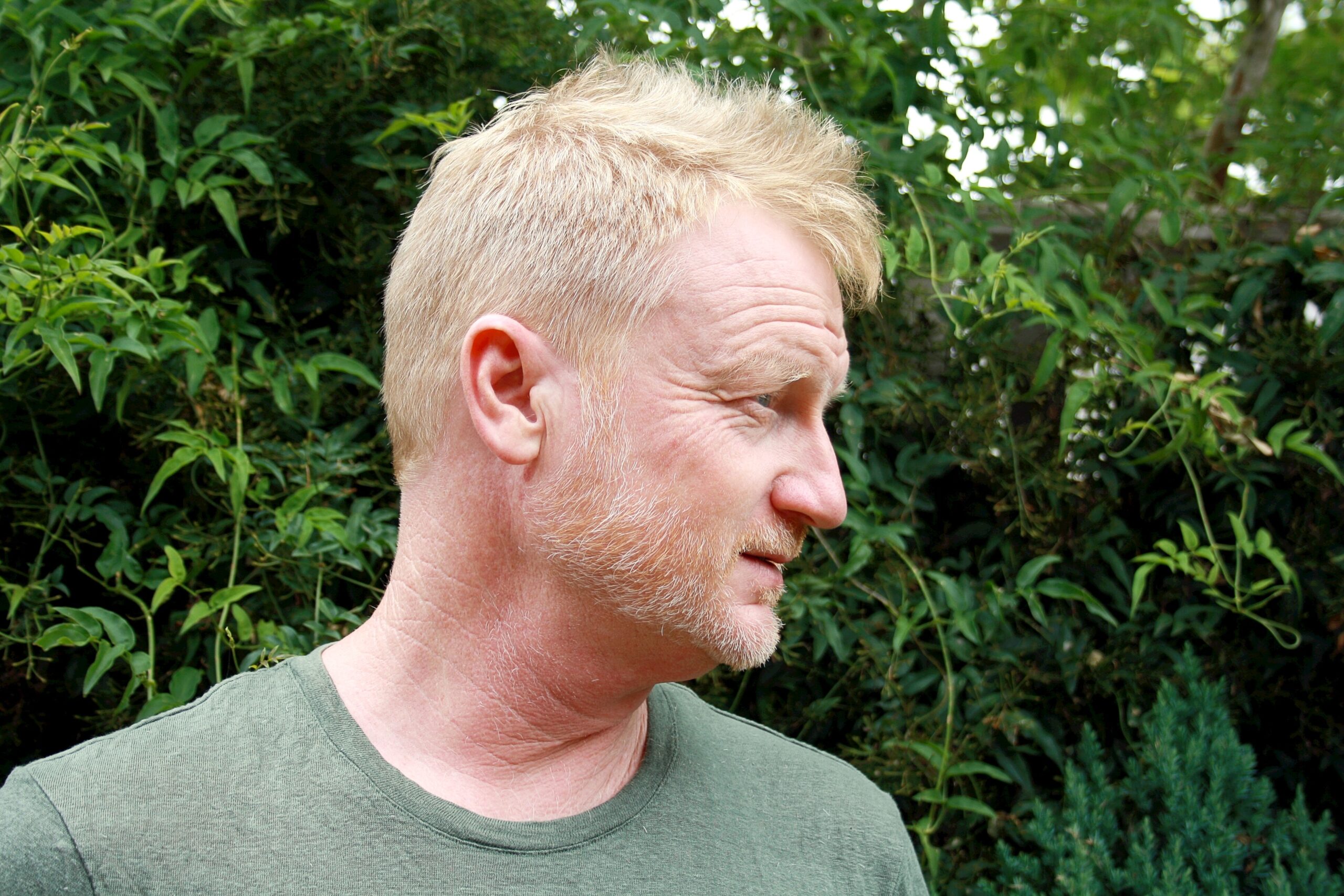
William Lane lives in a quiet, rural corner of the Hunter Valley, NSW, Australia. He shares his life with his librarian partner and his three teenage children. When he is not writing, he loves to read, play vinyl records or make up songs while looking out his window at the Brokenback Range. He has been a teacher, business manager and academic.
After completing an Honours degree in Australian literature, he completed a doctorate on the Australian writer Christina Stead and has had several critical articles on Stead published in literary journals. He is the author of five other novels published by Transit Lounge: Over the Water (2014), The Horses (2015), The Salamanders (2016), The Word (2018) and Past Life (2021). His short story collection, Small Forest, was a finalist in the inaugural Carmel Bird Digital Literary Award and was published online in 2018.

0 Comments