


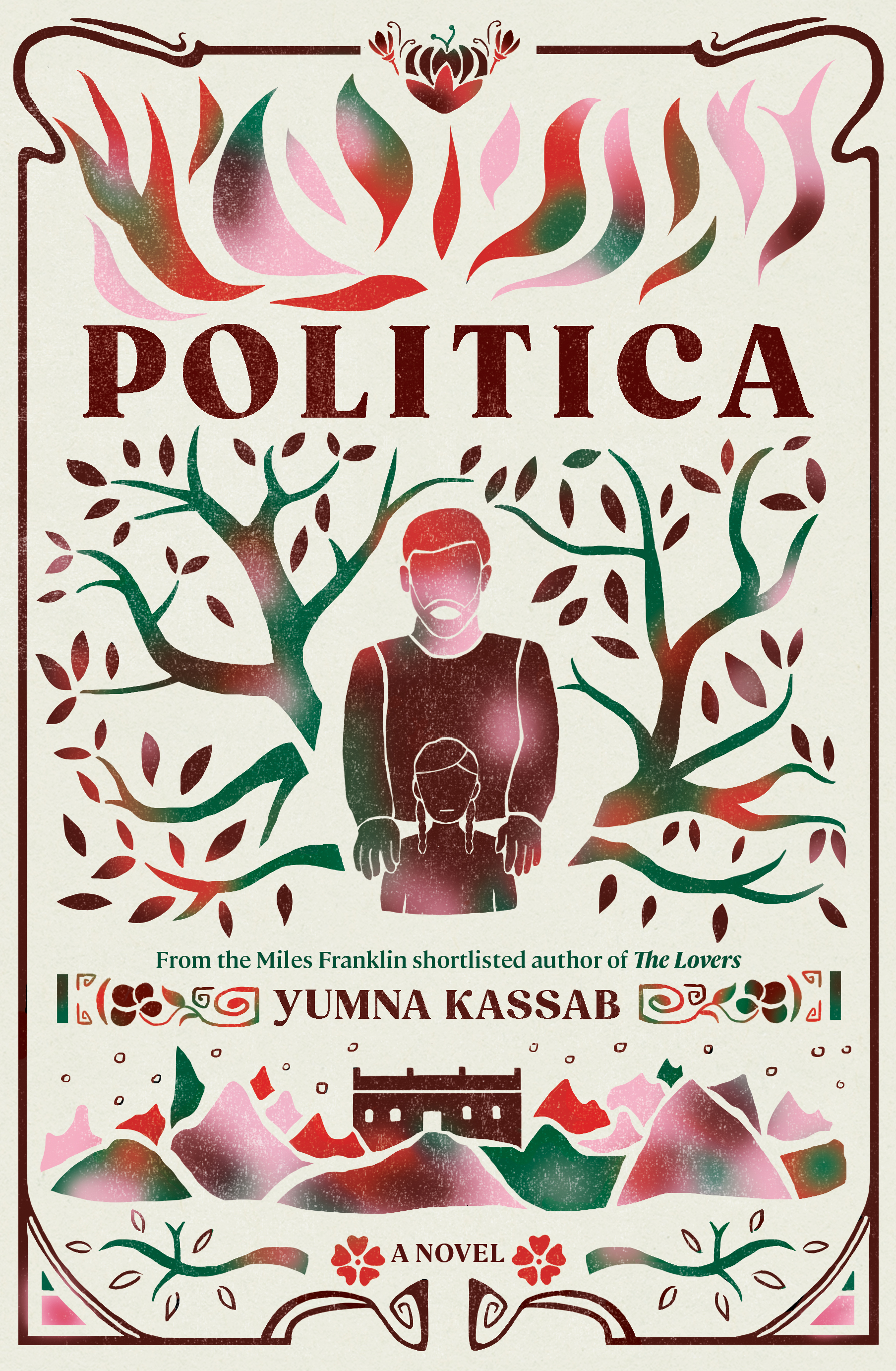
In an unnamed village, in an unnamed country, war ravages the populace. Possibly the author intended this anonymity to signify that war could devastate any region, however, with Arabic Muslim characters, it’s impossible to separate this narrative from all that has happened – and continues to happen – in the Middle East. The book is divided into five parts, with each section further divided into short, sharp chapters. This gives the book a disjointed feel, matching the disruption and dislocation prevalent in the community. This is a country first occupied by the Turks, then the French, and is now battling with itself and its neighbours, trying to forge its own identity.
The first part, ‘Jamal’, follows the character Jamal, who listens to, but does not heed, his father’s advice. Jamal can’t see the point in continuing at school when the future is tied to the war. The titular part concerns a father and daughter whose political activism marks them as leaders – and targets. The daughter, Yasmeen, is named after a flower, in contrast to her hardness and the savagery of war. ‘The Well’ concerns voices from a ‘presence’ in the village’s well, which knows the villagers’ secrets. This section doesn’t work as well as the others. Salma, in the section, ‘1973’ is dissociated from reality due to the mental trauma the fighting has caused.
There are a multitude of names. Some recur, but keeping track isn’t easy. Politica is a novel of sadness and futility, of loss and hopelessness, where even dreams are fruitless, and God is deaf. It isn’t a happy book. It’s a novel about identity and dislocation. It has a wonderful premise but doesn’t quite fulfill its promise.
Reviewed by Bob Moore
Read a book review of THE LOVERS BY Yumna Kassab
Read a book review of AUSTRALIANA by Yumna Kassab
ABOUT THE AUTHOR
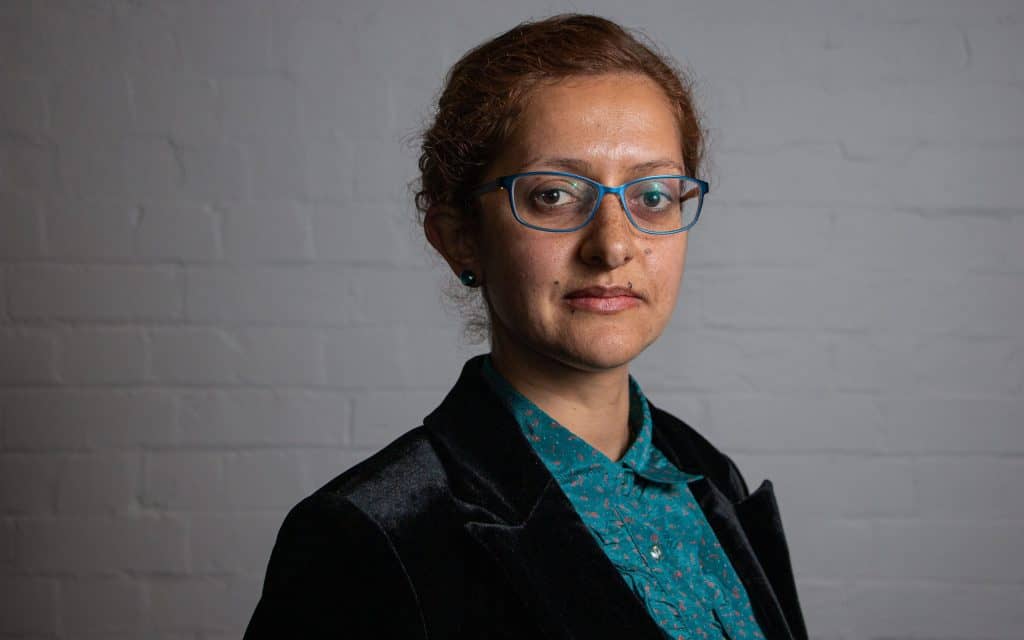 Yumna Kassab is a writer from Western Sydney. She studied medical science and neuroscience at university. Her fiction has been listed for prizes including the Victorian Premier’s Literary Awards, the Queensland Literary Awards, the NSW Premier’s Literary Awards and The Stella Prize.
0 Comments