



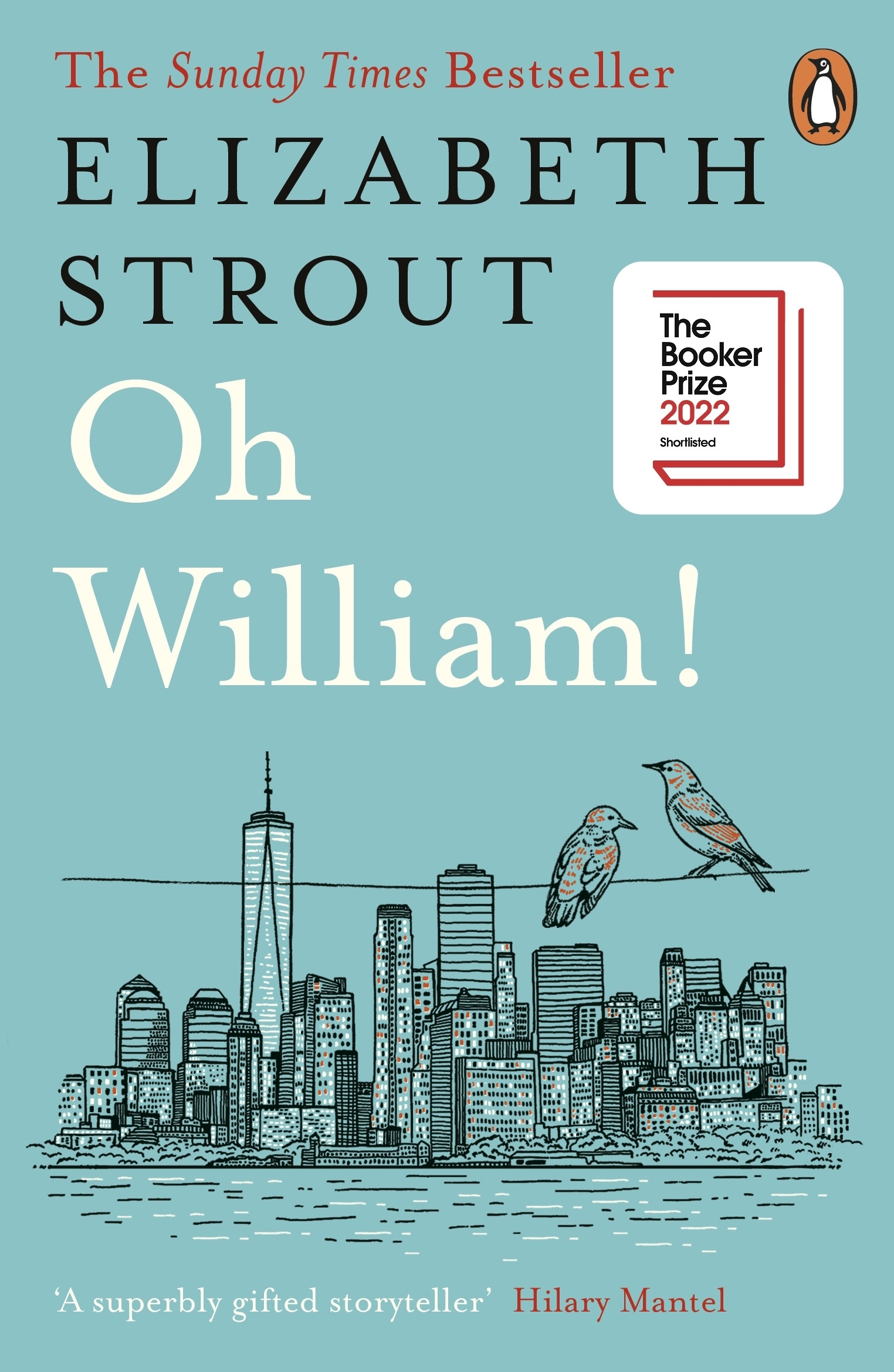
This novel is the third featuring Lucy Barton and concentrates on her life as she reaches her early 60s. Lucy, a successful author, narrates for us in her singular voice: intelligent yet vulnerable, continually searching for meaning in a random, capricious world.
Lucy’s second husband, David, has died in the last year and grief overwhelms her. Her first husband, the titular and philandering William, to whom Lucy was married for 20 years, seeks her counsel. He’s 69 as the novel begins and has started suffering night terrors. They feature his mother, his father and his own death. He’s married to his third wife, Estelle, and has a 10-year-old daughter, Bridget, along with the two older daughters from his marriage to Lucy.
As William turns 70, Estelle gives him access to an ancestry database to trace his family: his mother married a German World War II POW, but little else is known. When the website informs William he has a sister, he initially thinks it’s a scam, but eventually travels with Lucy to track her down.
Lucy and William are older now and the distance covered since their divorce allows space for reflection, dissection and honesty, both with themselves and with each other. The title tells us everything we need to know about Lucy’s relationship with William. The exclamation has equal parts of love, empathy and frustration. Lucy wonders just what it was that made them attracted to each other in the first place.
Oh William is the story of failed marriages, renewed friendship and the unravelling of past family secrets. Olive Kitteridge and Lucy Barton are two of the most memorable female characters in contemporary fiction. Strout’s skills are unsurpassed.
Reviewed by Bob Moore
ABOUT THE AUTHOR
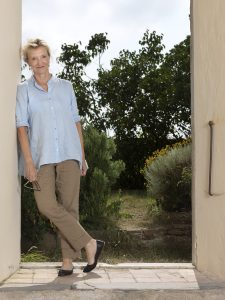 Elizabeth Strout was born in Portland, Maine, and grew up in small towns in Maine and New Hampshire. From a young age she was drawn to writing things down, keeping notebooks that recorded the quotidian details of her days. She was also drawn to books, and spent hours of her youth in the local library lingering among the stacks of fiction.
During the summer months of her childhood she played outdoors, either with her brother, or, more often, alone, and this is where she developed her deep and abiding love of the physical world: the seaweed covered rocks along the coast of Maine, and the woods of New Hampshire with its hidden wildflowers.
During her adolescent years, Strout continued writing avidly, having conceived of herself as a writer from early on. She read biographies of writers, and was already studying – on her own – the way American writers, in particular, told their stories. Poetry was something she read and memorized; by the age of sixteen was sending out stories to magazines. Her first story was published when she was twenty-six.
Strout attended Bates College, graduating with a degree in English in 1977. Two years later, she went to Syracuse University College of Law, where she received a law degree along with a Certificate in Gerontology.
She worked briefly for Legal Services, before moving to New York City, where she became an adjunct in the English Department of Borough of Manhattan Community College. By this time she was publishing more stories in literary magazines and Redbook and Seventeen.
Juggling the needs that came with raising a family and her teaching schedule, she found a few hours each day to work on her writing.


0 Comments