



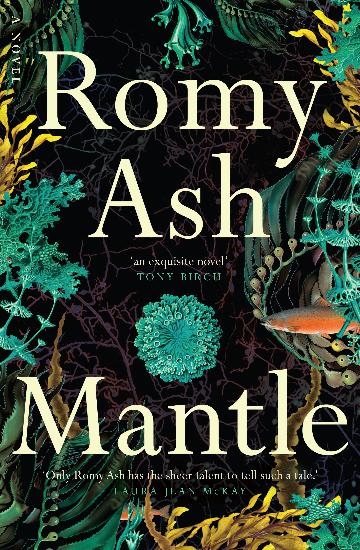
While some writers have set novels within the COVID pandemic, Ash is one step ahead. This superb novel suggests what the next pandemic may look like. The isolation of the lockdowns is emphasised here by setting the novel in rural Tasmania/lutruwita, next to the ocean and the controversial salmon farms.
Ursula, the narrator, is a geologist who has travelled back home to be with her dying mum, Delores. The two have little in common: Ursula is a bookish academic; Delores is practical and handy. Delores’ nurse, Raina, and neighbours, Jocelyn and Archie, know her far better than Ursula. Ursula has already suffered loss, with the hinted deaths of her father and sister. When Delores dies, Ursula is unmoored – not just by grief, but by the sudden appearance of a bumpy rash which refuses to heal. She takes comfort with a diver, Toby. They wake in bed and the rash has grown filaments which meshes the lovers together. They speculate a fungal disease, as the bumps begin to resemble mushrooms. Ursula is tempted to cook them. Toby is disgusted. The pandemic accelerates and the narrative begins to spiral, with Ursula wishing to destroy the salmon farms while she’s able.
The writing in Mantle is raw, uncensored, unapologetic and self-damning of the narrator. The narrative is structured in parts depicting the stages of twilight, and the inevitable descent into night, both literal and metaphoric. The title evokes various meanings but, in this context, refers to that which lies beneath the surface. In writing of the next pandemic, Ash perfectly captures the sense of isolation and loss, and the wreckage those affected will try to cling to. This is magnificent writing.
Reviewed by Bob Moore
ABOUT THE AUTHOR
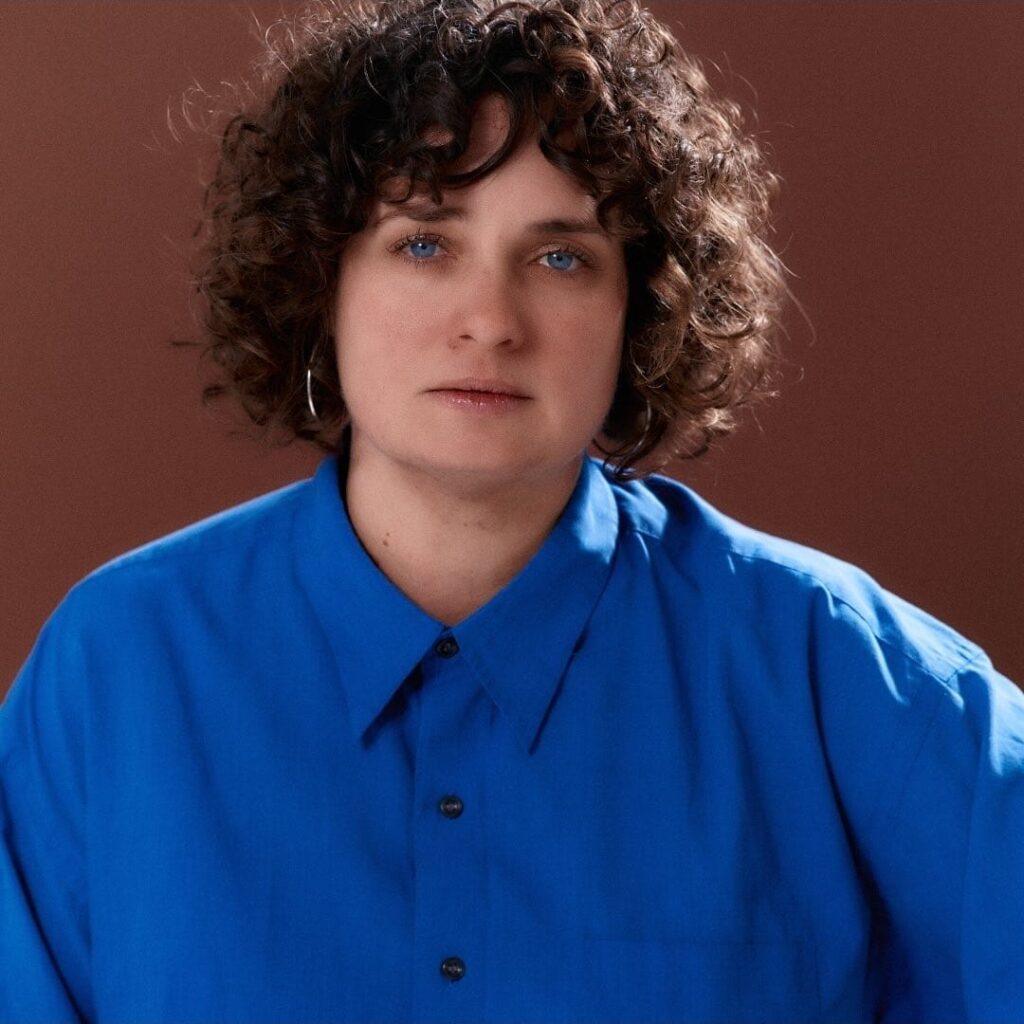 Romy Ash is the author of Floundering, which was shortlisted for the Miles Franklin, Commonwealth Book Prize and Prime Minister’s Literary Awards; and a children’s picture book called As Bright as a Rainbow. She was named one of Sydney Morning Herald’s Best Young Australian Novelists of the Year in 2013. Her work has been published in The Guardian, The Saturday Paper, Griffith Review, Meanjin, Best Australian Short Stories, Best Australian Essays, among others. She lives in Naarm/Melbourne with her family.



0 Comments