




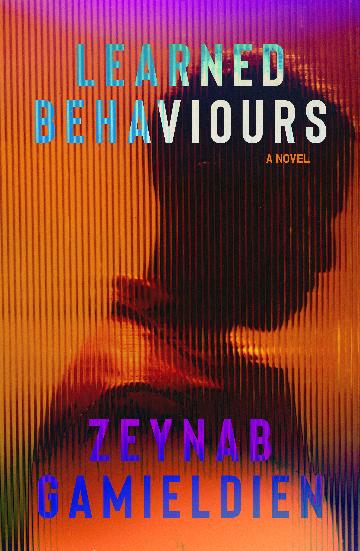
Zaid Saban grew up in the rougher parts of Western Sydney. Being a nerd made him few friends. The one friend he did make in high school was Hass. Many years later, while training to become a barrister, Zaid is contacted by Hass’s sister, Amira, wanting Zaid to revisit his fateful final year of high school, when Hass was charged with the murder of a female student, committing suicide before facing court.
Amira has found a journal written by Hass and believes it may contain evidence of his innocence. Amira wants Zaid’s help in deciphering it. Zaid has a law degree and money; he’s left that old life behind. He initially spurns Amira but eventually relents. Suspicion falls on a male teacher who devised a program for gifted students to which Zaid and Hass belonged. The teacher paid undue attention to the murdered female student.
The story weaves between present and past. Despite his career successes, Zaid realises he’s still an outsider. His colleagues are mostly private school educated. One of them, Emily, hints at romantic feelings, but Zaid despairs over how impossible it seems. A creek beside the school is integral to the narrative, and Gamieldien cleverly uses water along with Zaid’s inability to swim to illustrate his alienation from Australia’s supposed cultural identity. In opening old wounds, Zaid must confront his own culpability in Hass’s arrest.
The novel has its flaws but masterfully questions whether we can ever truly leave our past behind.
Reviewed by Bob Moore
ABOUT THE AUTHOR
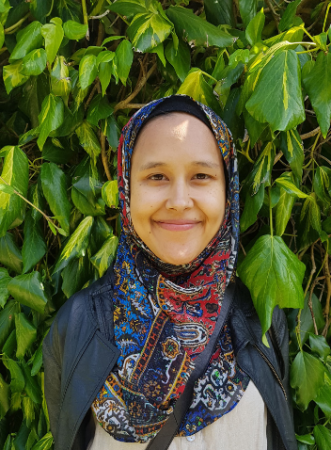
Zeynab Gamieldien is the inaugural winner of the 2022 Westwords/Ultimo Prize. Her work has been shortlisted for the Rachel Funari Prize for Fiction and featured in publications such as the Sydney Morning Herald’s Daily Life section and the Australian Muslim Times.
The Scope of Permissibility was her first novel.



0 Comments