




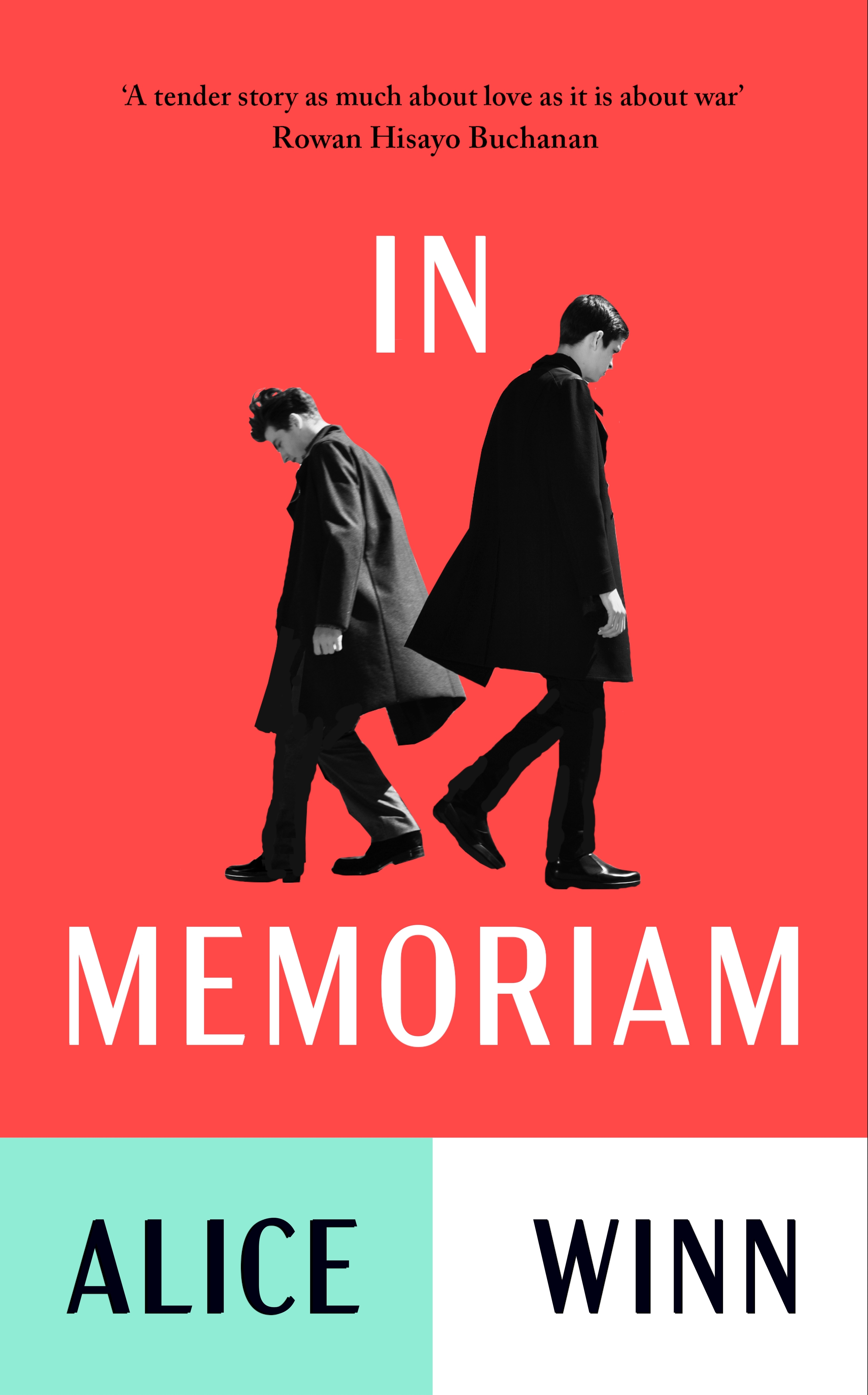
Henry Gaunt is a senior public school boy in the morbidly named Cemetery House at Preshute, a fictional school in England during World War I. He’s a living contradiction: a skilled boxer but also a pacifist. This characterisation is vital. The war has placed him in a conflicted position as his father is British and his mother is German. The war is not his immediate concern, however. He’s in love with Sidney Ellwood, a most handsome boy who recites poetry. Gaunt recites Thucydides. Ellwood also secretly loves Gaunt. Neither will admit their love for fear of it not being reciprocated.
All the boys read the honour roll of those killed or wounded in action each month. Gaunt has no intention of enlisting until his mother begs him to, in order to prove their ‘Britishness’. It’s only a matter of time before Ellwood joins him. Winn has crafted a staggering disparity between their school days and life in the trenches. Although it’s been only months, Gaunt, first a lieutenant then captain, seems to be decades older and battle-hardened. There is an initial coldness towards Ellwood. When they’re caught in an embrace by a senior officer, however, their lives will forever change.
Winn has used the narrative to highlight class, gender differences and discrimination based on sexuality. The characterisation of Gaunt’s sister, Maud, and the working-class officer, David Hayes, is utilised purposefully. Within the trenches, the gore, unimaginable losses and deprivation – and the camaraderie despite this – is covered with forthright honesty without descending into bathetic melodrama.
The stories of lovers together in battle are as old as Achilles and Patroclus, but few have been written with the eloquence of In Memoriam.
Reviewed by Bob Moore
Follow Alice Winn on Instagram
ABOUT THE AUTHOR
 Alice Winn grew up in Paris and was educated in the UK. She has a degree in English literature from Oxford University. She lives in Brooklyn.



0 Comments